


Designer and Illustrator Mark Stehrenberger
By David Rodríguez Sánchez
Images: Mark Stehrenberger
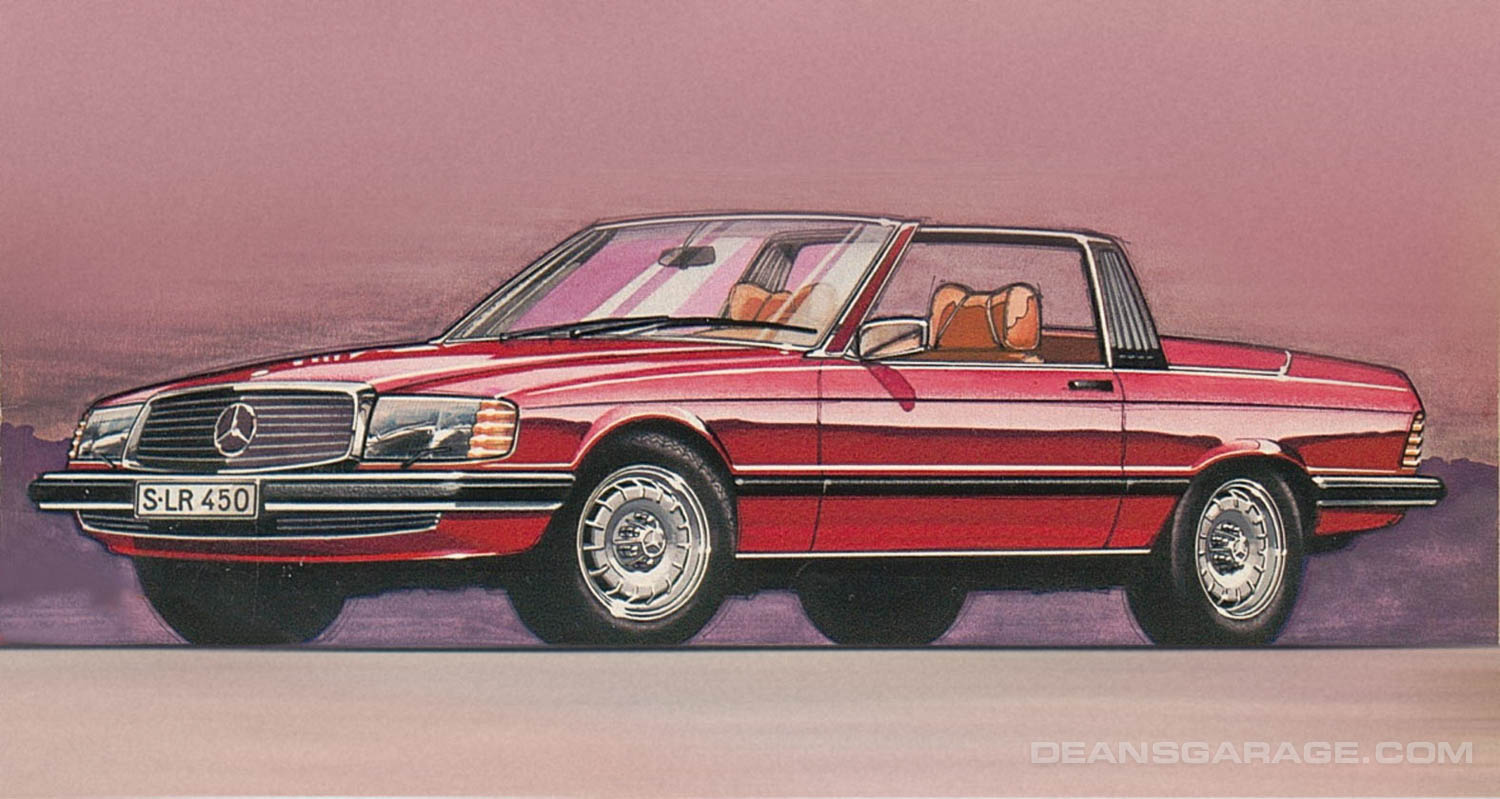
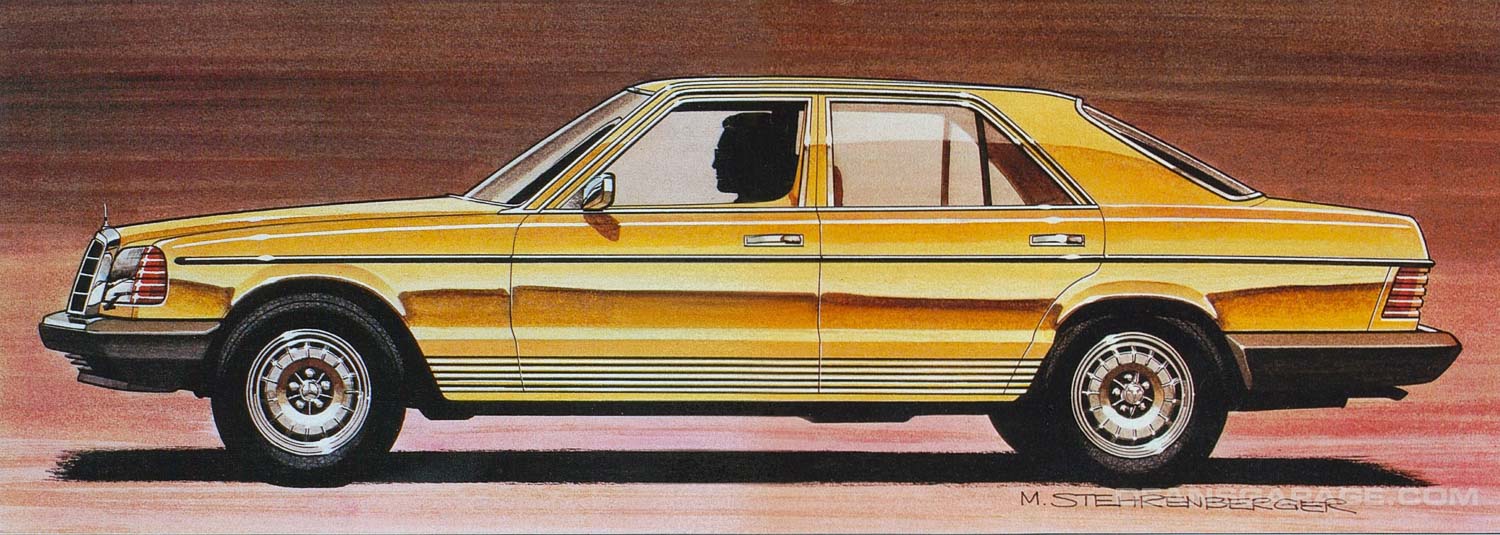
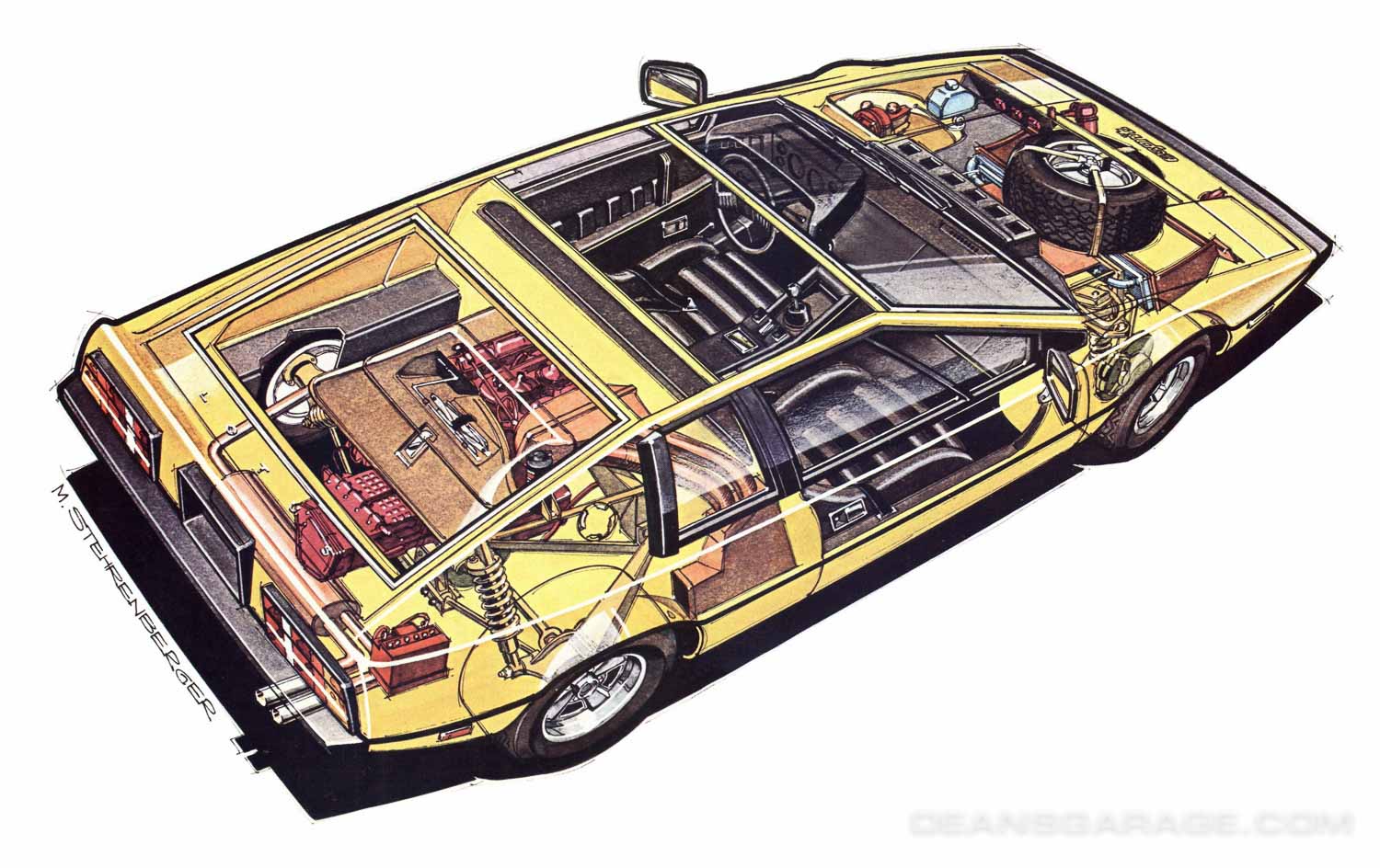
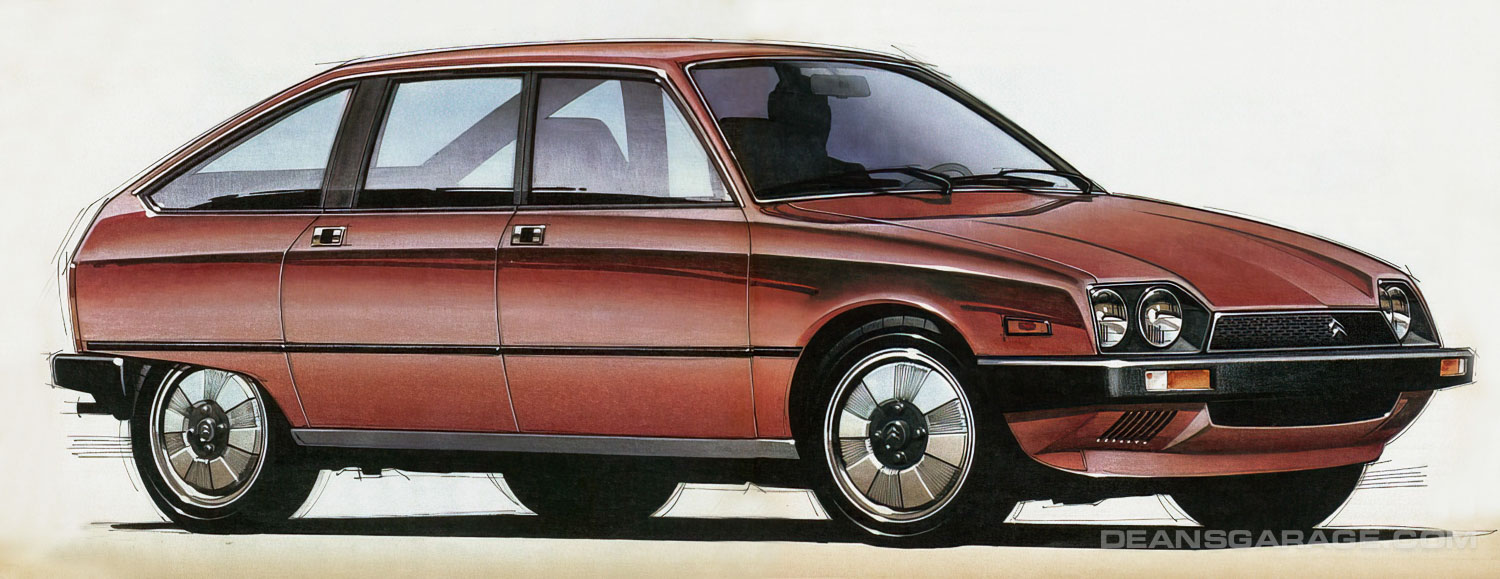
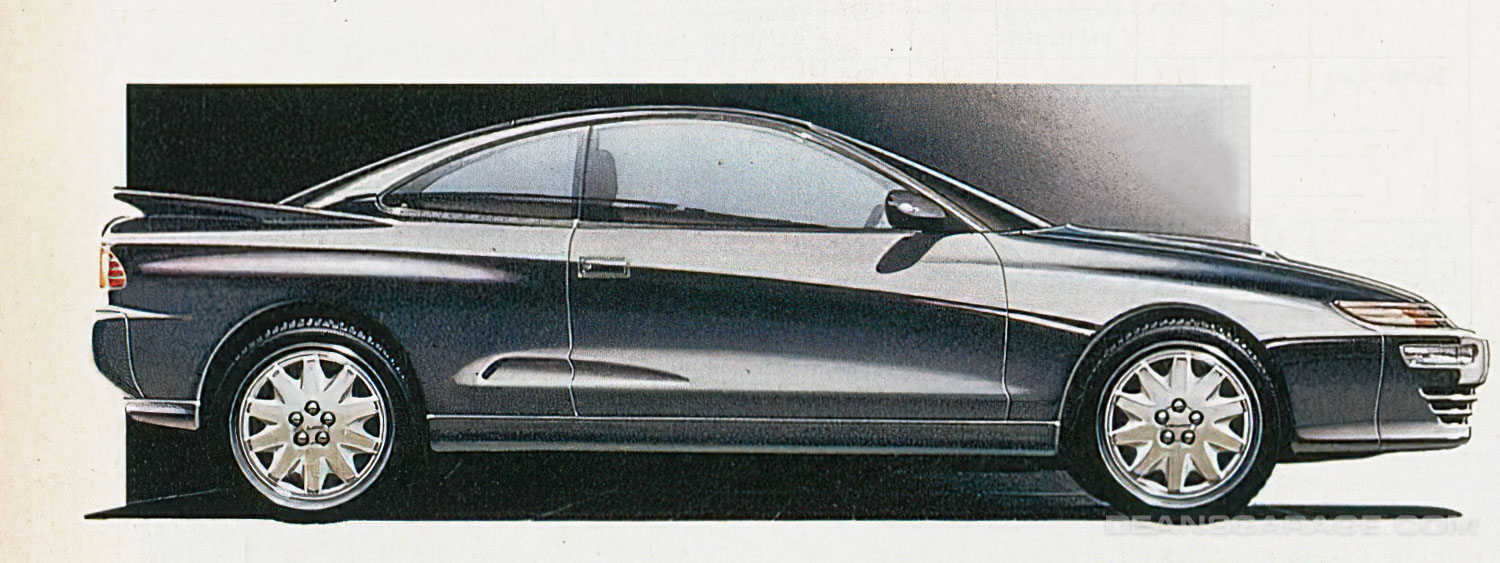
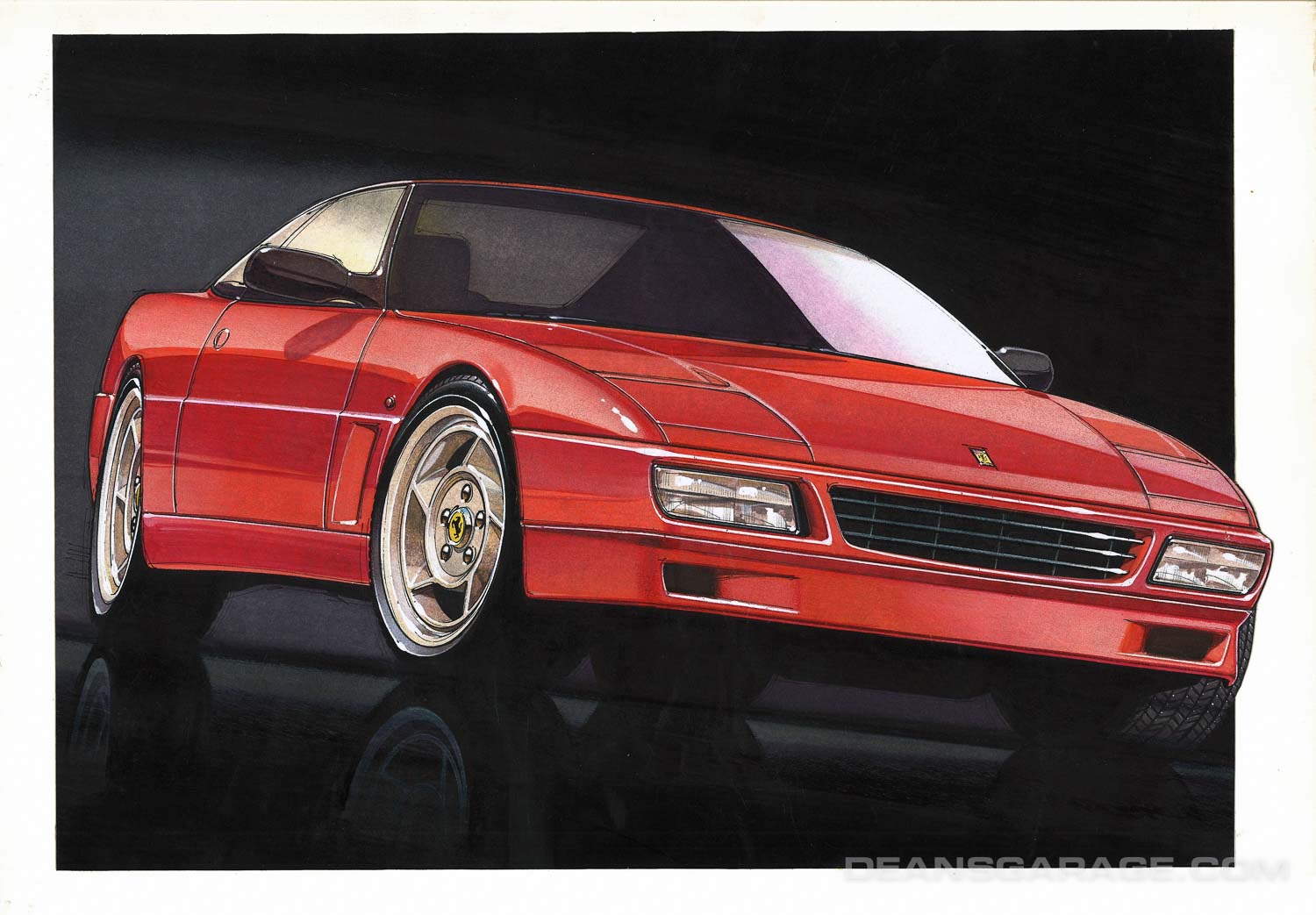
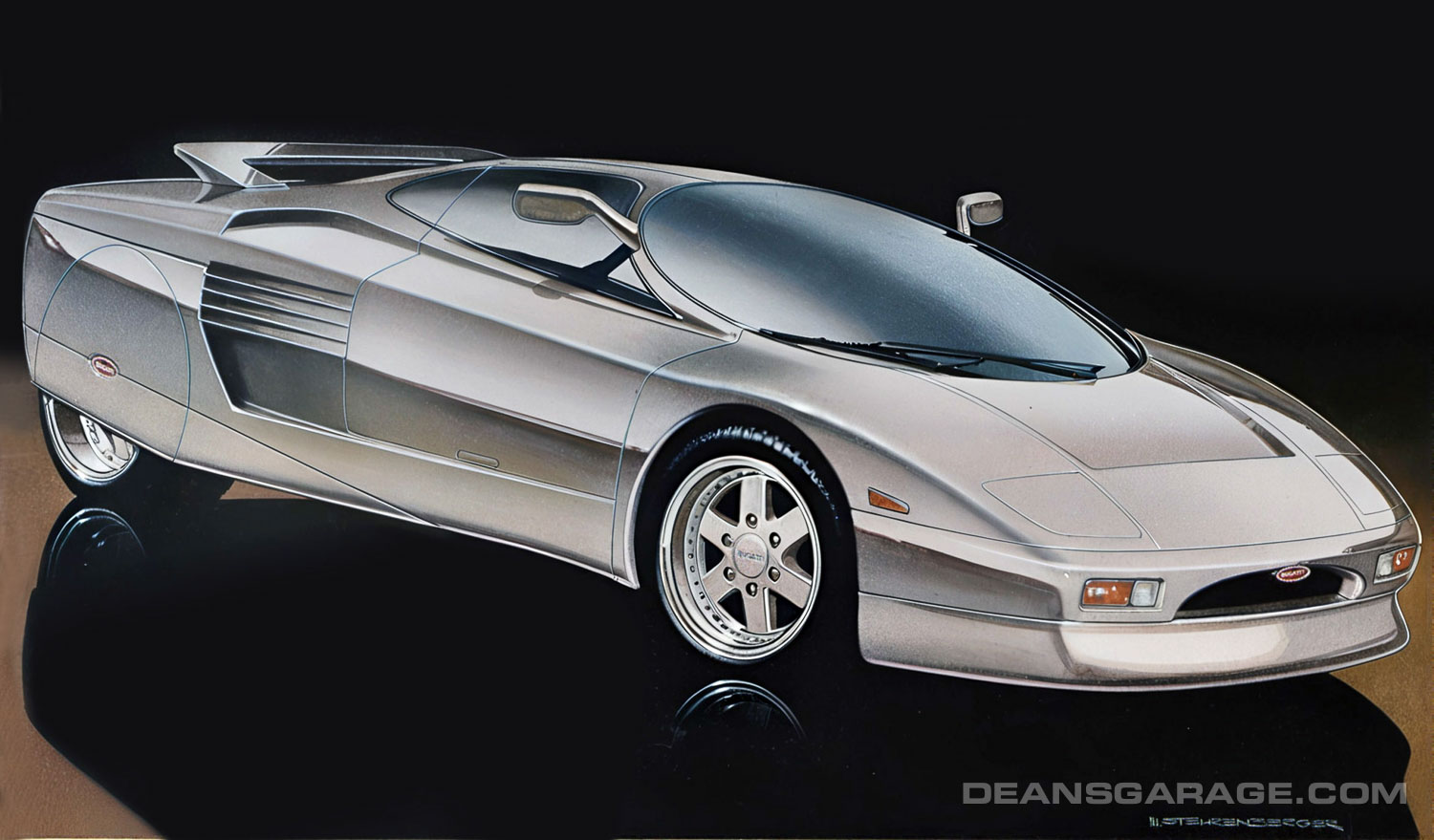
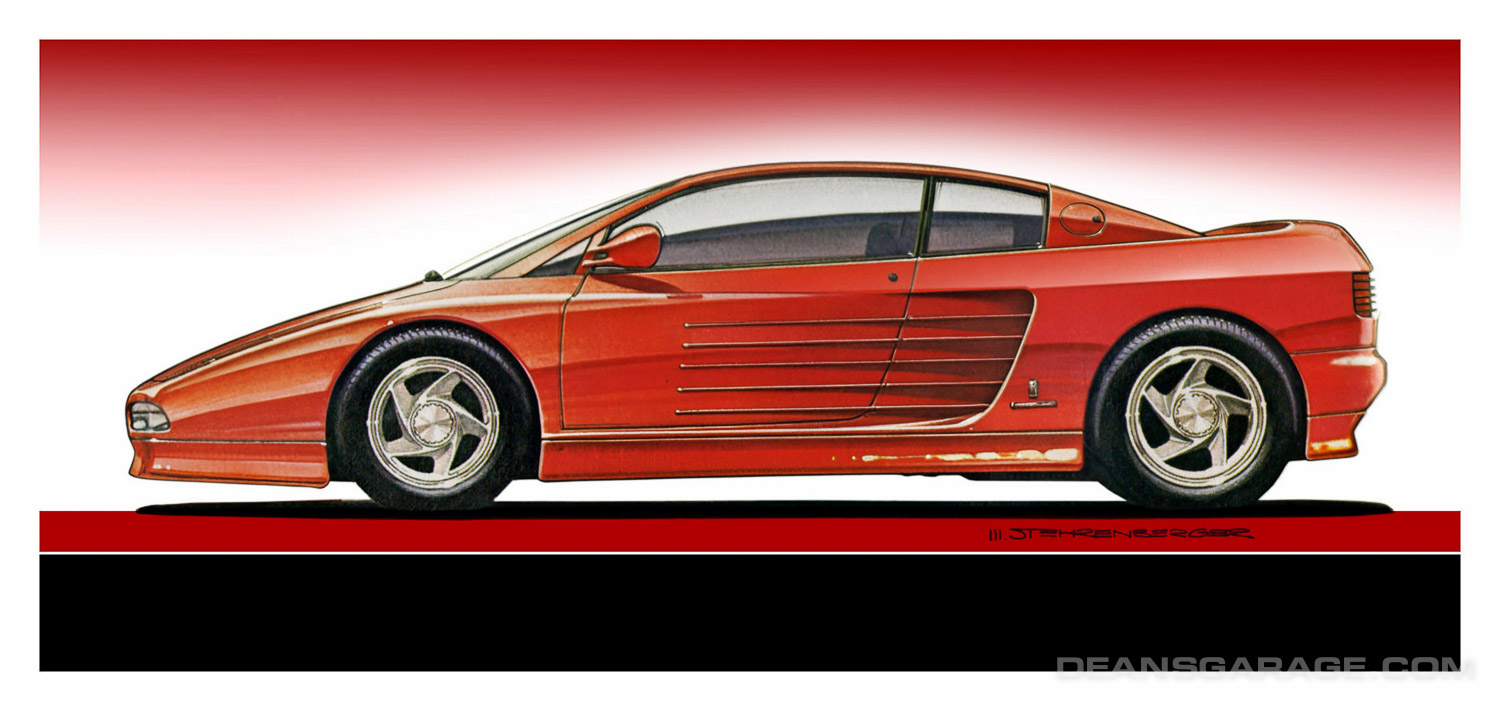
We associate Swiss-born, Americanized designer Mark Stehrenberger with full-color car magazine illustrations of concepts and soon to be released new models. His illustration style conveyed a sense of realism that gave the concepts credibility. Mark’s career also included product and car design, fashion design, teacher, industrial consultant, writer, and producer.
Born in Muttenz, Basel, in 1943 and raised on Swiss chocolate, Swiss cheese, and Basler Mehlsuppe, Mark Stehrenberger “was the youngest of six siblings: three girls, three boys. Oh boy, I must’ve looked ugly like a Basler Waggis at birth, for the doctor didn’t slap my buttock to get me going but slapped my Mom’s face, instead! The day I was born, my parents got me a little kitten, but because it was allergic to newborn babies, they wanted to give ME away. I also grew up with four Jewish orphans from France and Austria that Switzerland let in at the tail end of WWII and whom my parents opened our home to. During the war, with my dad—a faithful driver of American Ford cars—standing in uniform at the German border to defend Switzerland, my mother single-handedly ran our roofing business with a small crew. Thus, early in life I learned that women were equal to any man when it came to running a business. She was my hero! Already as a little ‘Chnopfli’ (little button) I could name most cars by the sound they made. During drawing lessons in high school (Realschule Muttenz, BL), instead of drawing the still life of fruits or autumn leaves, my teacher let me draw cars, as long as I drew some for him as well.”
It was pretty clear early on what Mark wanted to do once he got out of school. He dreamed of becoming a technical draftsman, but his father, himself a craftsman, didn’t consider drawing alone to be work. To become a car designer in Switzerland in the ’50s was next to impossible, an unrealizable dream unless he moved to Germany, France, or Italy. But a move was not an option.
“So I switched to Plan B: to become a fashion designer, my second passion.” But first, a 3-1/2 year apprenticeship in tailoring was necessary. “I was lucky to do it at one of the most exclusive fashion ateliers in Basel (Jean Lohmuller). At the same time, I attended Kunstgewerbeschule in that city and finished up with a diploma in tailoring in 1963. But my eyes were on those super-dooper American cars, with their tons of chrome grills and rocket fins to heaven, the Cadillac ’59 the best among the best. At that time, I considered selling my organs just to get my hands on one of those bathtub-on-wheels. Nothing that came out of America seemed to have been impossible to be built in those space-age days.”
The ’59 Caddy was the main reason why Mark became so passionate for automobiles, “why blood in my veins turned to gasoline, and why I emigrated to America in 1964. To me, Switzerland had become too small and narrow minded to breathe. I followed two of my siblings that left for the States for the same reason.”
In early 1965 Mark responded to an advertisement for a designer position in a lamp and chandelier factory. He was hired by a company that offered him specialized training from the ground up. Stehrenberger received professional inspiration. He designed lighting effects for decorative purposes.
“Arriving in California I spent several semesters studying industrial design at Art Center College of Design in Los Angeles.” After an adventurous 3-1/2 months honeymoon road trip across the U.S. and Canada aboard a Pontiac Grand Prix, Mark and his young wife (the first of three), also an immigrant with Taiwanese provenance, had only $25 to their name.
“Broke but full of new ideas and overcoming many big difficulties, I opened my own studio, Mark Stehrenberger Design, in 1969 from my home in Hollywood, designing consumer products and illustrating future car models for some U.S. car magazines.”
Mark knew how to leverage his existing contacts and tried to capitalize on his vast collection of car drawings by submitting them to American car magazines. They showed interest, but a year passed before the first publications appeared featuring his work. But then came a gradual breakthrough, allowing the young artist to gradually shift from lighting technology to car design. Commissions from car magazines increased noticeably. Swiss weekly Automobile Revue reported on Mark’s activities in November, 1973:
“Basel artist Mark P. Stehrenberger is trying to make modern interior design popular in the USA. To meet this demand, he not only designs perfectly shaped lighting fixtures and seating, but also classic wall and ceiling lamps, whose ornate decorations are still far more popular in the States than modern styling. Another area of expertise for the Los Angeles-based designer are drawings of new cars and his own designs for futuristic, city, delivery, and fantasy vehicles. Stehrenberger has developed a proprietary system for his car creations. They can be cut out of individual components from paper or lightweight cardboard (transparent film for the windows) and glued together. This provides the automotive industry with a new, effective advertising medium for young and old.” Some really nice, most imaginative, samples of his cardboard-built, much innovative, styling proposals illustrated the note.
This activity got the attention of the bosses at the car companies and gradually led to actual design work for some of them. Said by insider experts to be provided with a keen sense for possible future models, our protagonist kept quiet about the numerous informants who kept him up to date on the plans and intentions of the automotive industry.
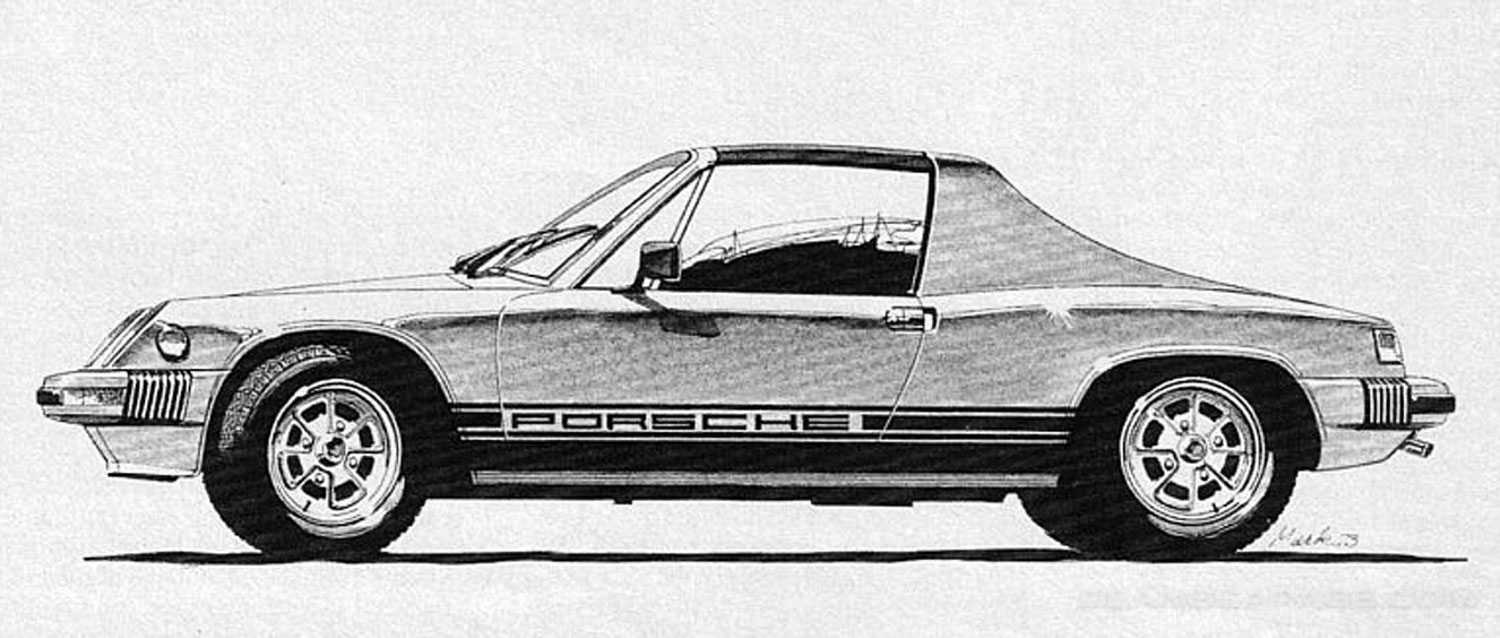
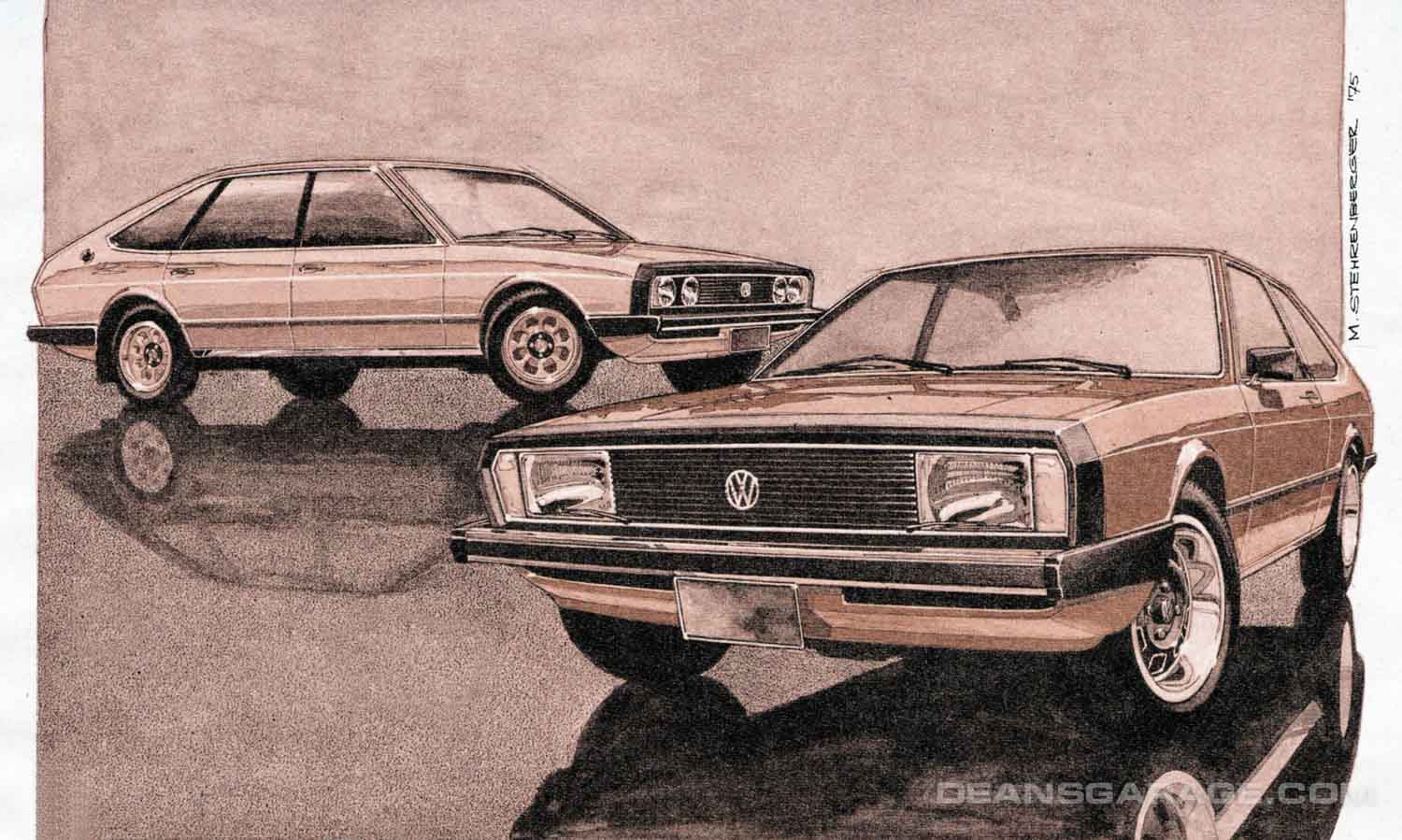
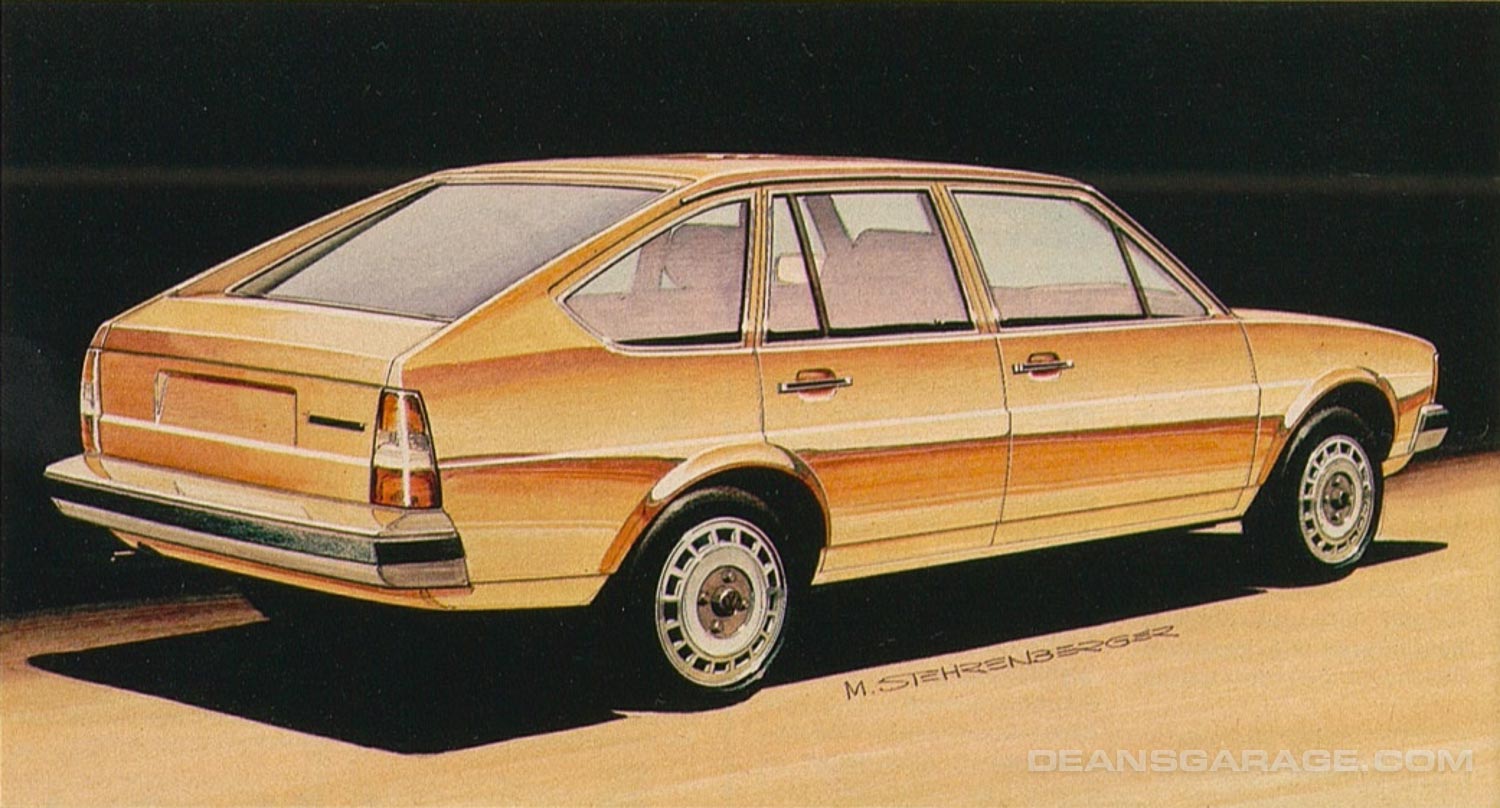
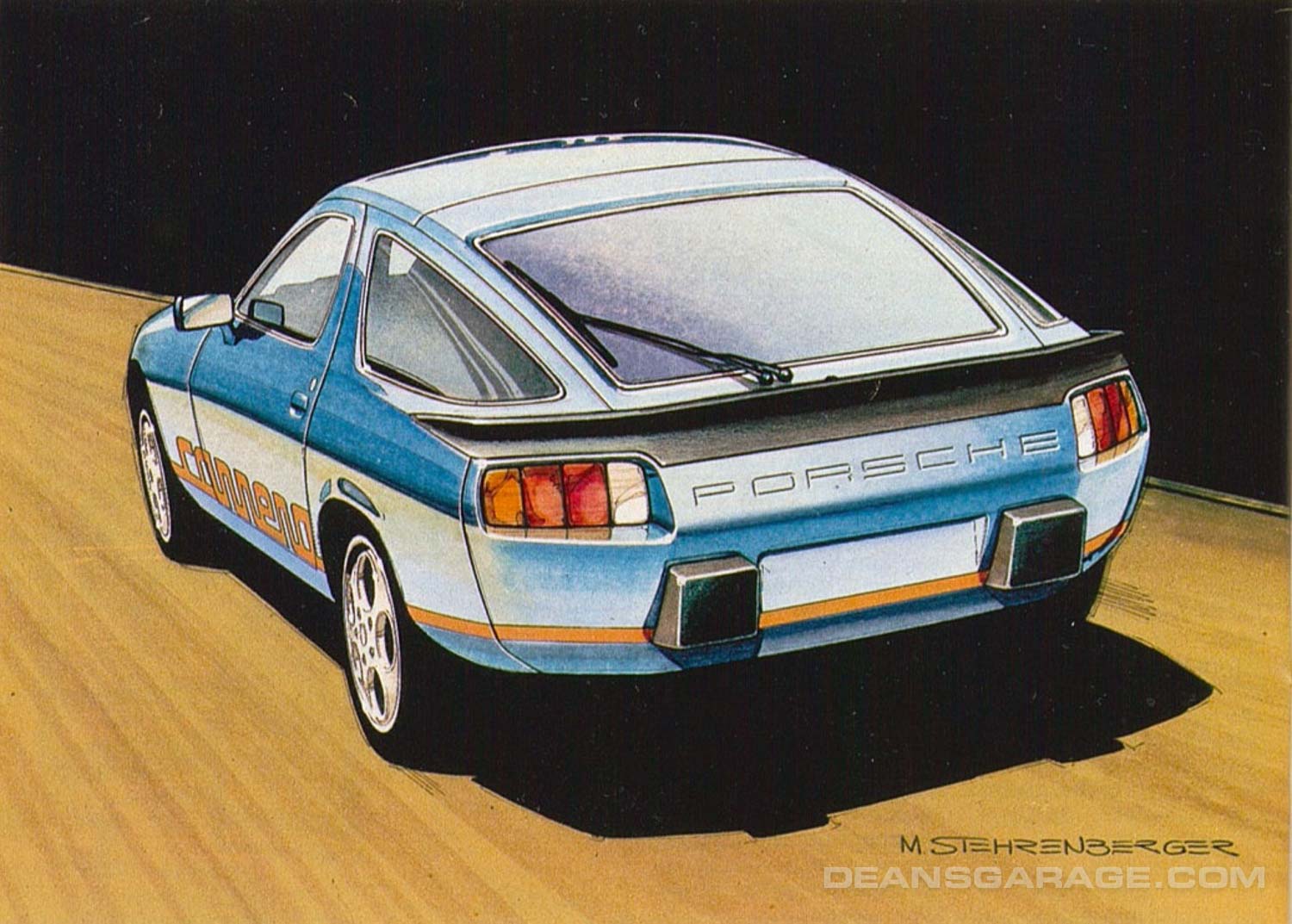
Still importing the Beetle, “Volkswagen USA was my first client. It was 1974.” Stehrenberger designed a ‘Sports Bug’ tailored to American tastes, with a special interior and attractive exterior styling. It was an instant success, firstly in California and soon throughout the USA. “Over time and much hard work, MSD got a prestigious international reputation. I got concrete orders from the U.S. import branches of Volvo, BMW, Saab, Porsche, and later Mazda and Toyota.”
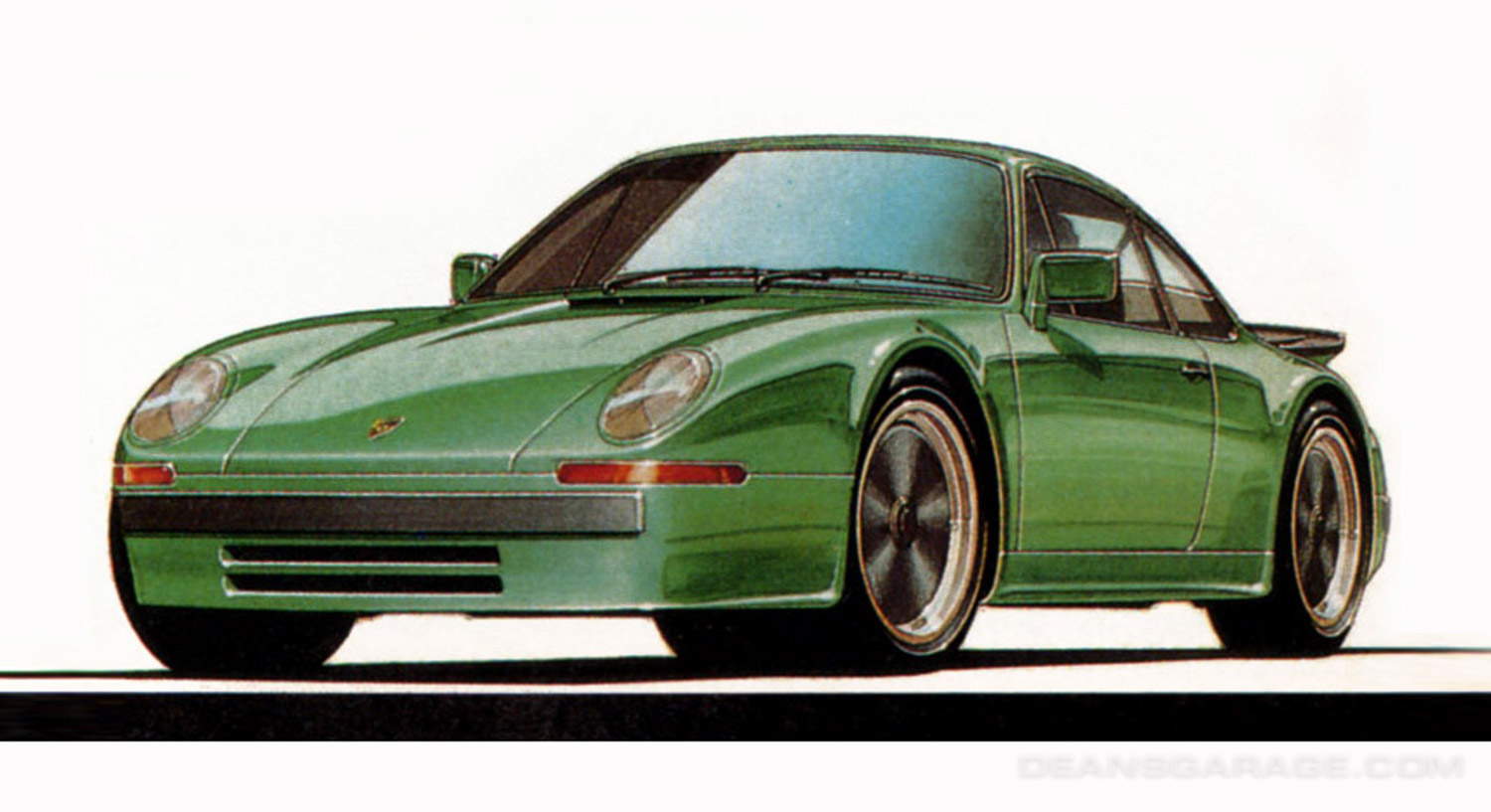
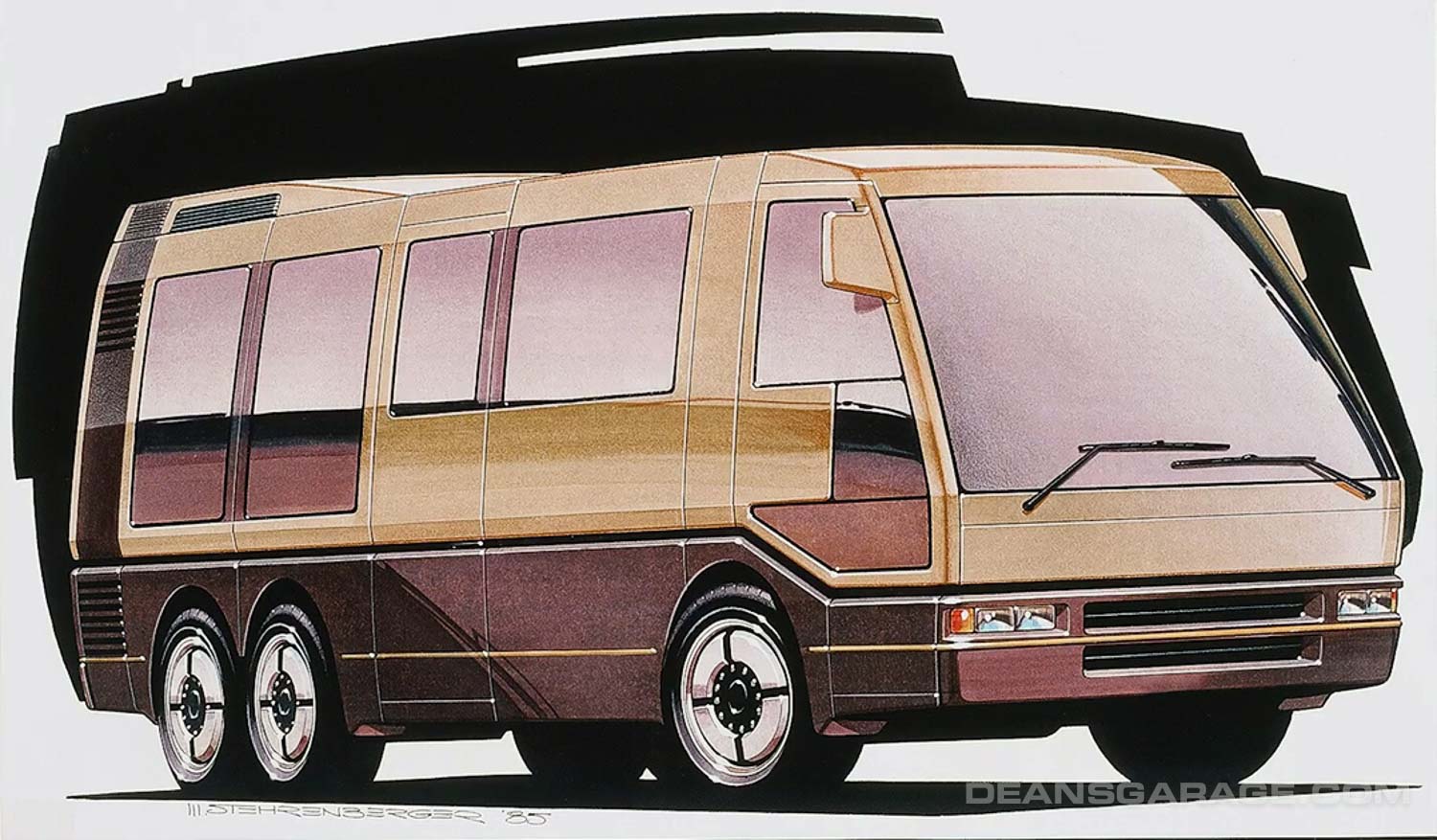
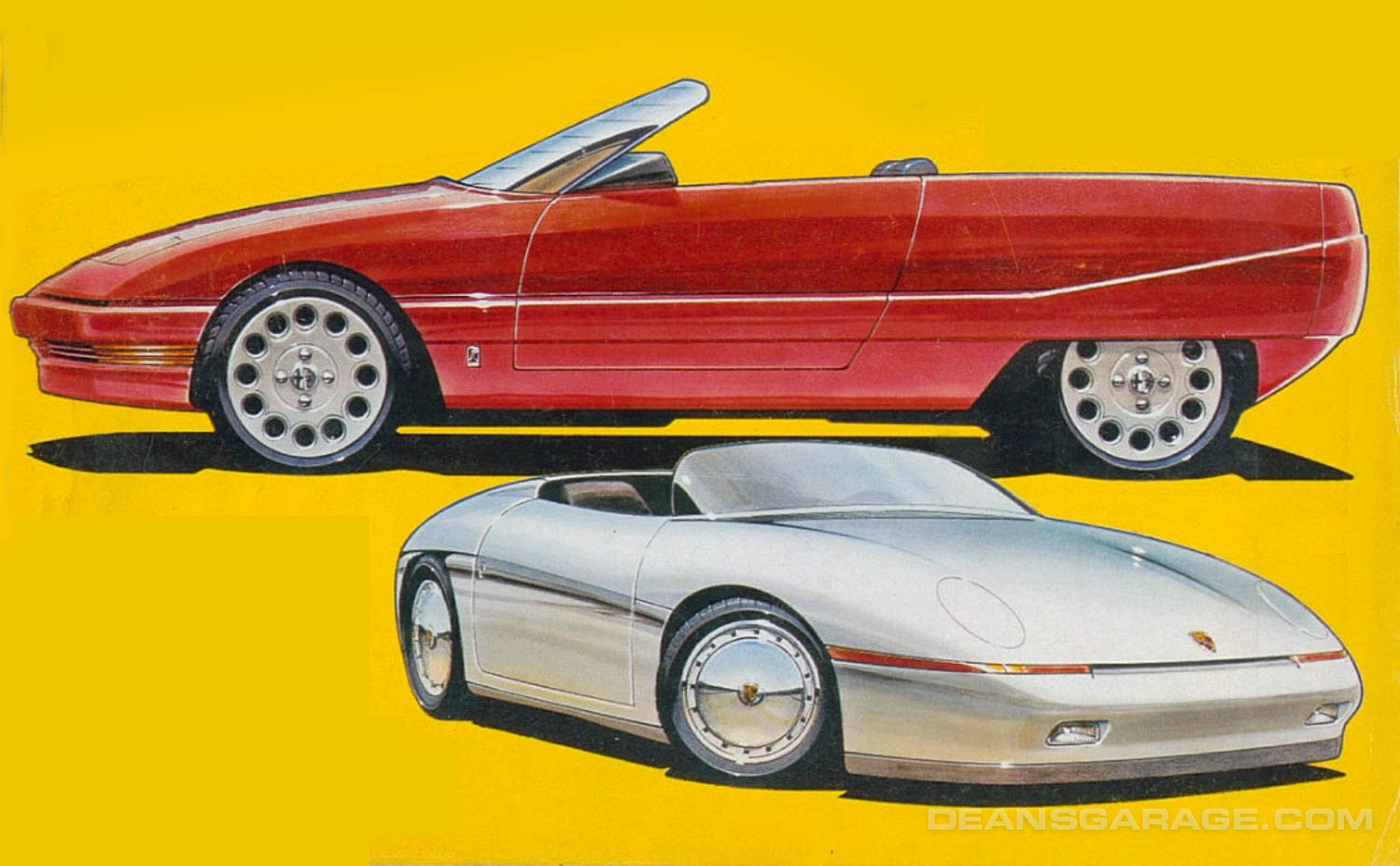
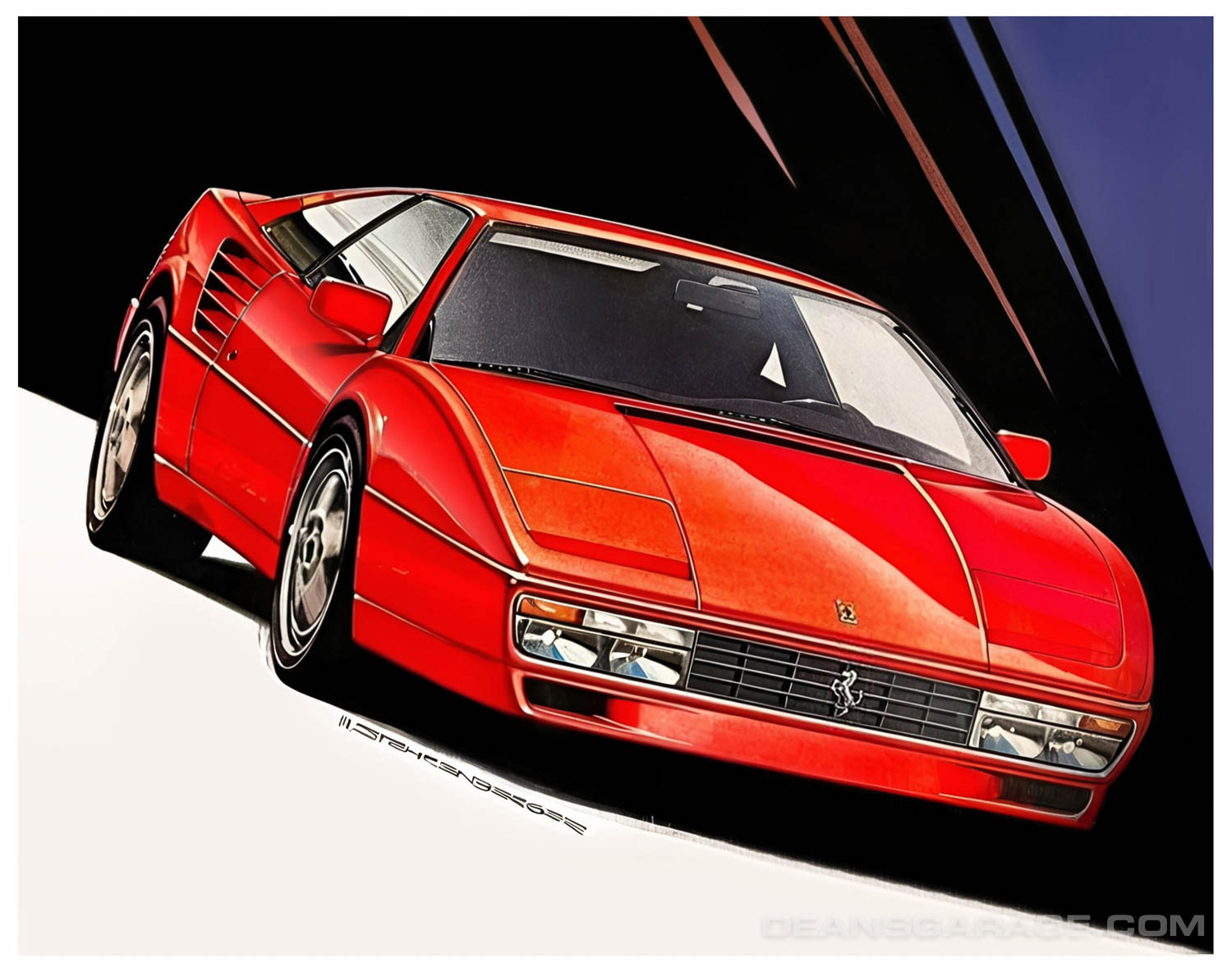
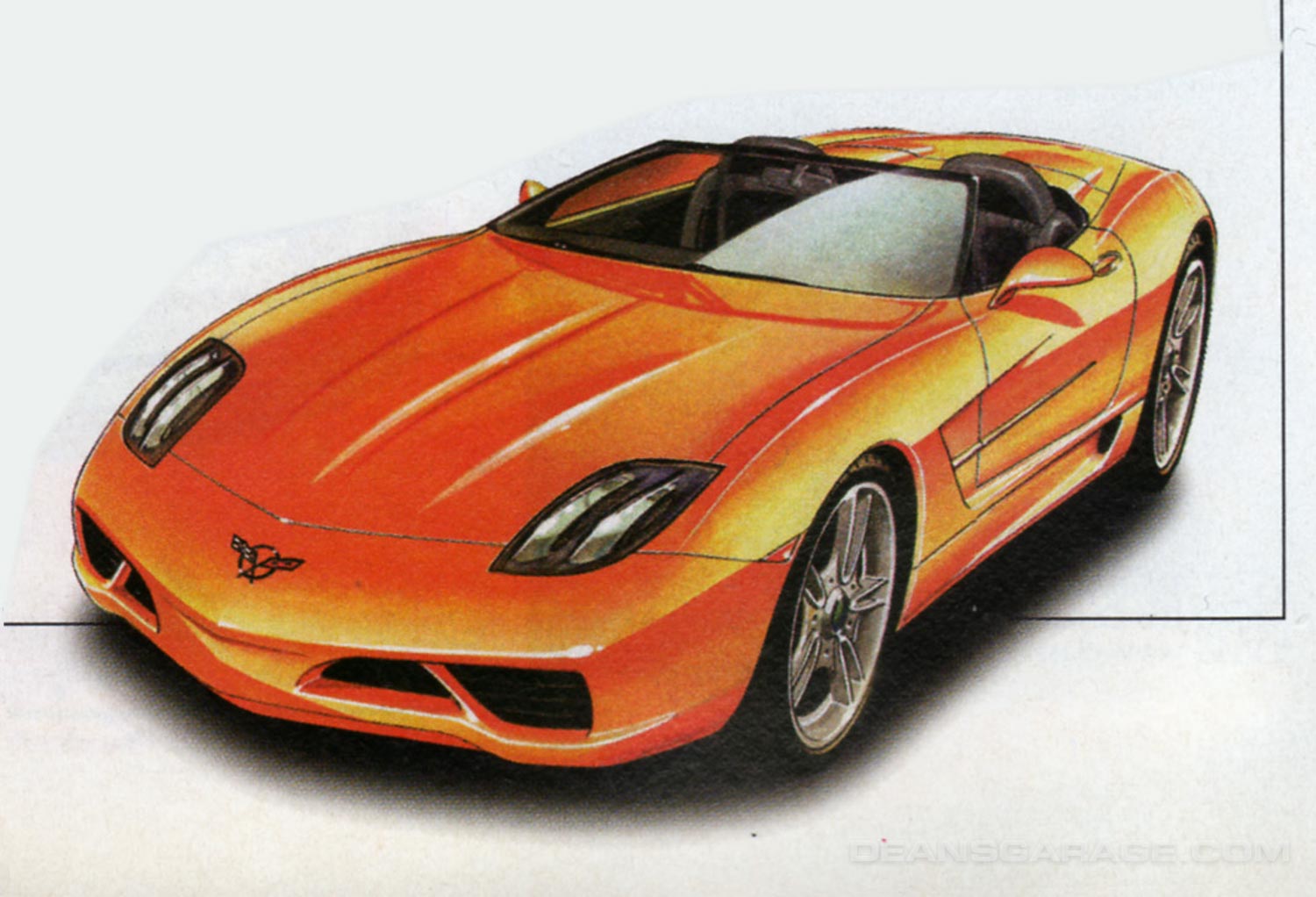
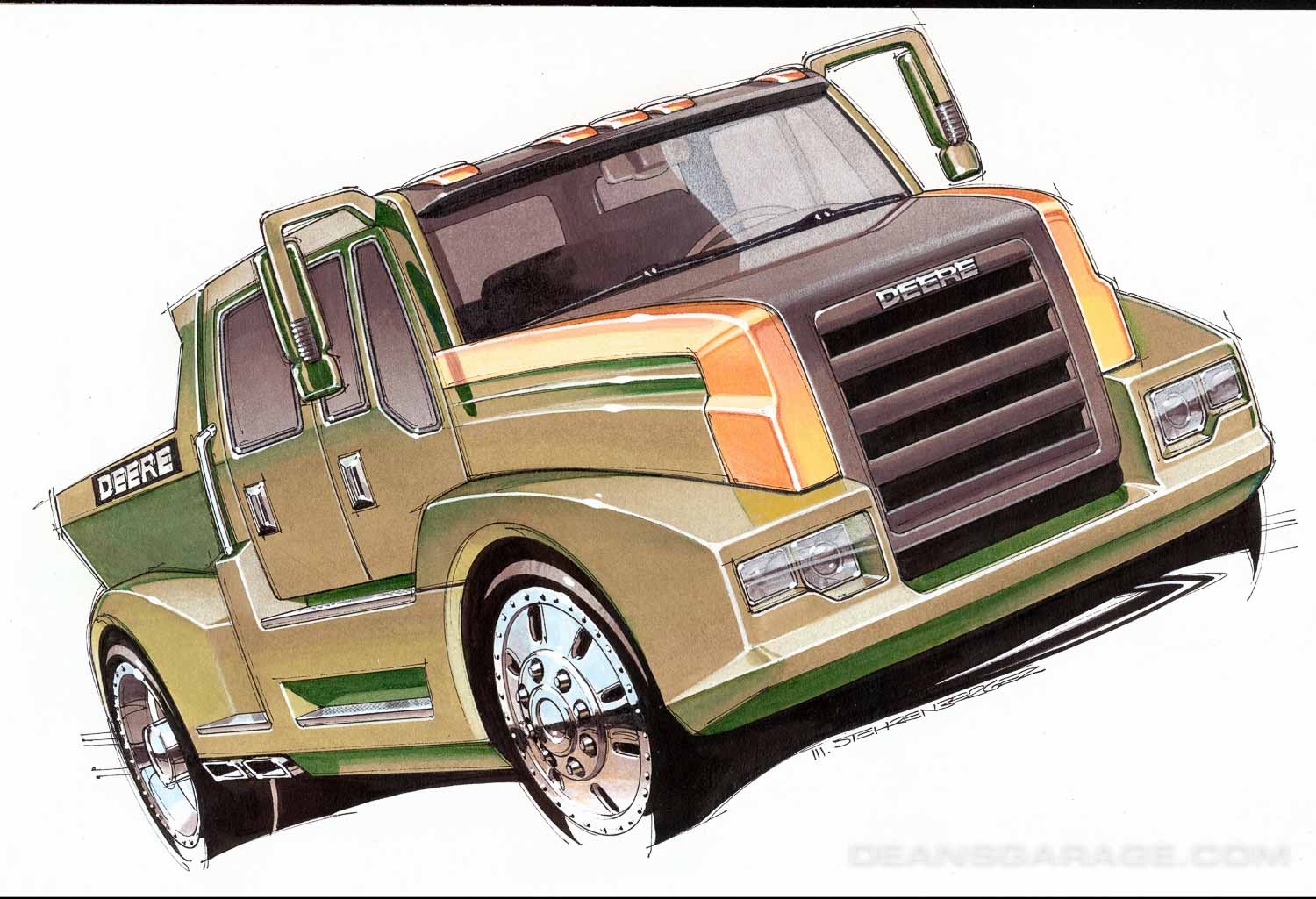
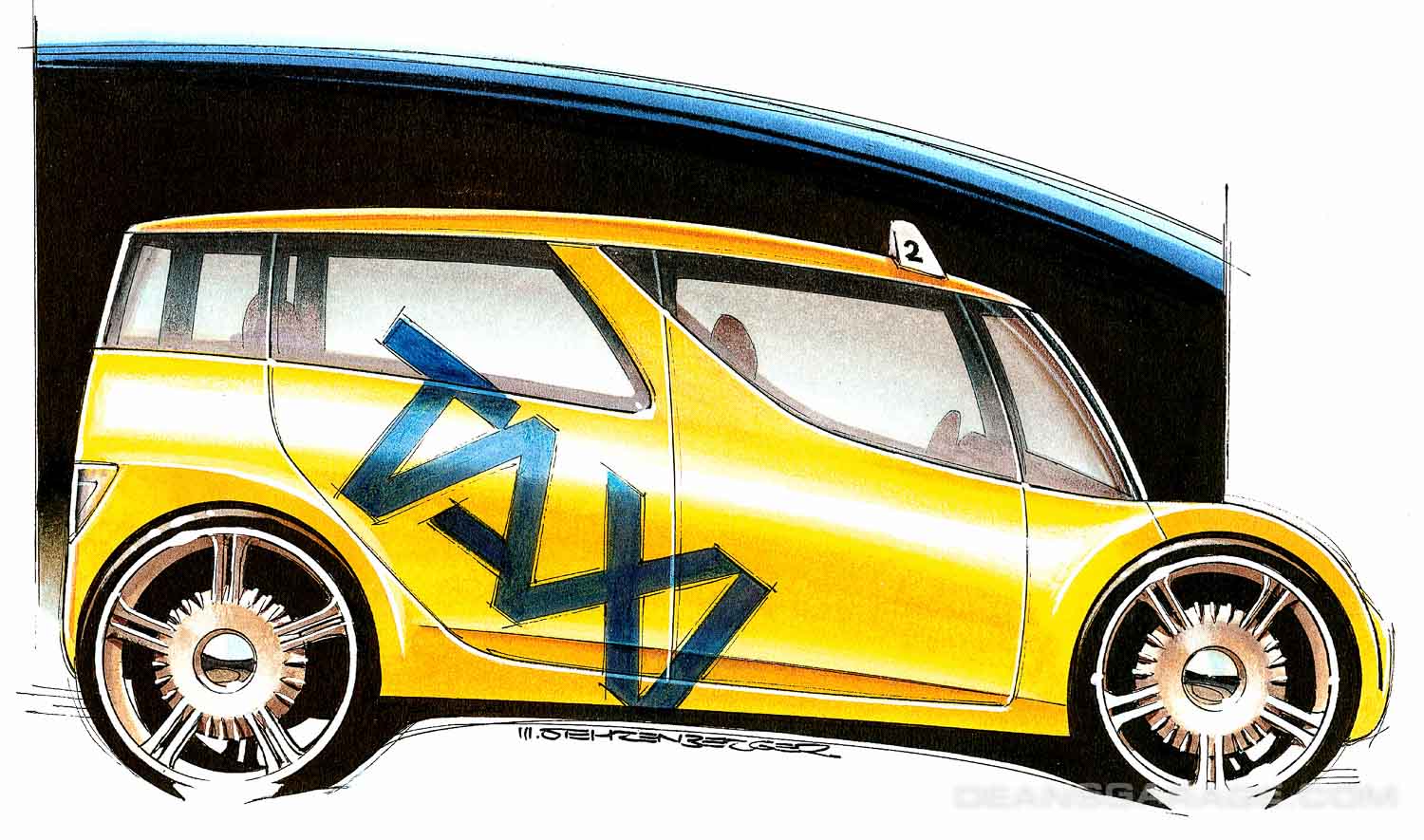
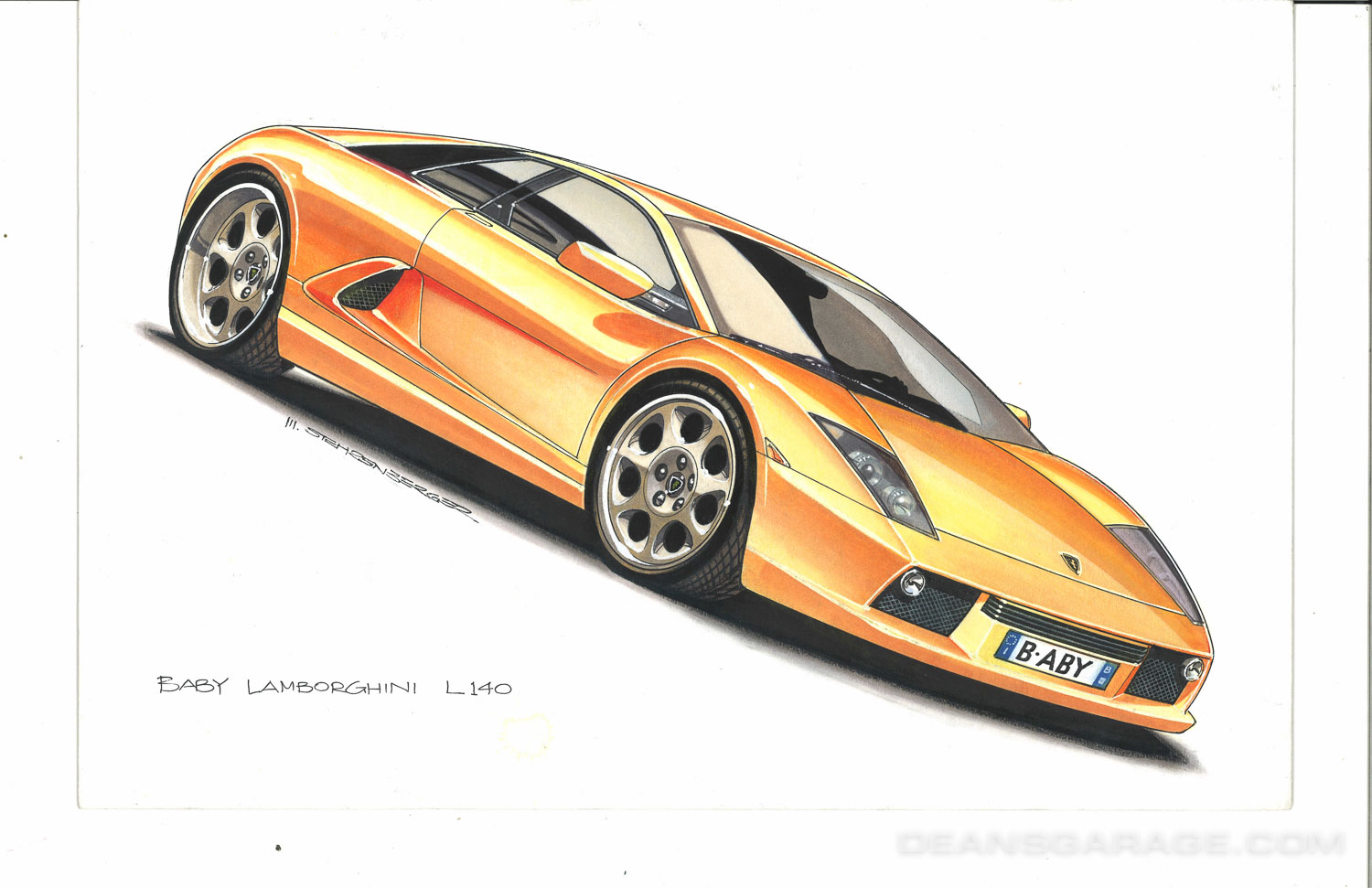
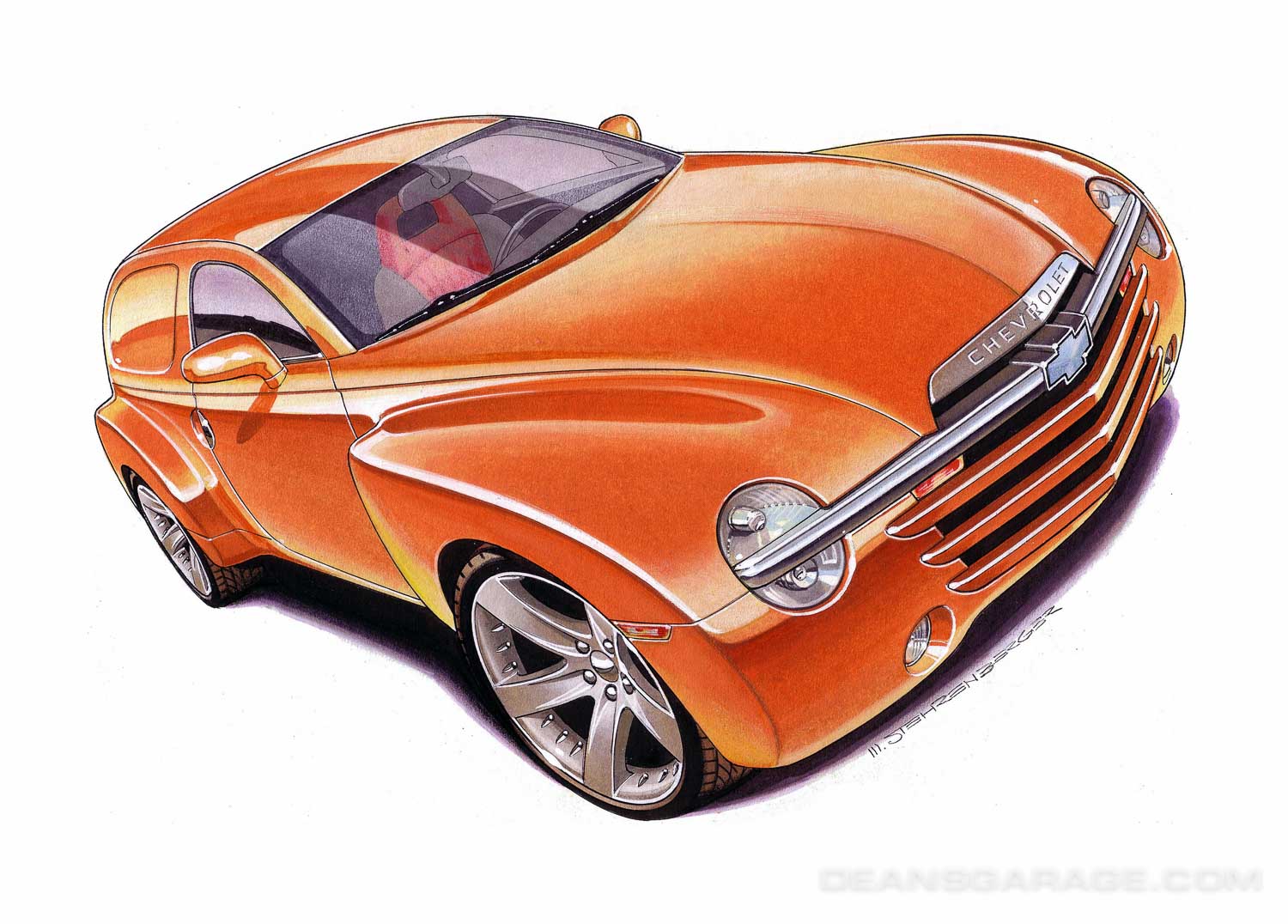
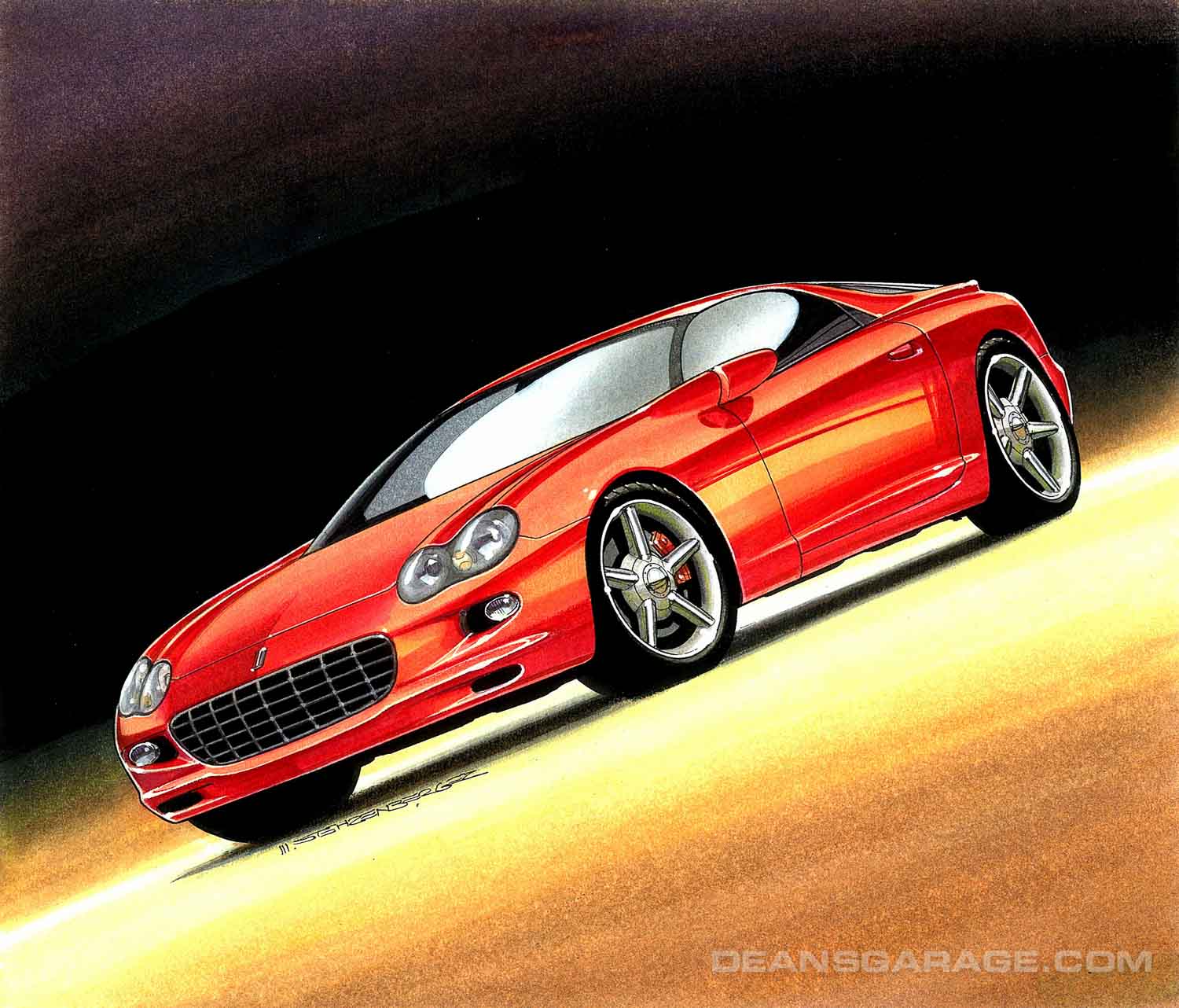
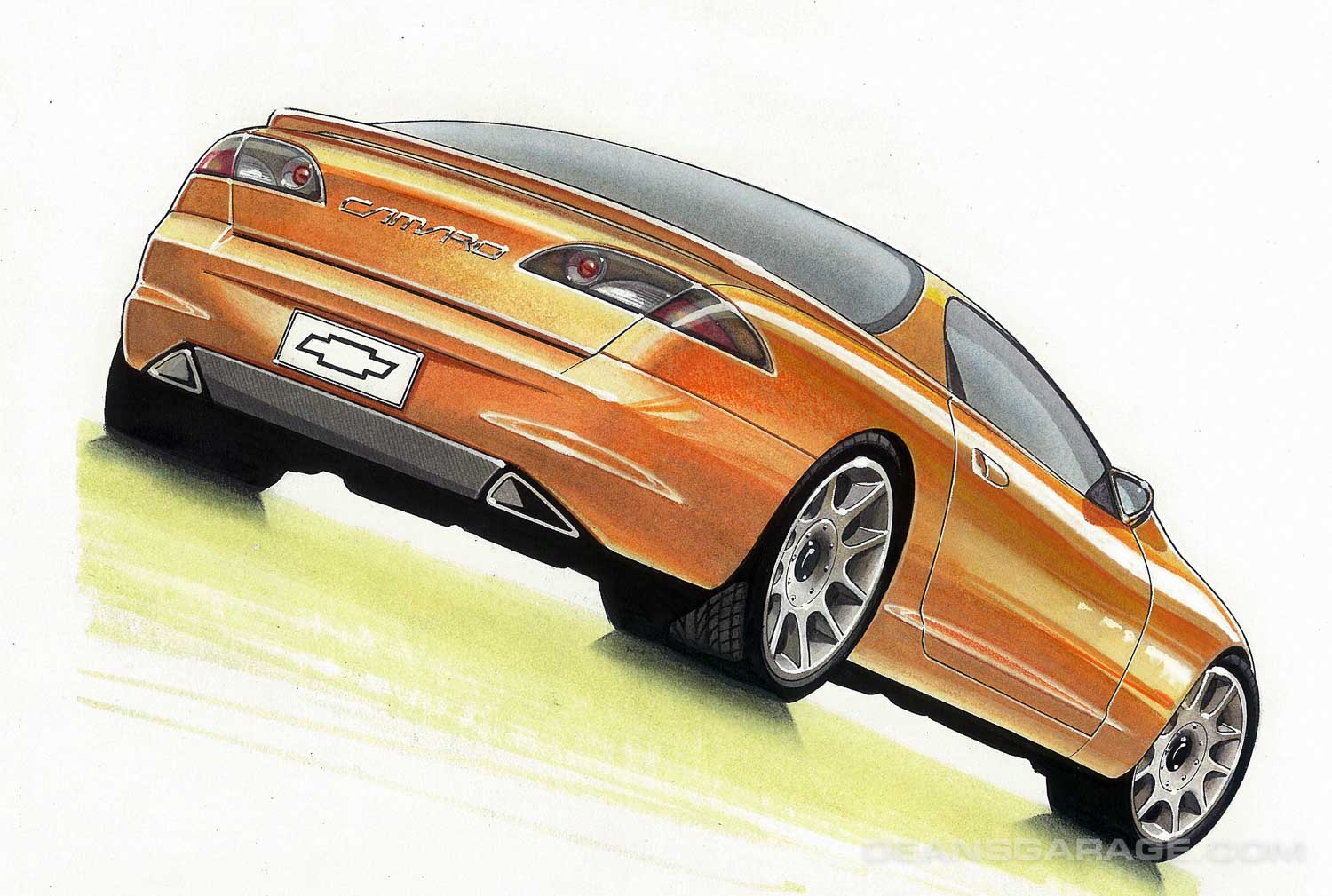
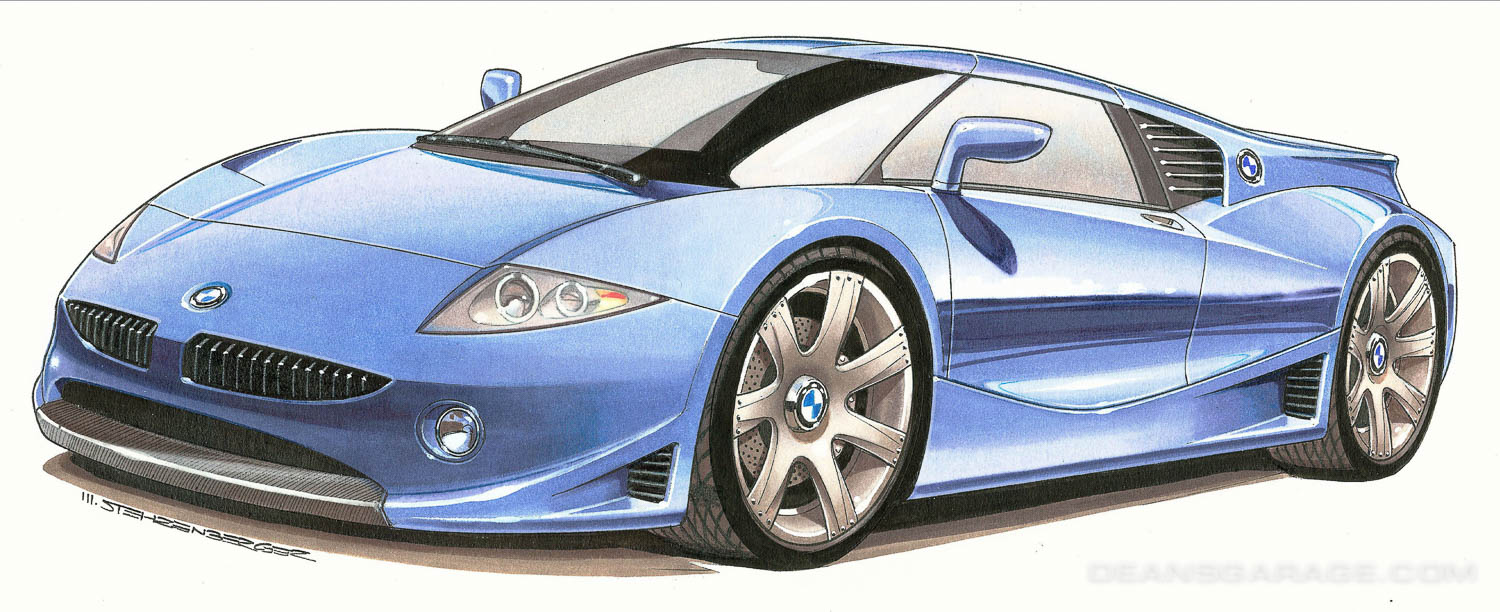
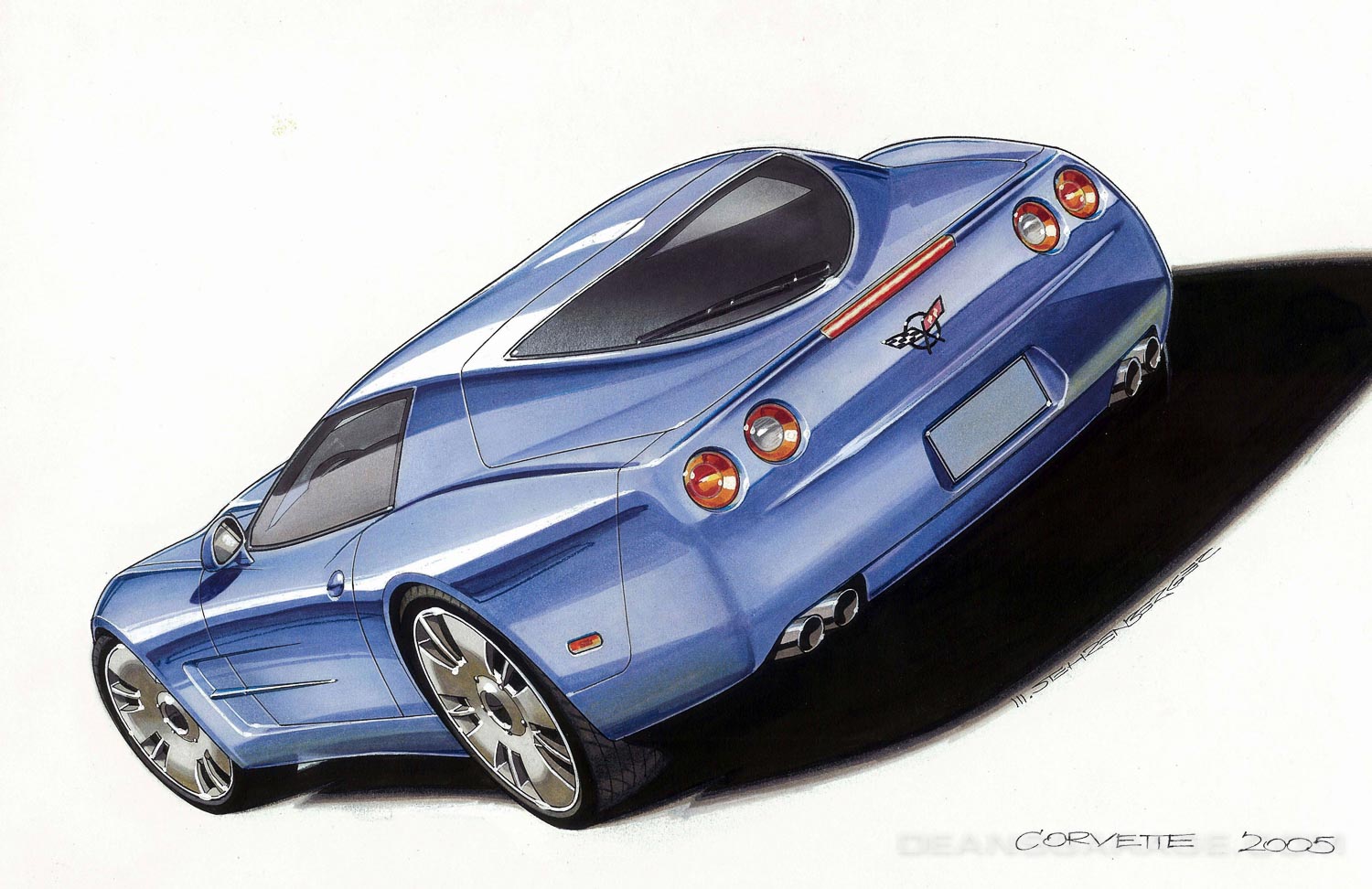
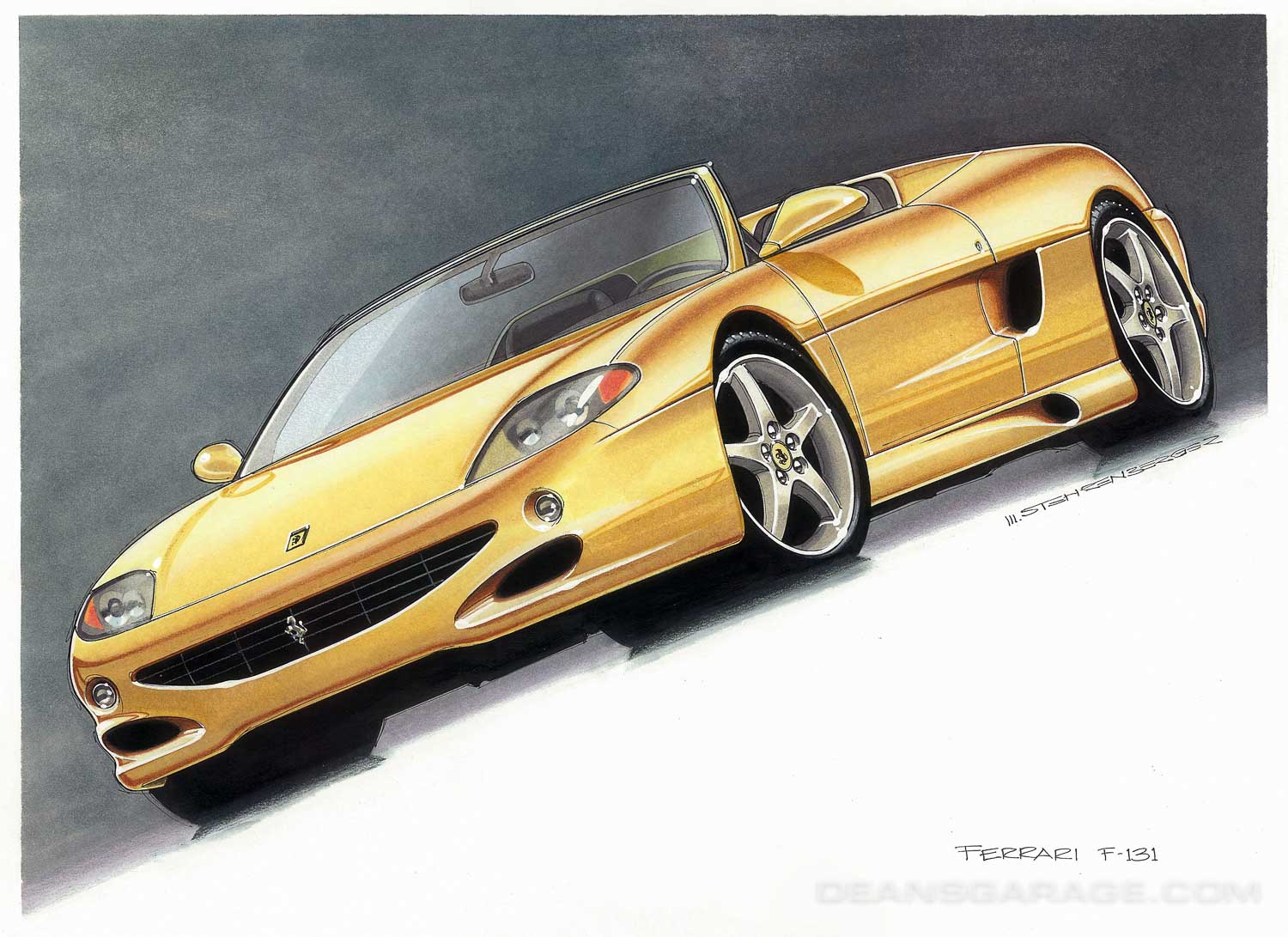
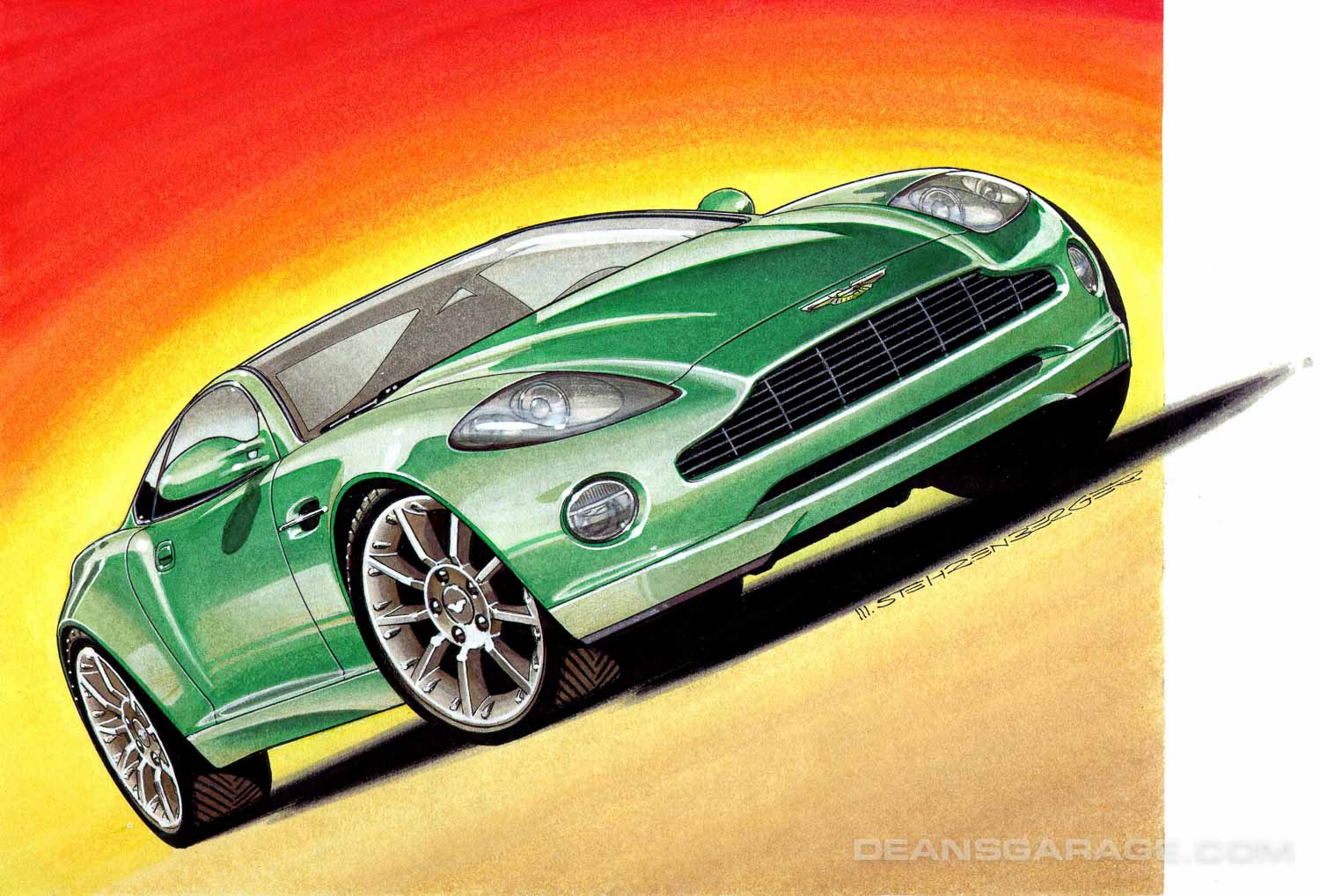
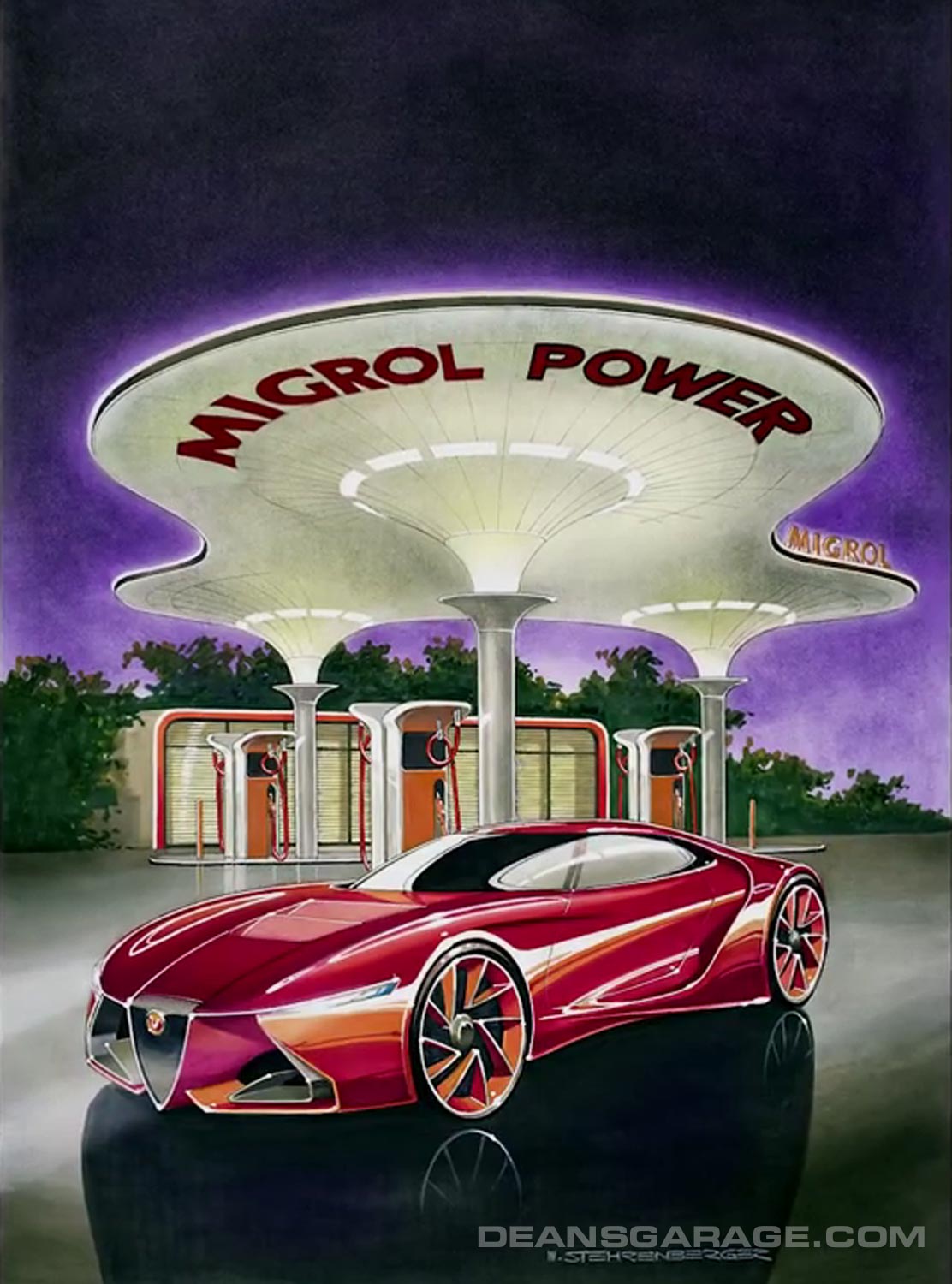
Cutting-edge design for concept cars, after-market car products, sports equipment, shoes, luxury wristwatch, gadget products, fashion accessories, and medical devices proved his worth, but car design topped the list of Mark’s predilections. Lifestyle in California was an inspiration, and makers in the U.S., Europe, and Asia sought his advice in forecasting and envisioning what future models of the world’s automakers may look like. Mark’s scoop illustrations featured regularly in over fifty major publications worldwide.
“Italian cars always raised my blood pressure! Giugiaro, Pininfarina, and Bertone were my heroes. I got the meet Nuccio Bertone in a toilet in Germany when we both peed side by side next to each other! He said: ‘Eh, signore Stehrenberger. Piacere di conoscerti (nice to meet you)!’ We shook hands, then we washed them! We became best friends.” Already a renowned designer, Mark put some well needed distance with the California madness (only for some time) and settled in Lake Tahoe in 1978, a mountainous region reminiscent of Switzerland, with his studio located in a small, almost rural-looking commercial building near the forest.
1983 was the year of the Stehrenberger-Clénet partnership. Alain Clénet, former producer of Ford-based, finely finished neo-classical convertible two-seater at the helm of Clenet Coachworks of Santa Barbara in California, became the business partner of Mark, taking sales and managerial duties, while Mark devoted to the creative side of matters aided eventually by two freelance collaborators. By 1988, a large new Stehrenberger-Clénet studio-office was opened at 600 Ward Drive again in Santa Barbara. A much coveted Jeep-like futuristic 4×4, with easily re-configurable body, was premiered, with several new patents for its construction and design being registered.
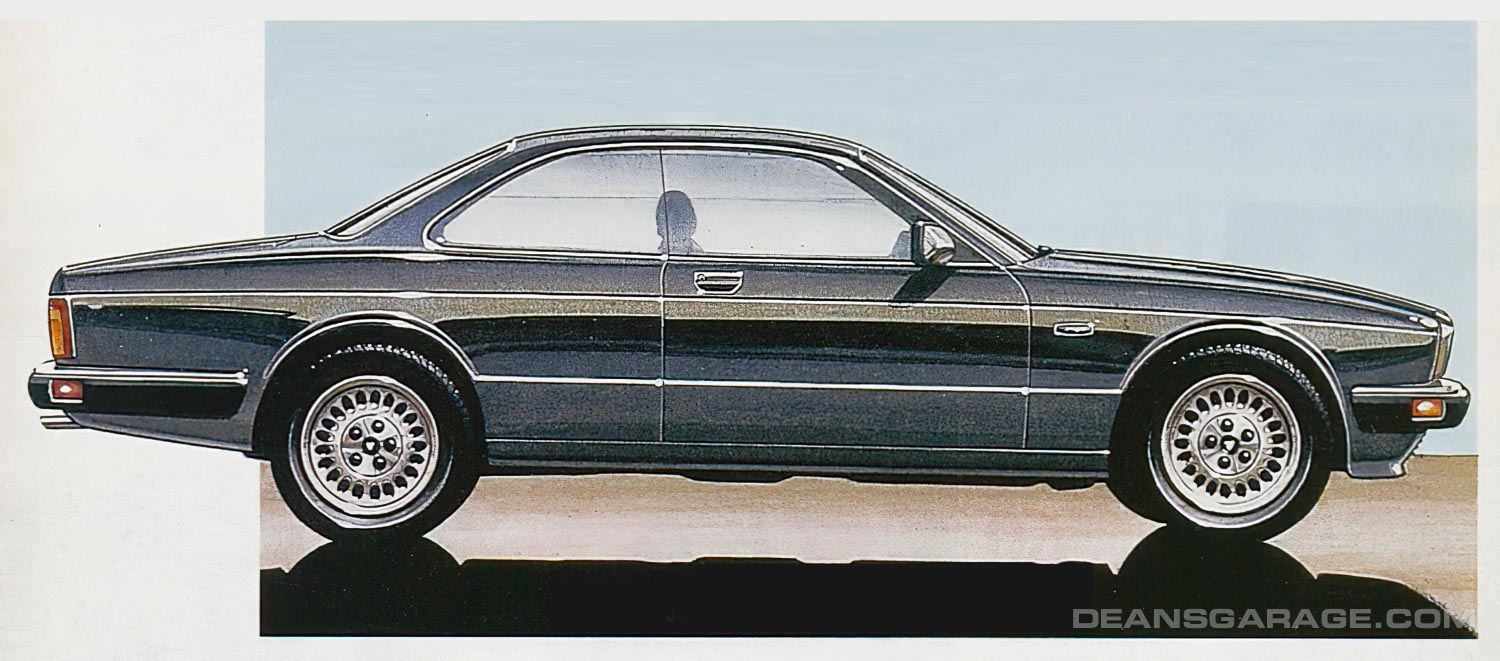
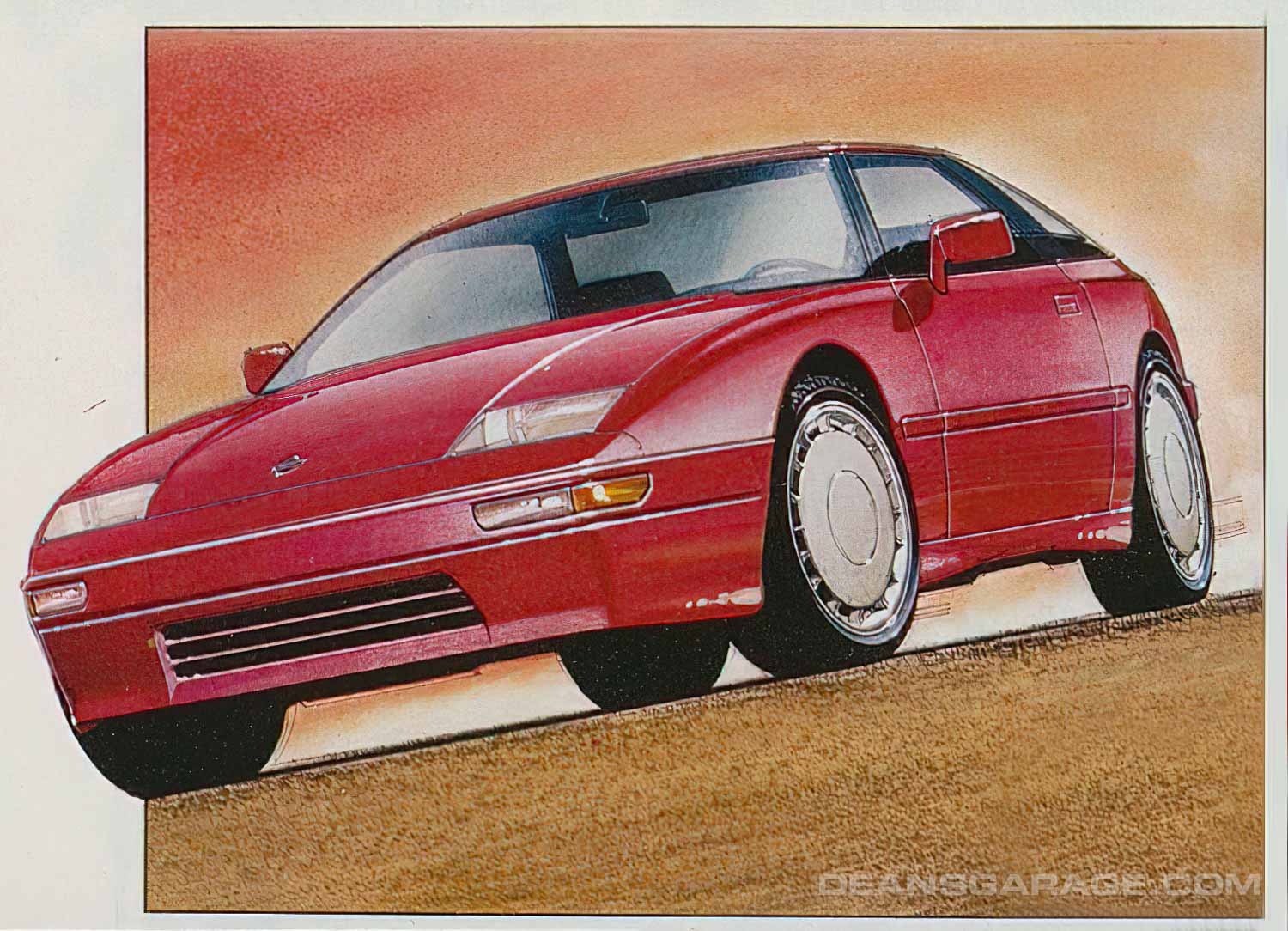
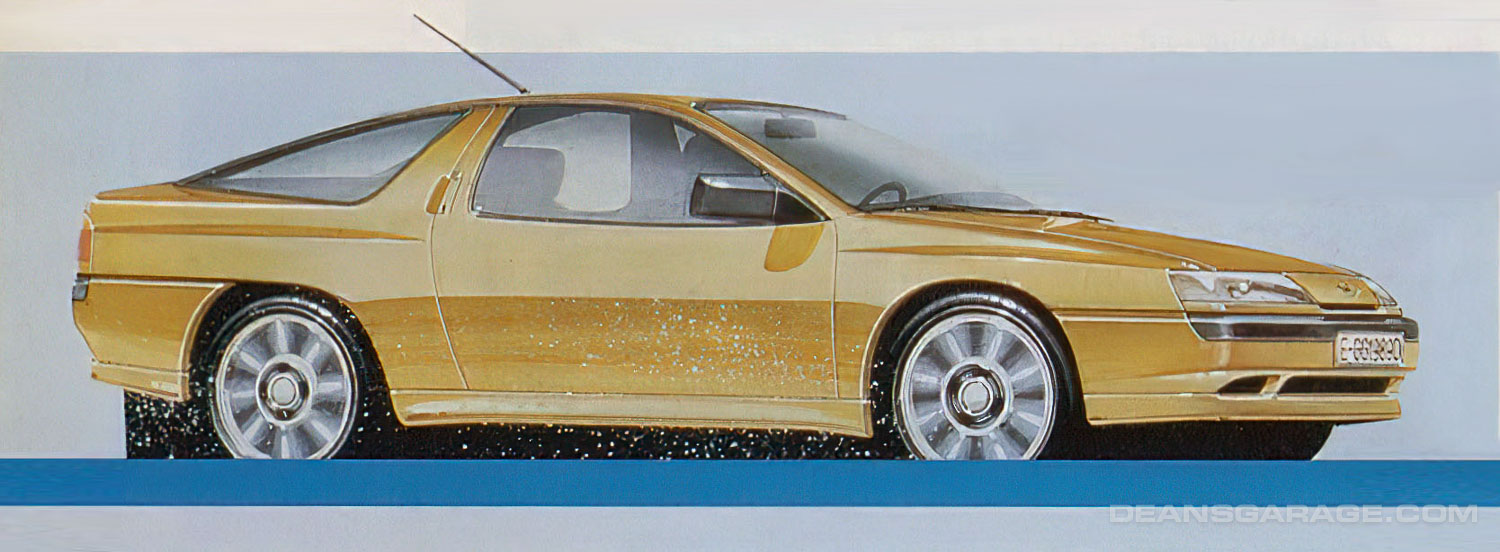
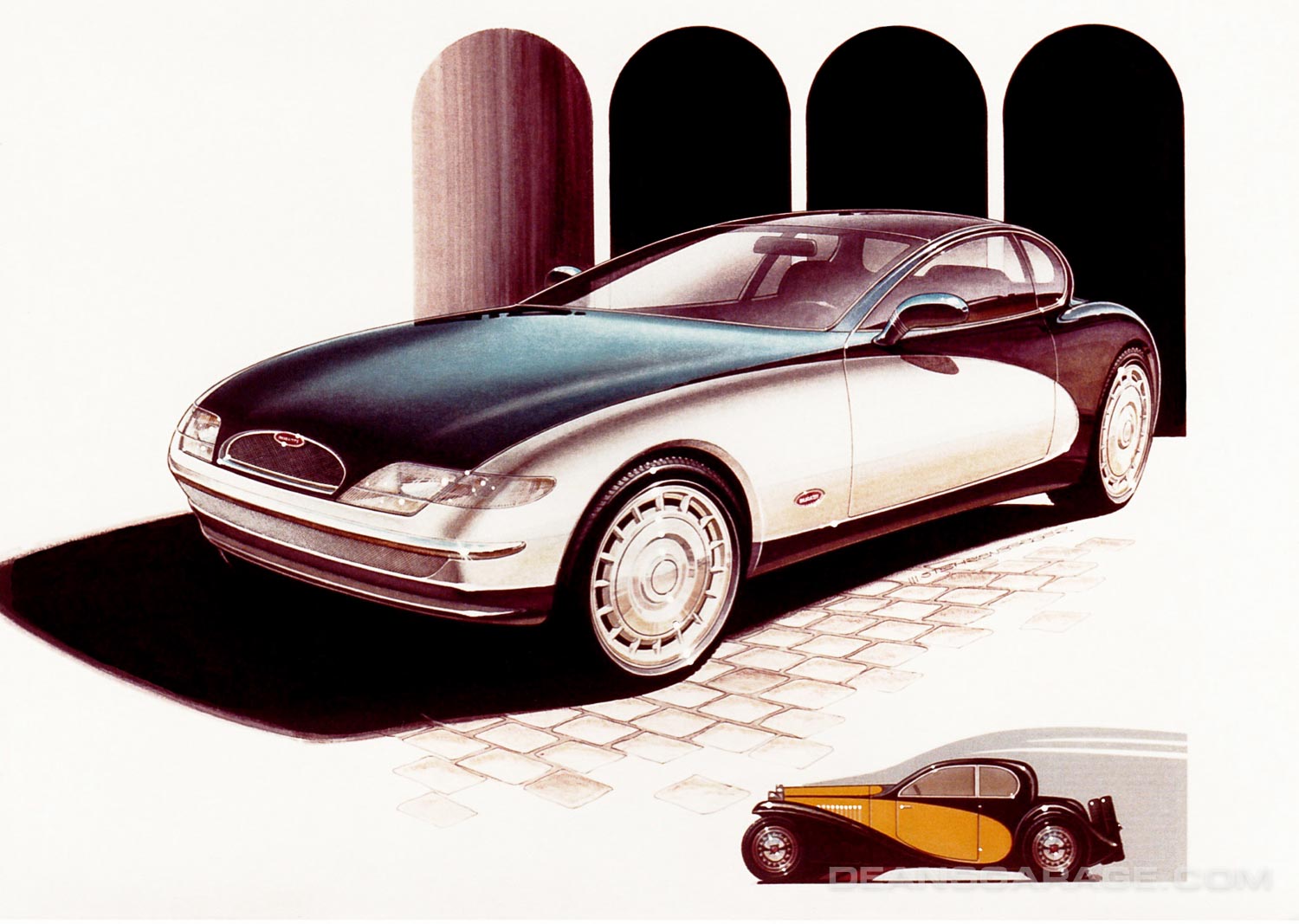
Our man, prophet of the future, kept on enthralling avid car-magazine readers worldwide with his ‘pin-point accuracy and skillful power of expression,’ as Japanese Car Styling monthly praised and rightfully described his style for scoop and illustrations.
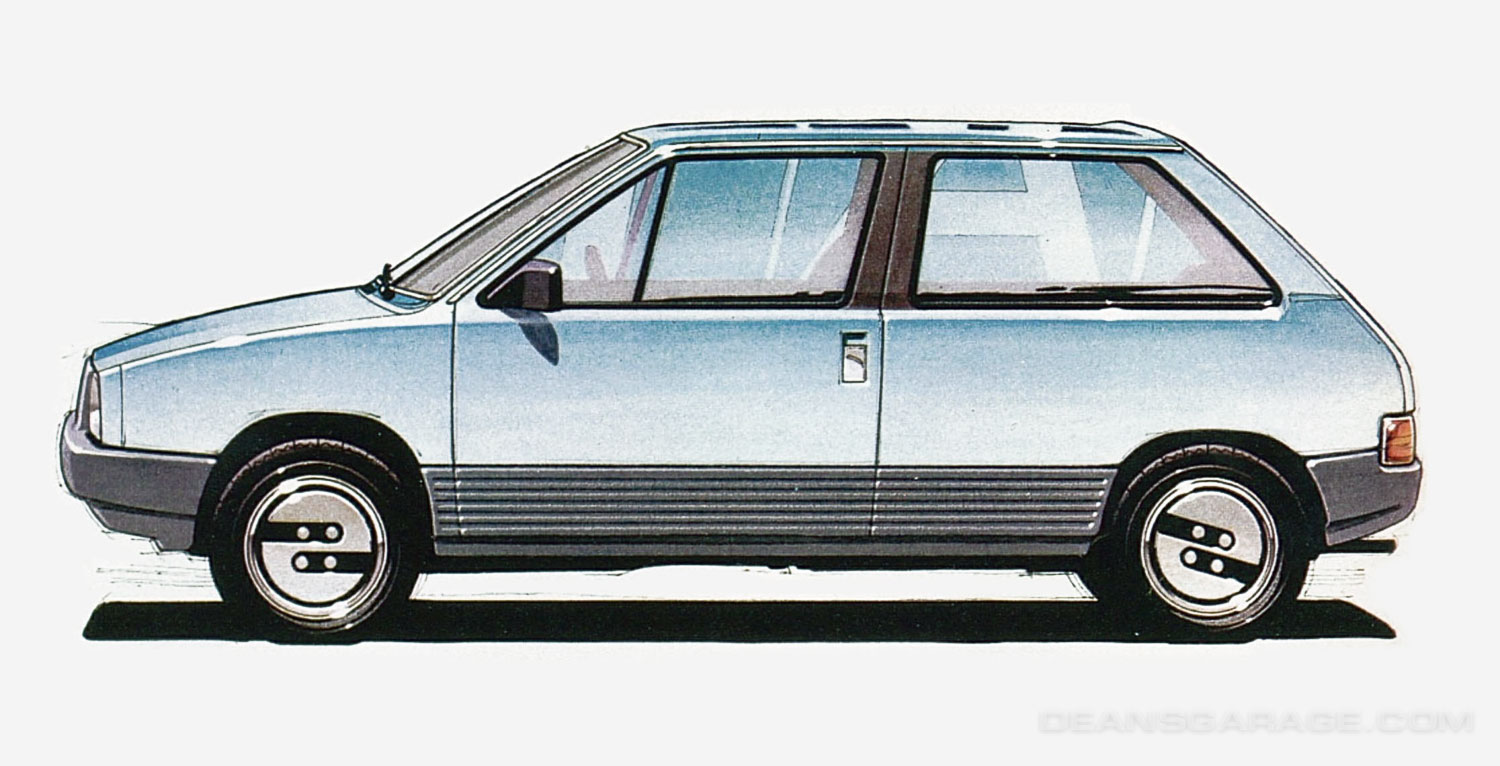
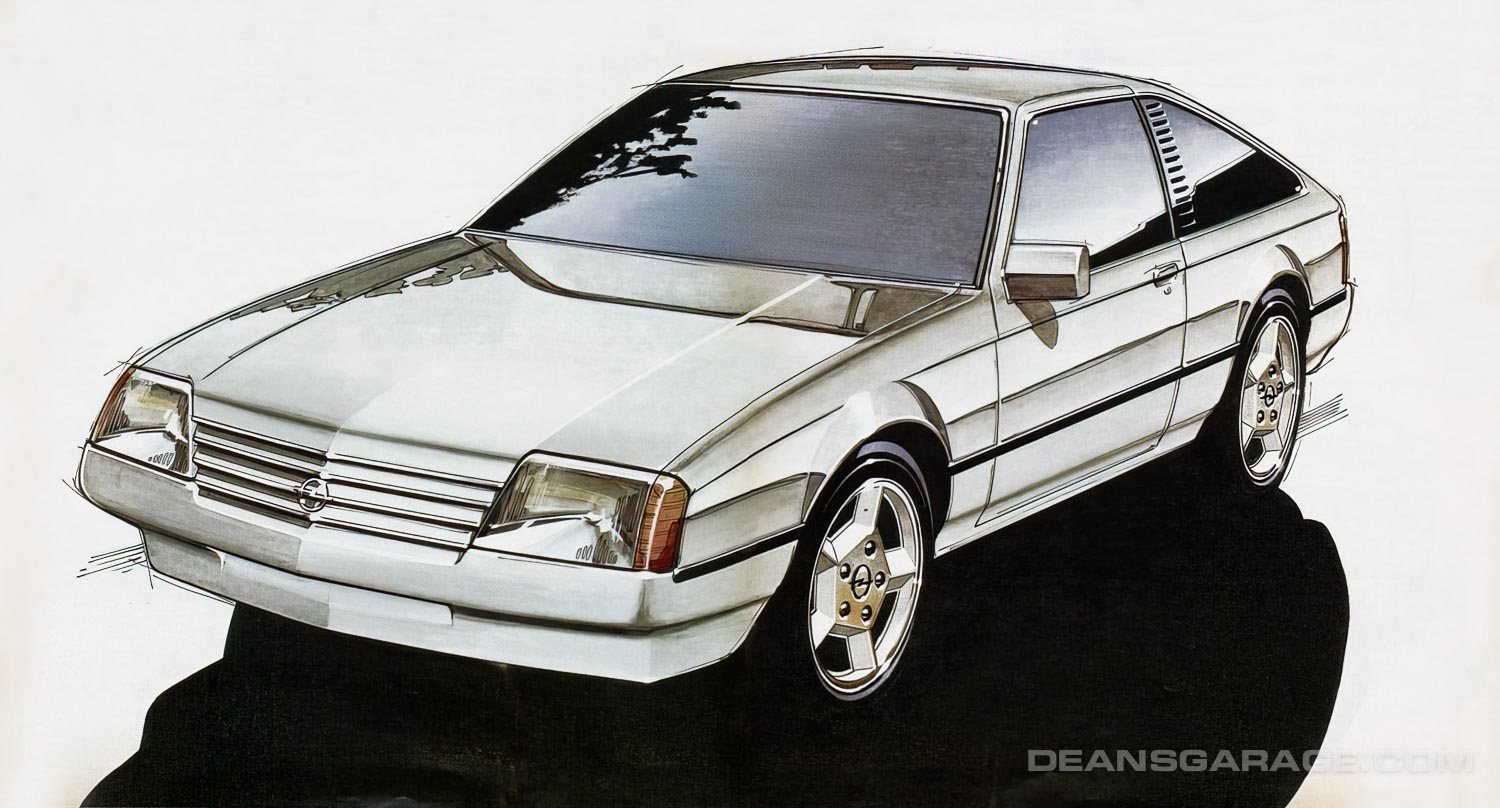
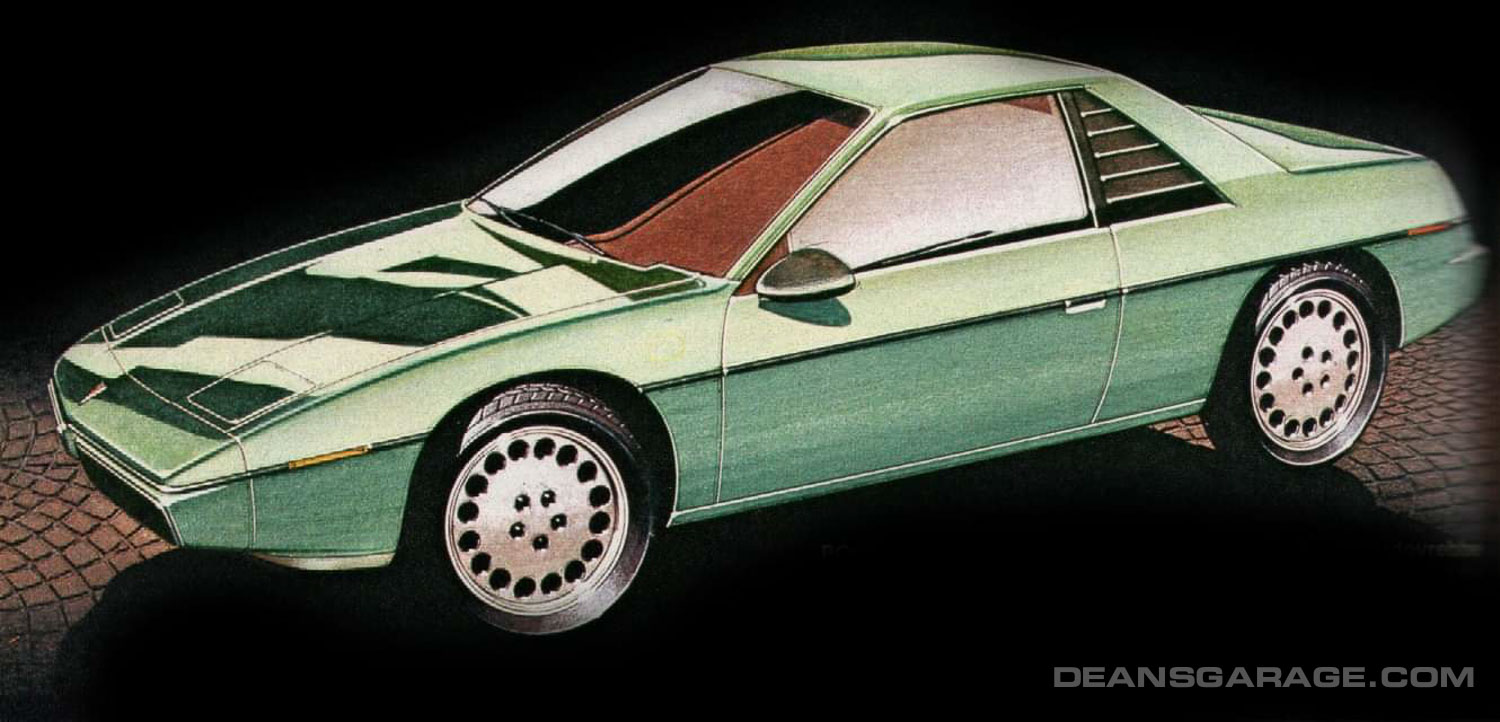
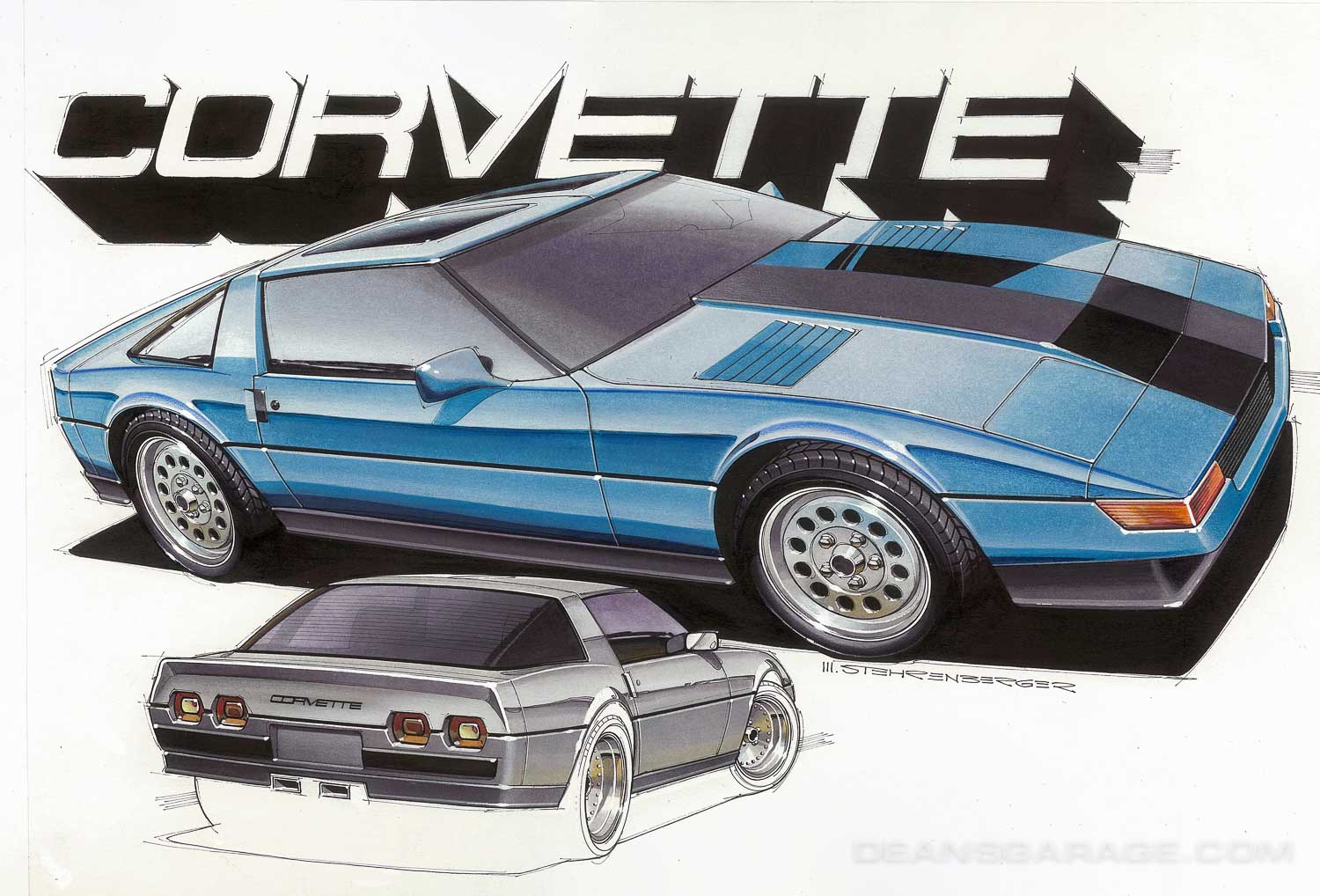
“I disbanded the company in late 1988. I was busiest with my magazine work in the ’80s, sometimes cranking out three or more illustrations per week to feed the pipeline. Gathering infos from my network of ‘spies’ within and without the car makers’ design departments and corporate offices were a great part of it. Once I felt I had enough info about a future car, I sat down and started drawing. The Germans called me “the father of spy pictures!” Ha ha…“They also paid me the most and had quite an important role in Europe and Asia, which benefited me as well.”
By late 1980s Mark was celebrating with friends his 100th cover magazine: AutoWeek and Road & Track in the USA, Auto Motor und Sport in Germany, Automobile Revue in Switzerland and Autopista in Spain ranked at the top of his customers.
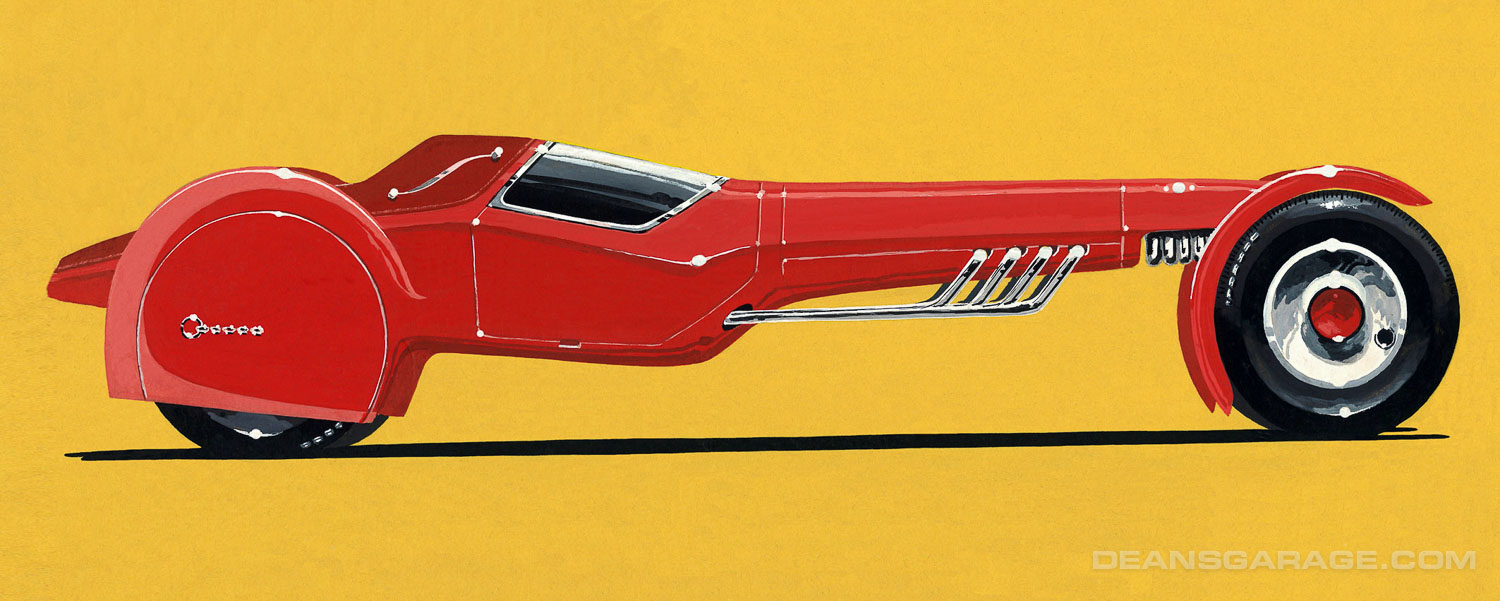
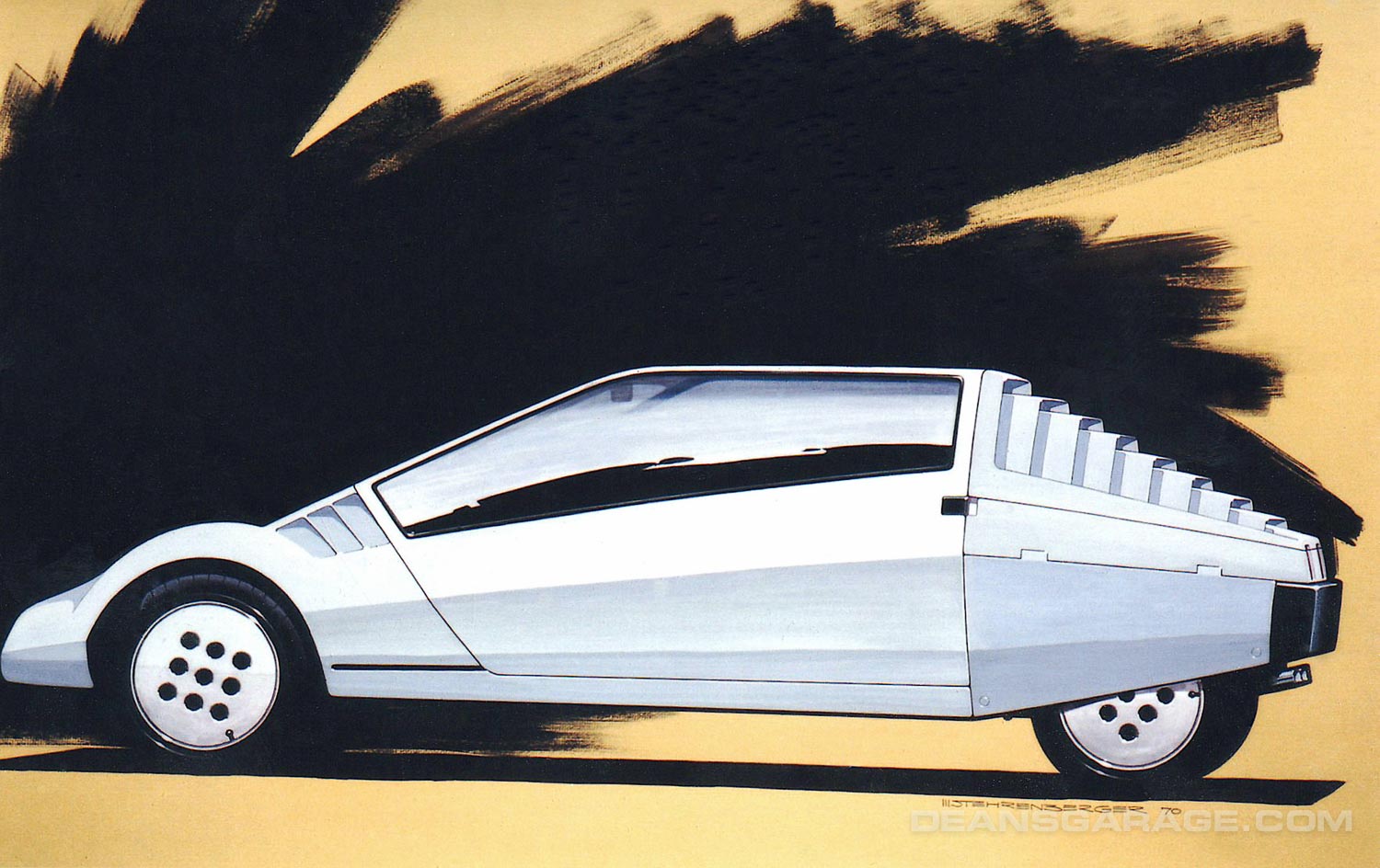
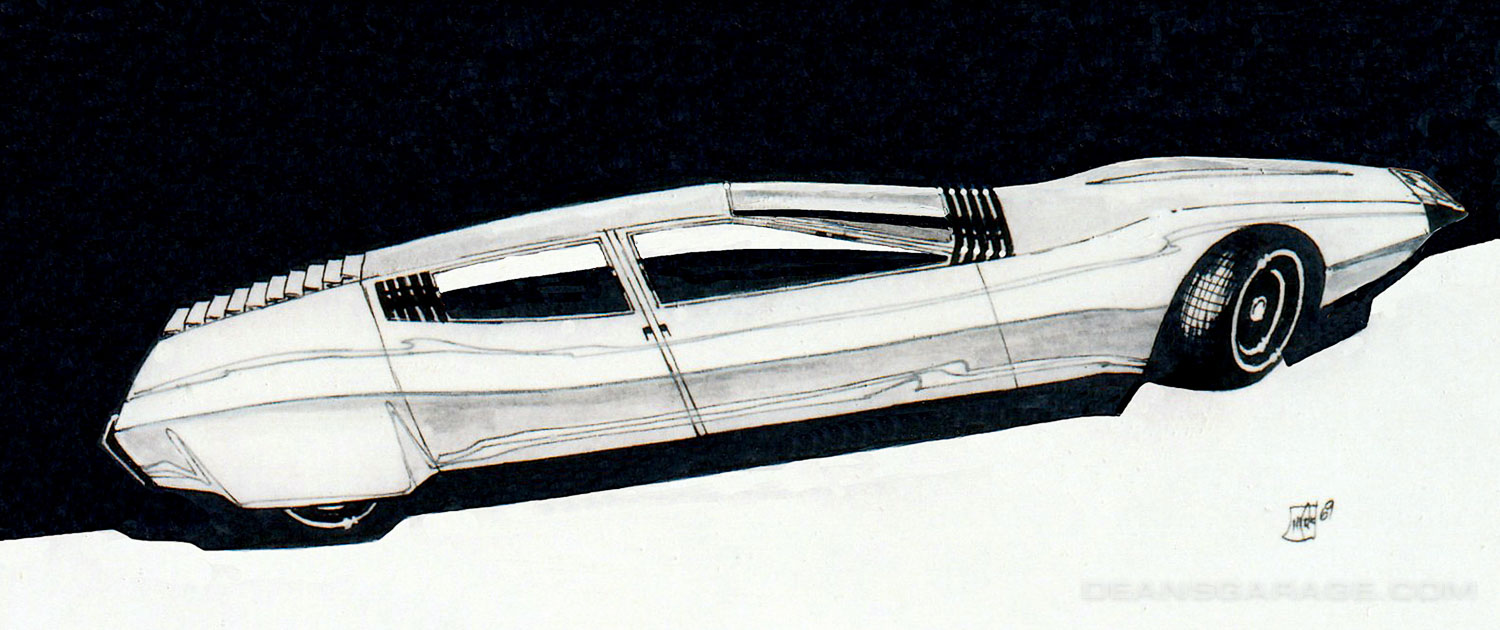
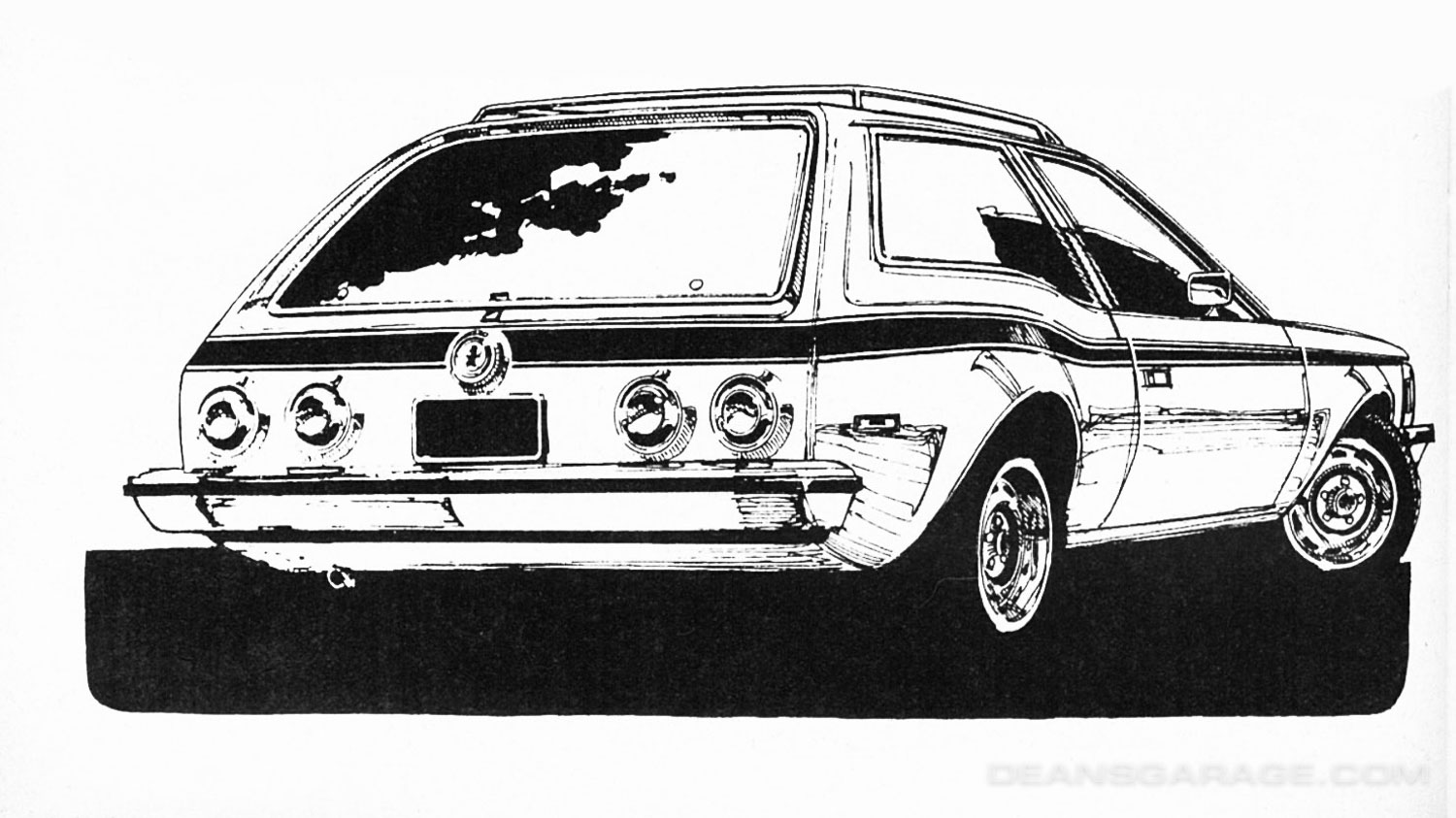
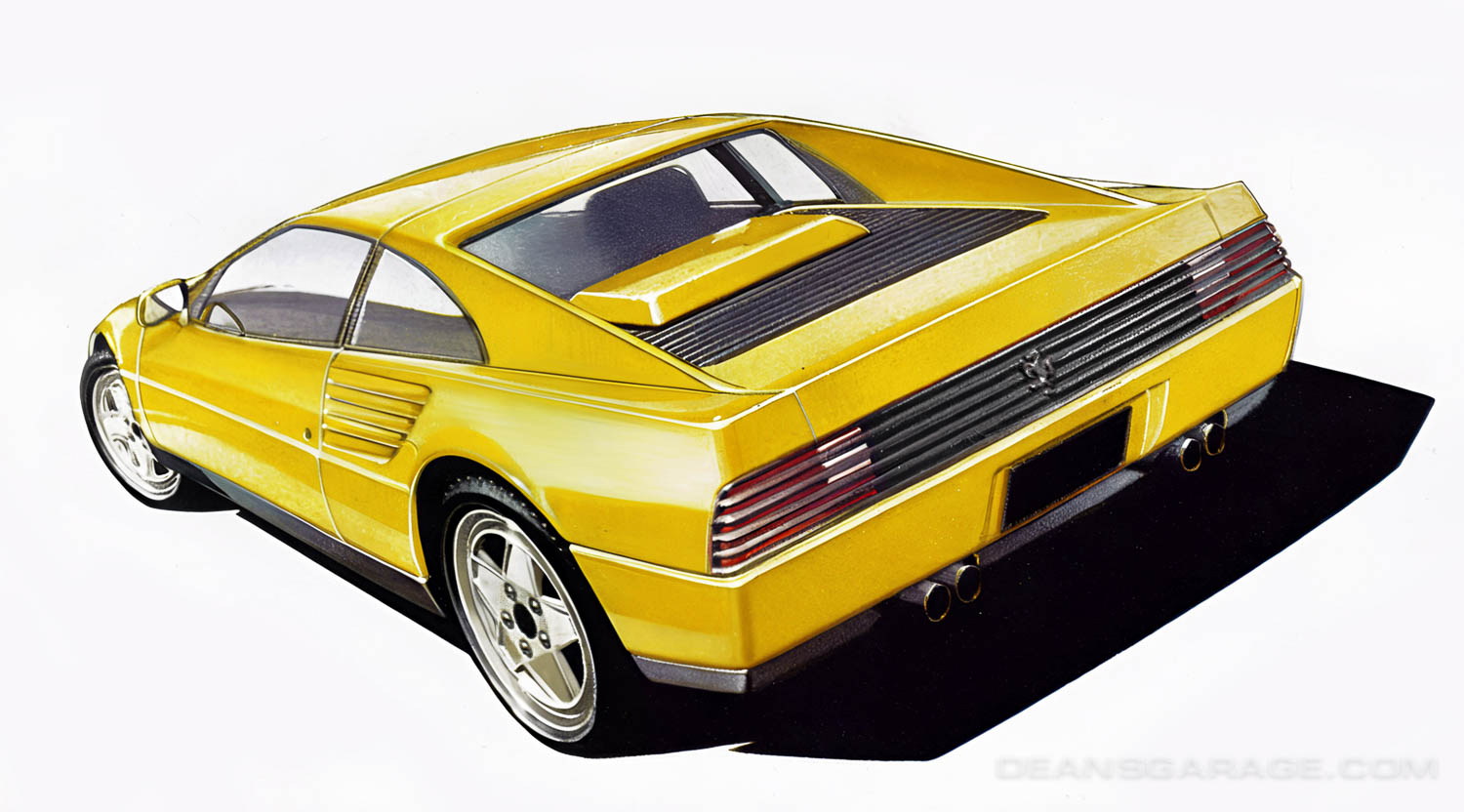
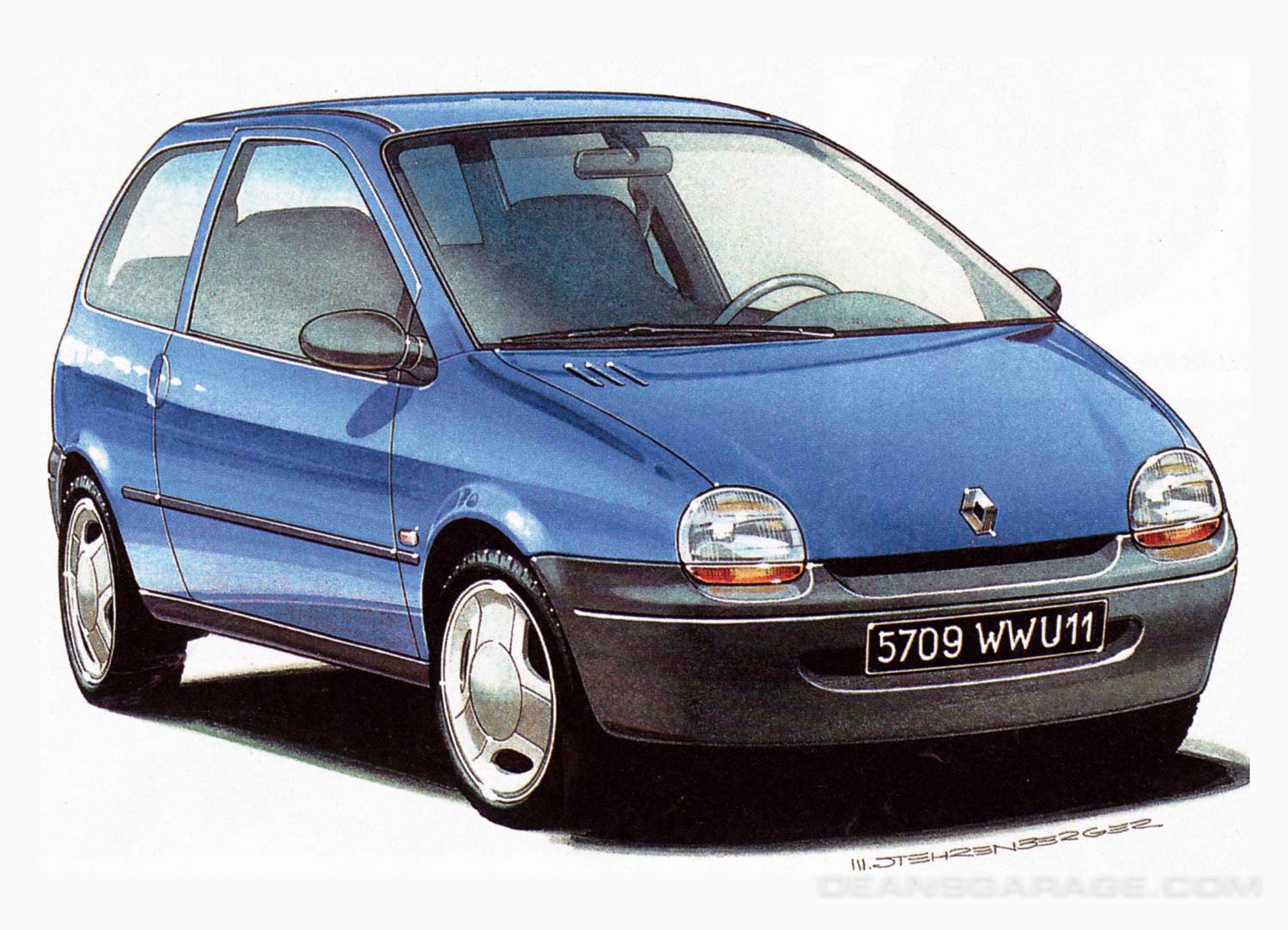
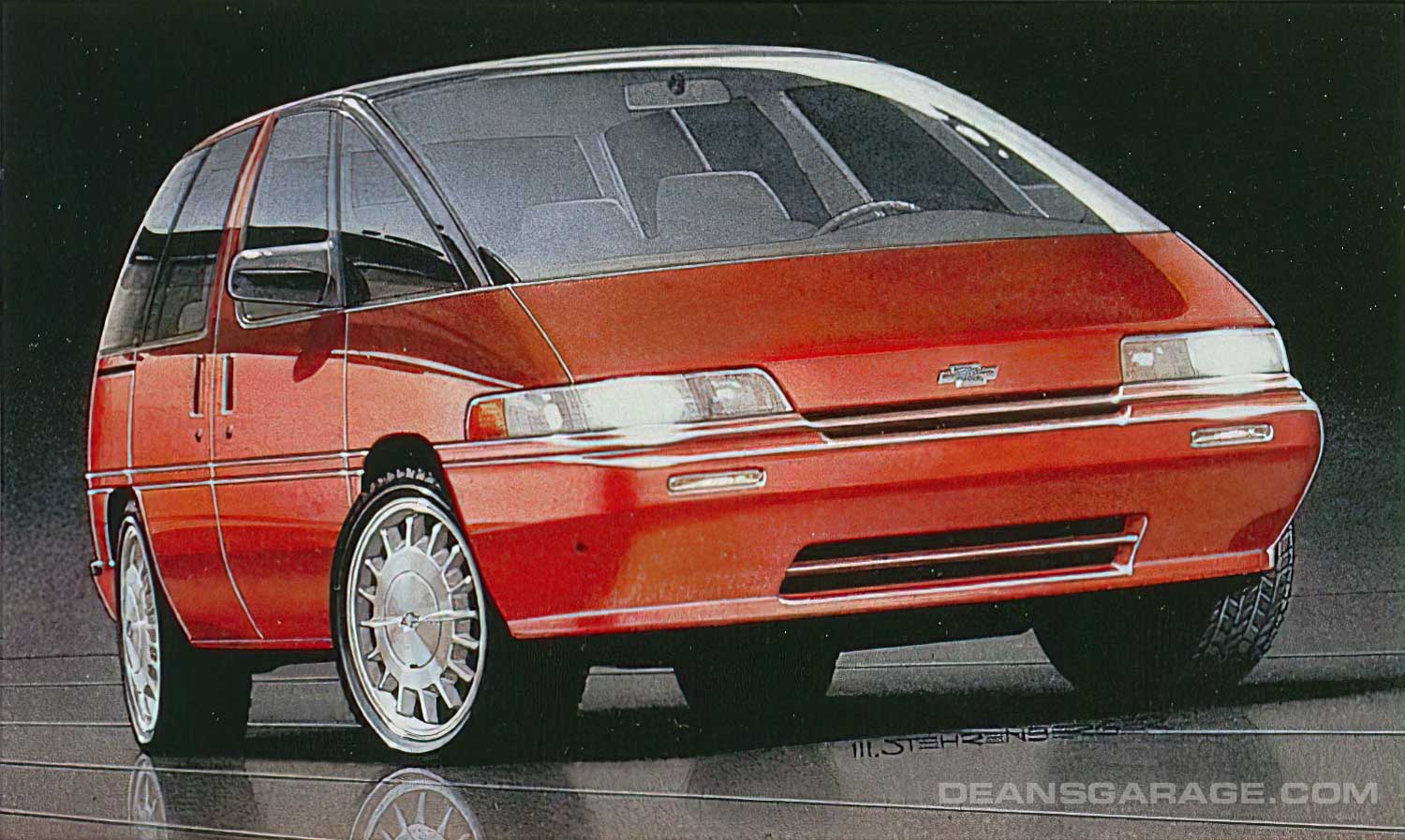
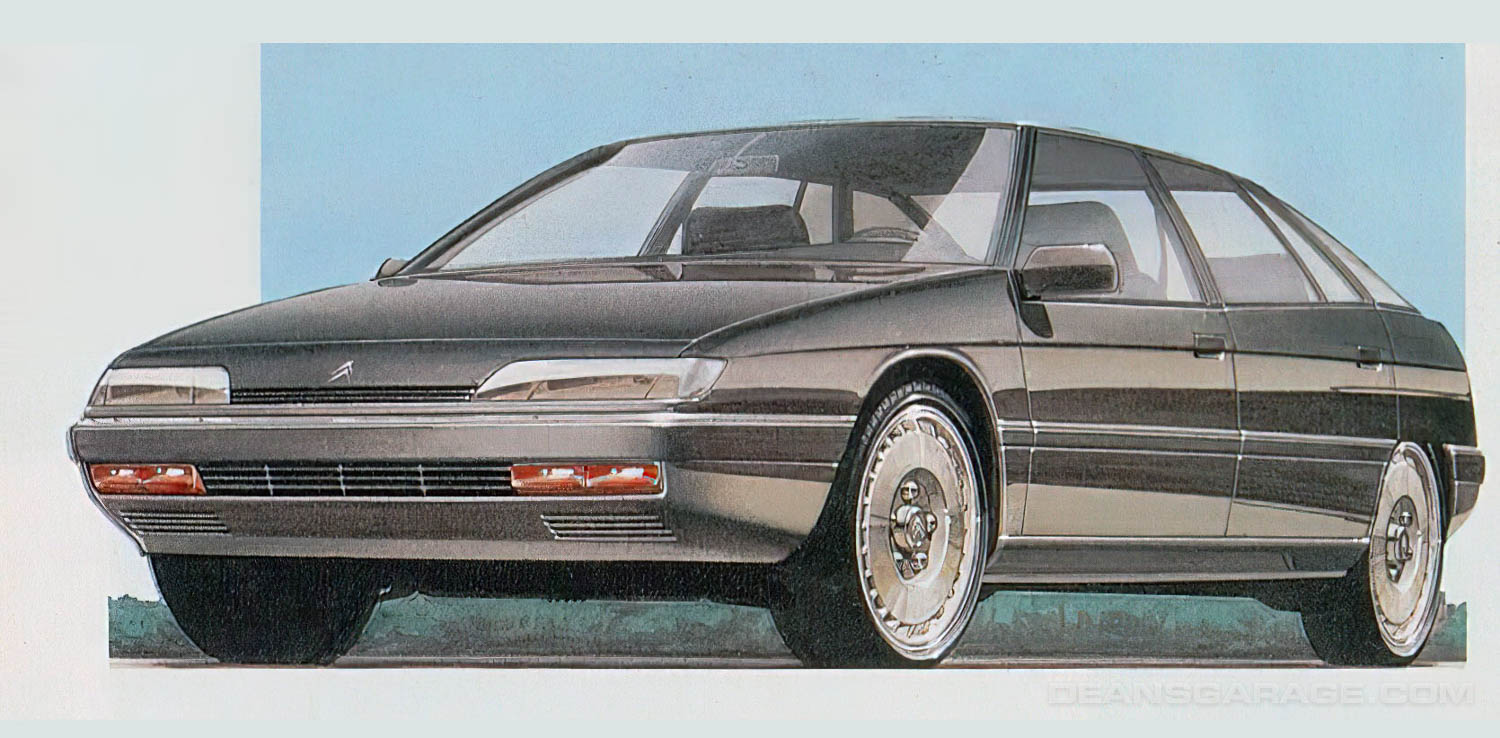
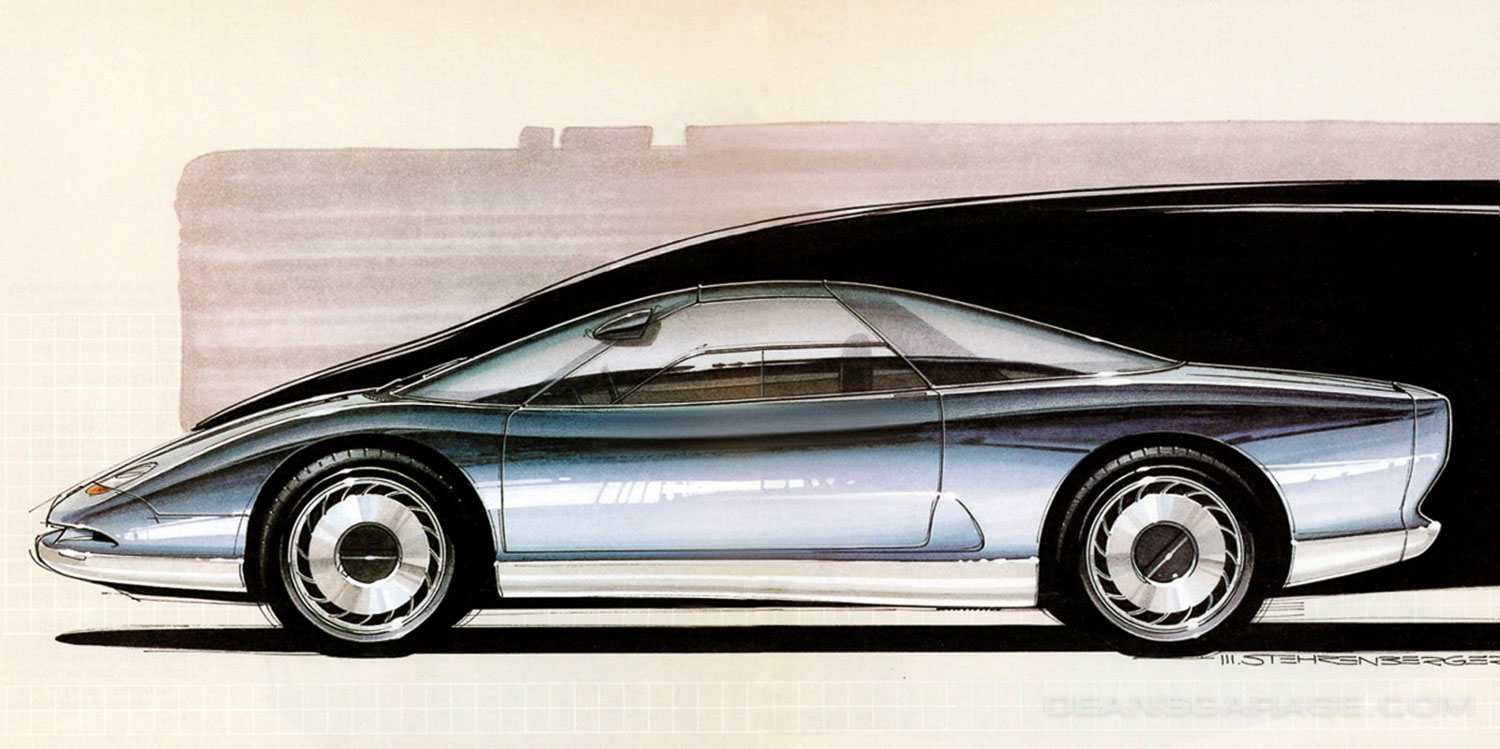
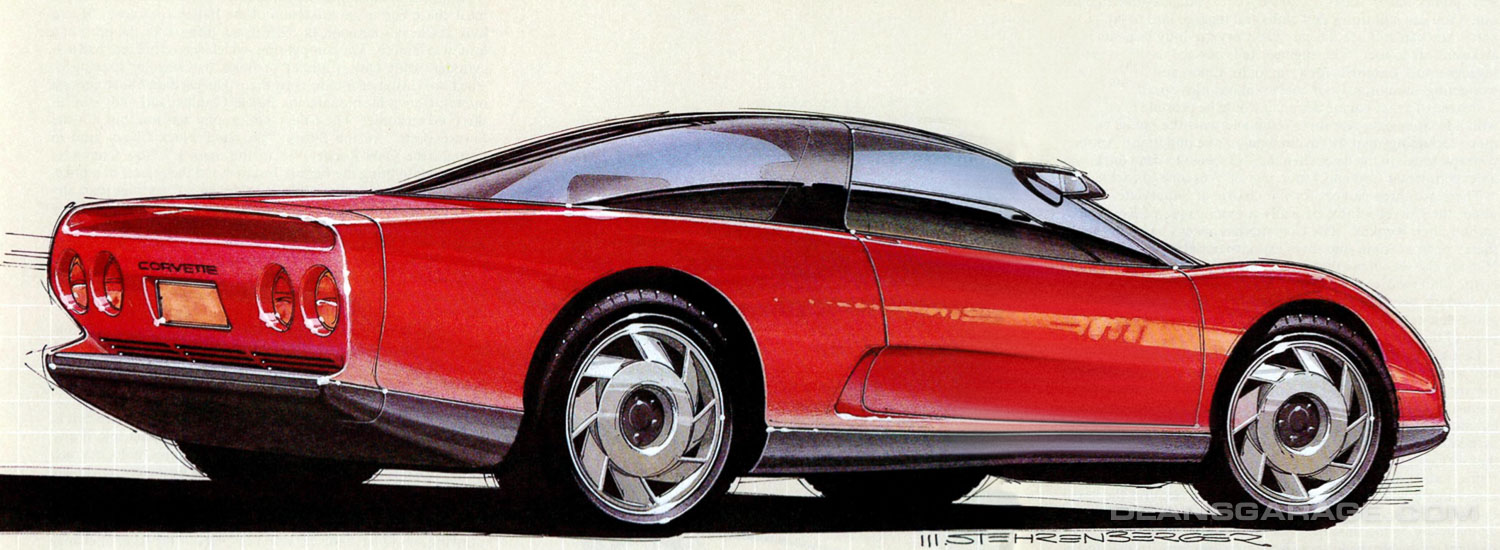
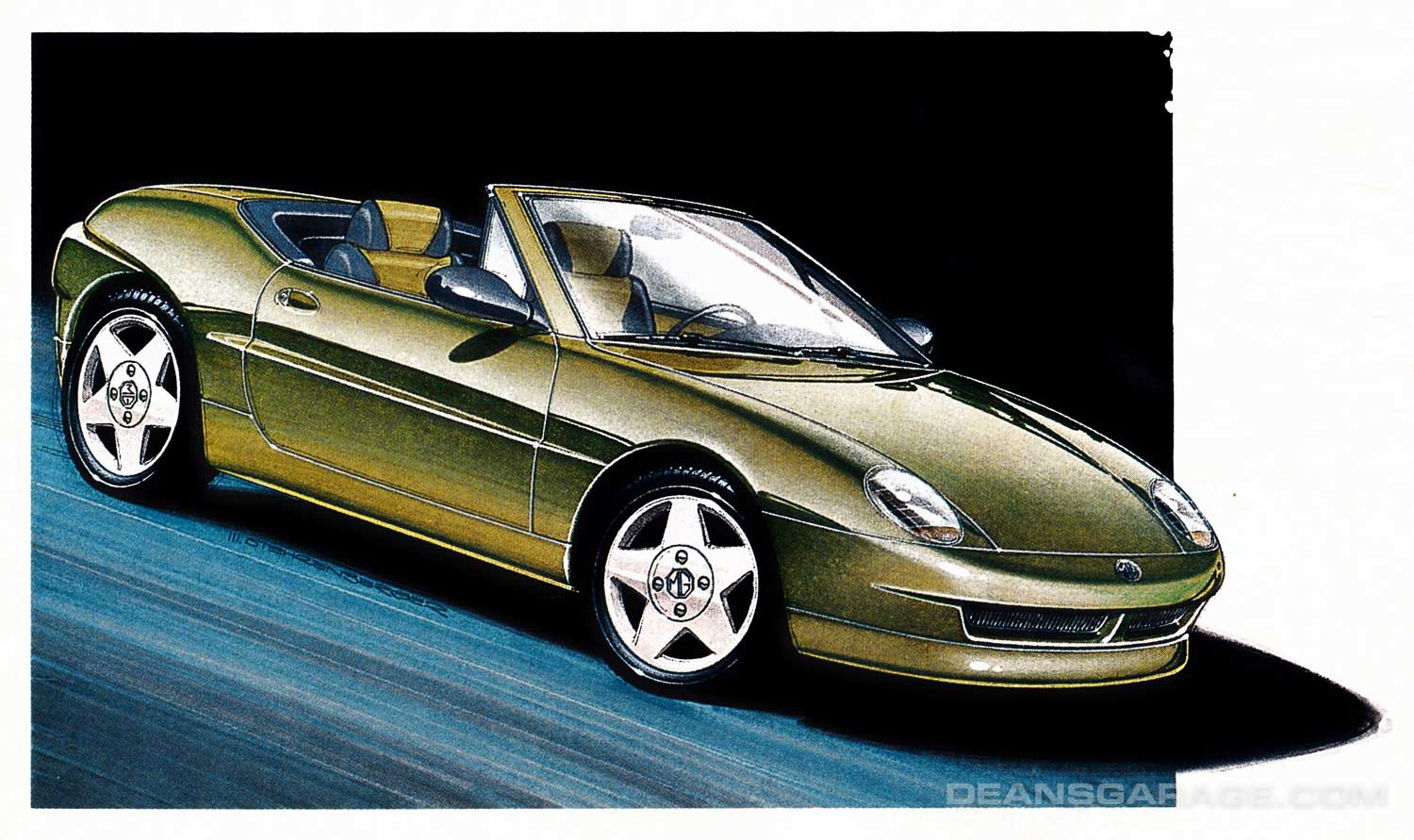
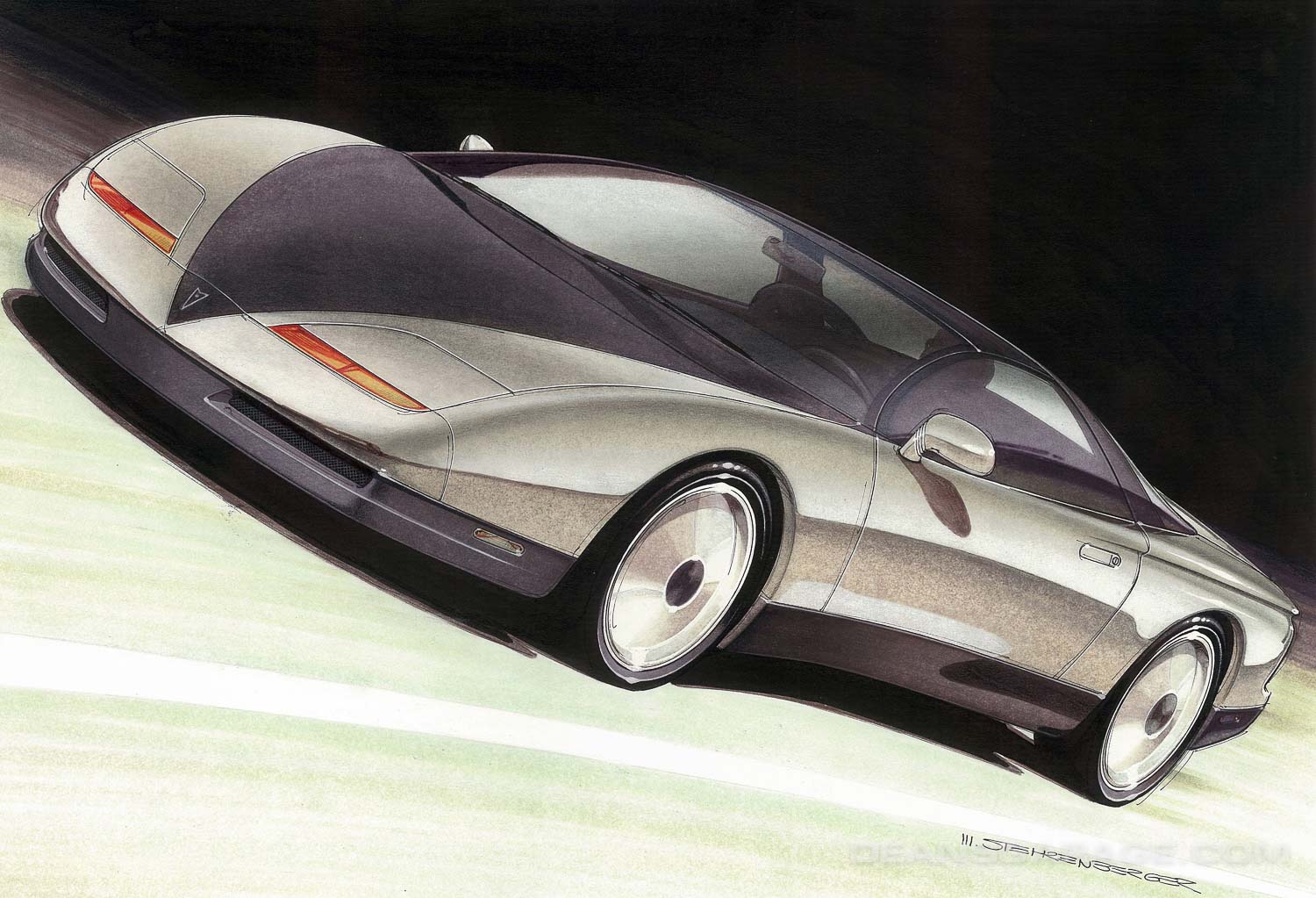
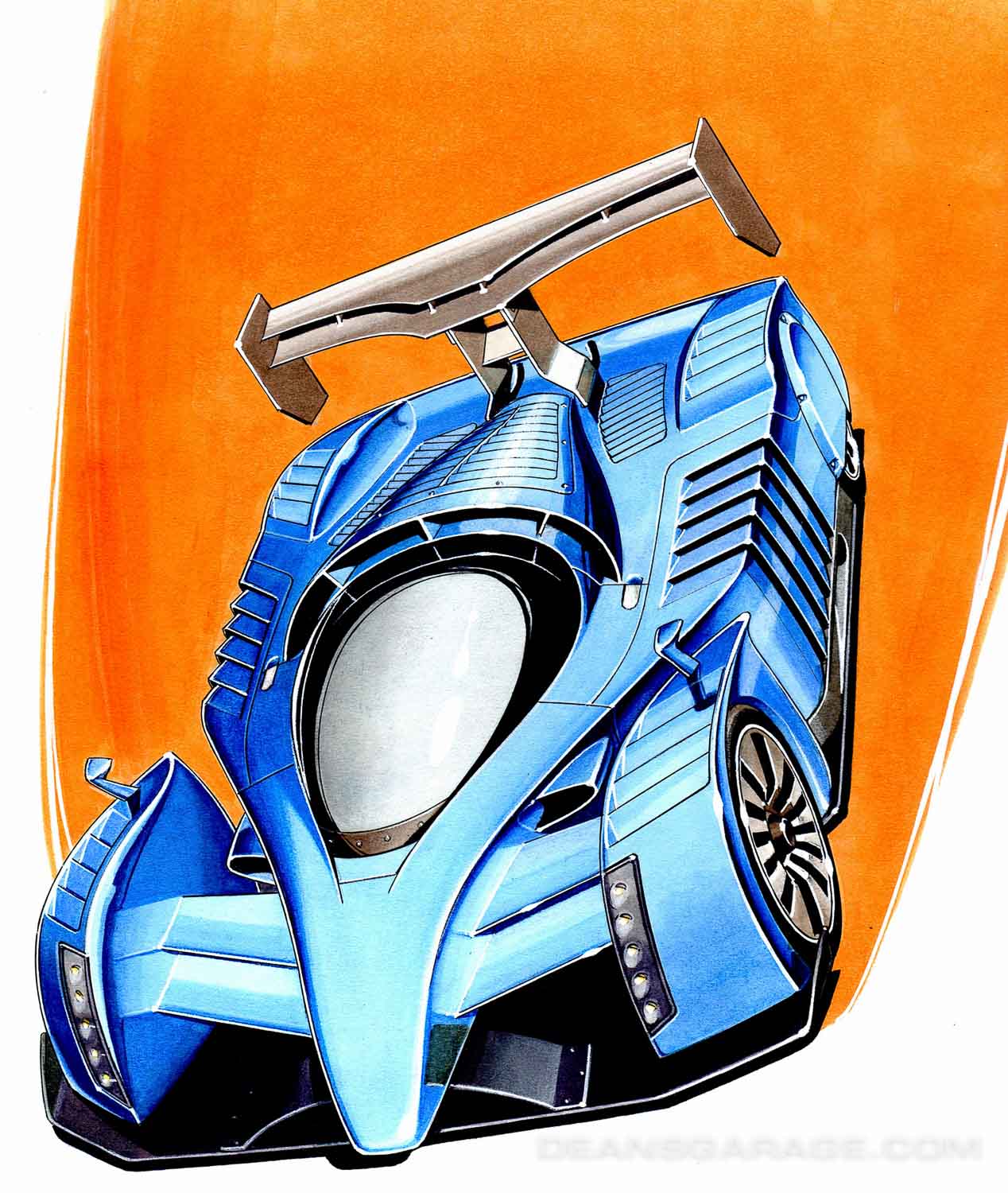
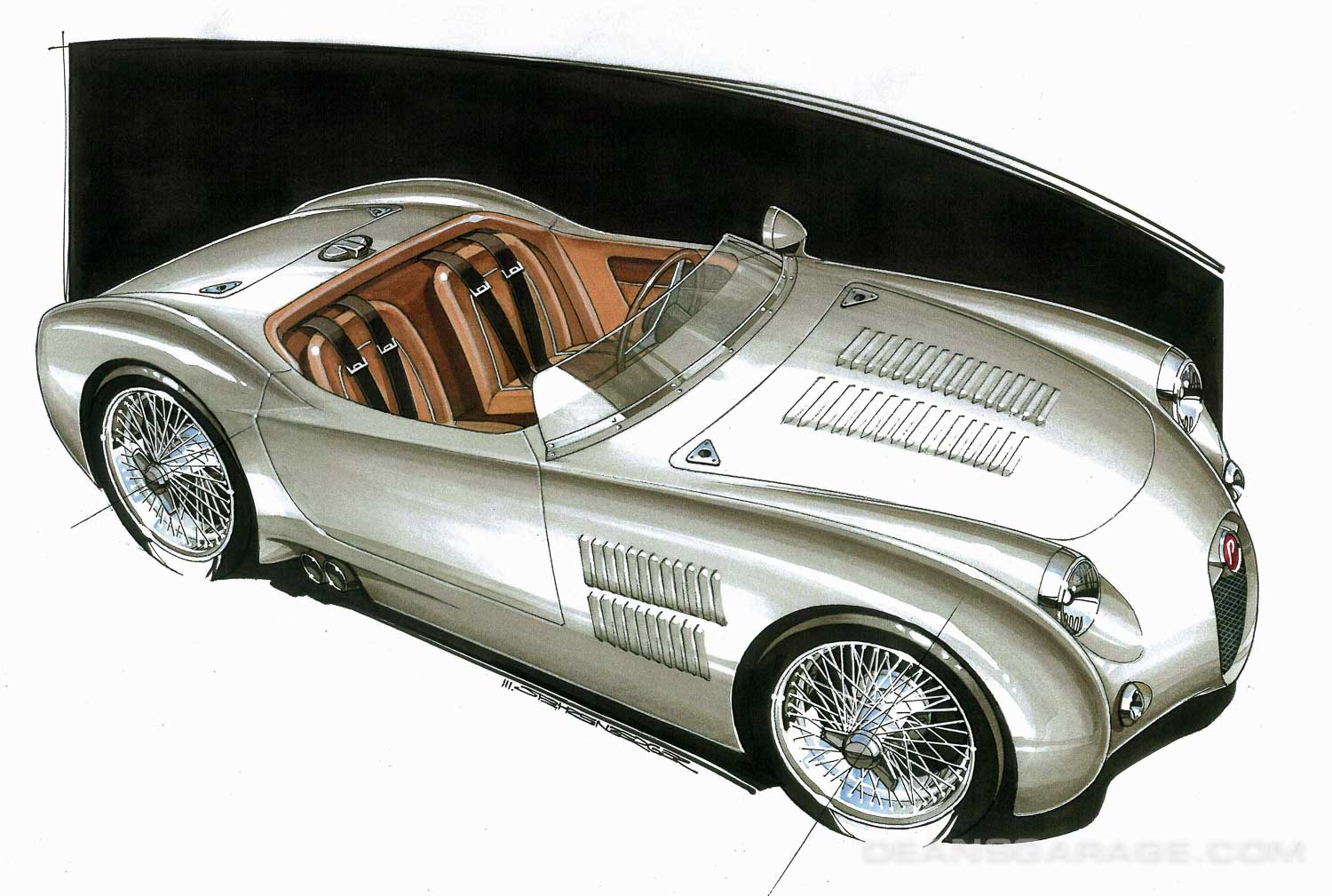
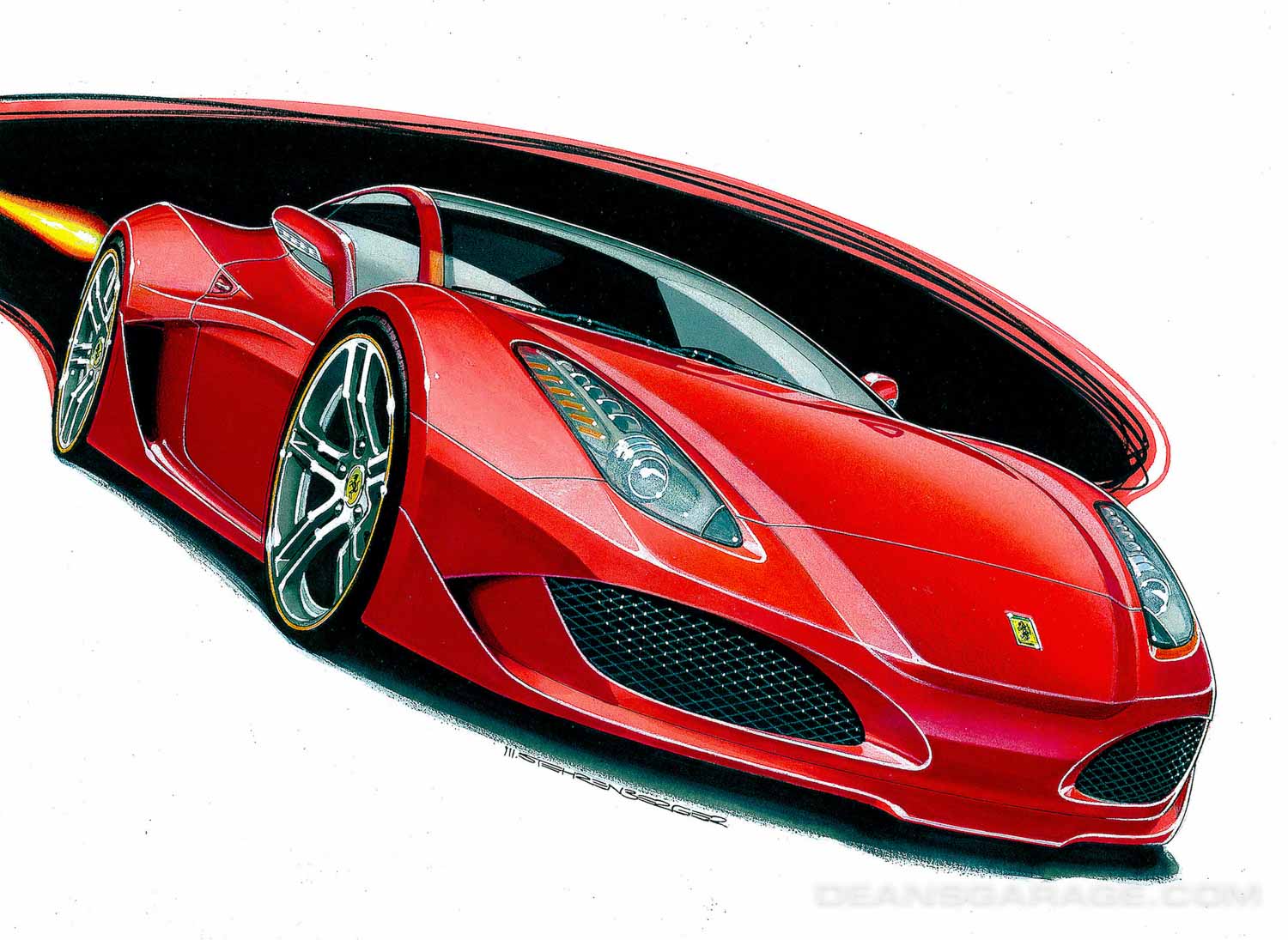
“I used primarily pen and ink, markers, and designers’ gouache on illustration board. I painted in watercolor in the past but moved on to ink markers exclusively. Now I help myself too using some of the modern computer tools. I never had an agent for my illustrations in the 50+ magazines, but had/still have one for commissioned artwork here in USA.” The number of scoop illustrations published by these magazines and so many others from the early 1970s had become unaccountable. But this of course could not satisfy him.
“In 1987, I was offered to teach car design on a part-time basis at my old school, the Art Center College of Design in Pasadena. After they opened a European campus in Vevey VD, Switzerland, I was invited to teach there as well. 15 years all in all. In my absence, Switzerland underwent a giant change, and women finally got to vote. To get more involved in the bubbling European design scene and to better serve my clients there, l moved back to Montreux VD with my new American wife and opened MSD (Europe)—alongside his newly reborn MSD in Santa Barbara. After my father passed away at age 99, we returned to California. This was 2007.” By this time, his clients included Renault, Peugeot, Jeep, Rolls Royce, Subaru, Ford Toyota, Nissan, BMW, Volkswagen, Kia and others. Some still call him to make a review/critique of a clay model before the design is ‘frozen.’
Mark’s work, followed by many fans on both sides of the Atlantic Ocean, has been featured in TV, radio, and magazine articles in many countries, which made him a much sought after guest speaker and commentator. He has written, produced, and hosted radio and TV shows in the U.S. and Europe with focus on car design. Naturally he has been a judge member at various Concourses d’Elegance and other car events in the U.S.
He’s now over 80 residing alternately in Oxnard, California and Montreux, Switzerland. He’s still an active designer, a positive character, an avid tennis player, an irrepressible dancer from rap to the Wiener Walzer, a skilled chef and a proud human being for, among other transcendental matters, “having left a positive and lasting impression on my former design students who are climbing the corporate ladder to become design chiefs at the major car companies.
“I’m very proud of my family, all of whom are successful in their respective fields and lives. They turned out great, my three marriages not so great! Six grandchildren so far and more to come, I hope. I want my kids and grandkids to have all the things I couldn’t afford because of them. Then I want to move in with them. However, the last thing I want to do is to bankrupt them. But it’s still on my bucket list!”
Regarding his nowadays activities, Mark claims: “I design (and develop) one specially-designed and hand-made vehicle per year for people in the film and music industries using mostly BMW gear. I also keep quite busy with other, non-automotive, product design and development and young womens’ fashion. I intend to do this until I fall off my stool for the last time.”
This article would of course have been impossible without the patience and full support of Mark Stehrenberger, to which we remain grateful.
Edited by Gary Smith
1960–1979
1980s







1990s






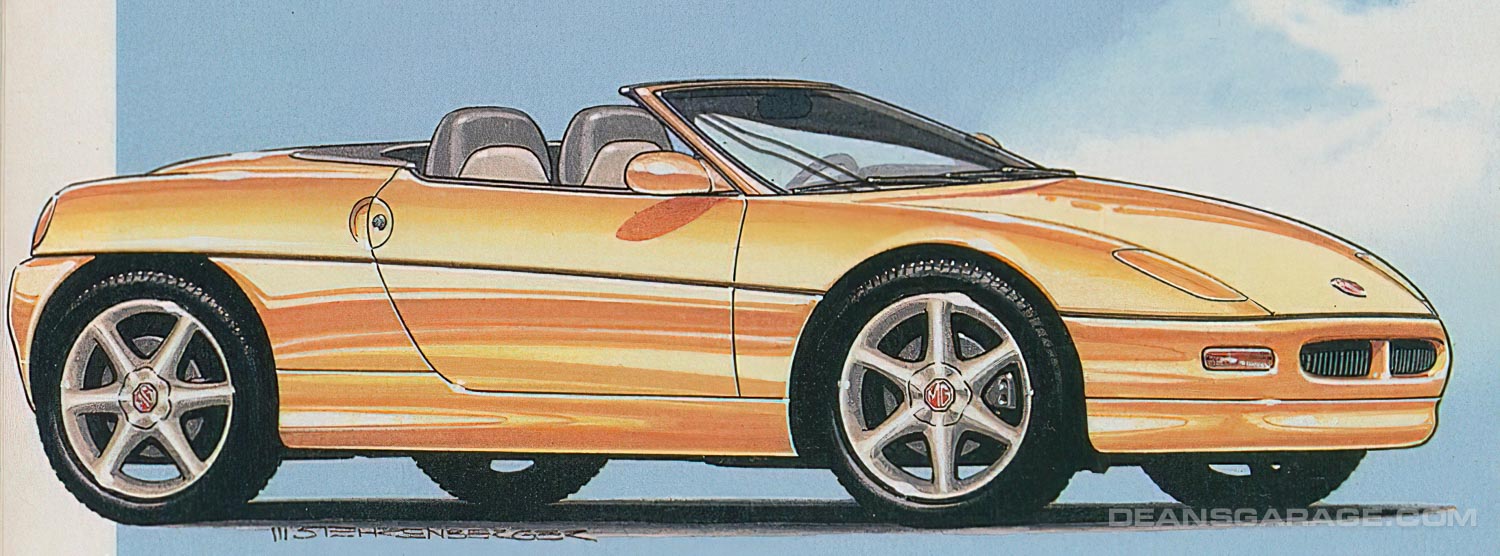

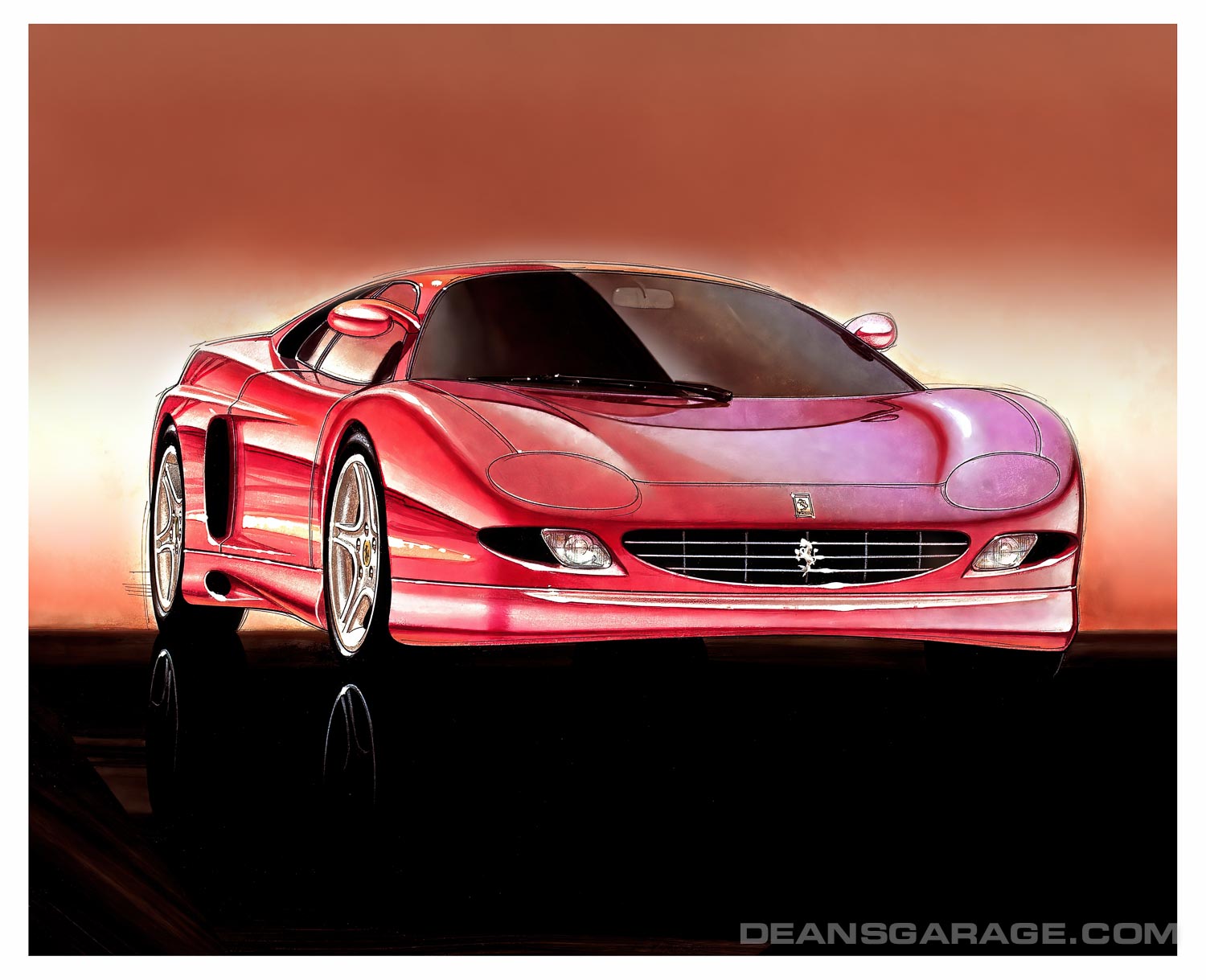
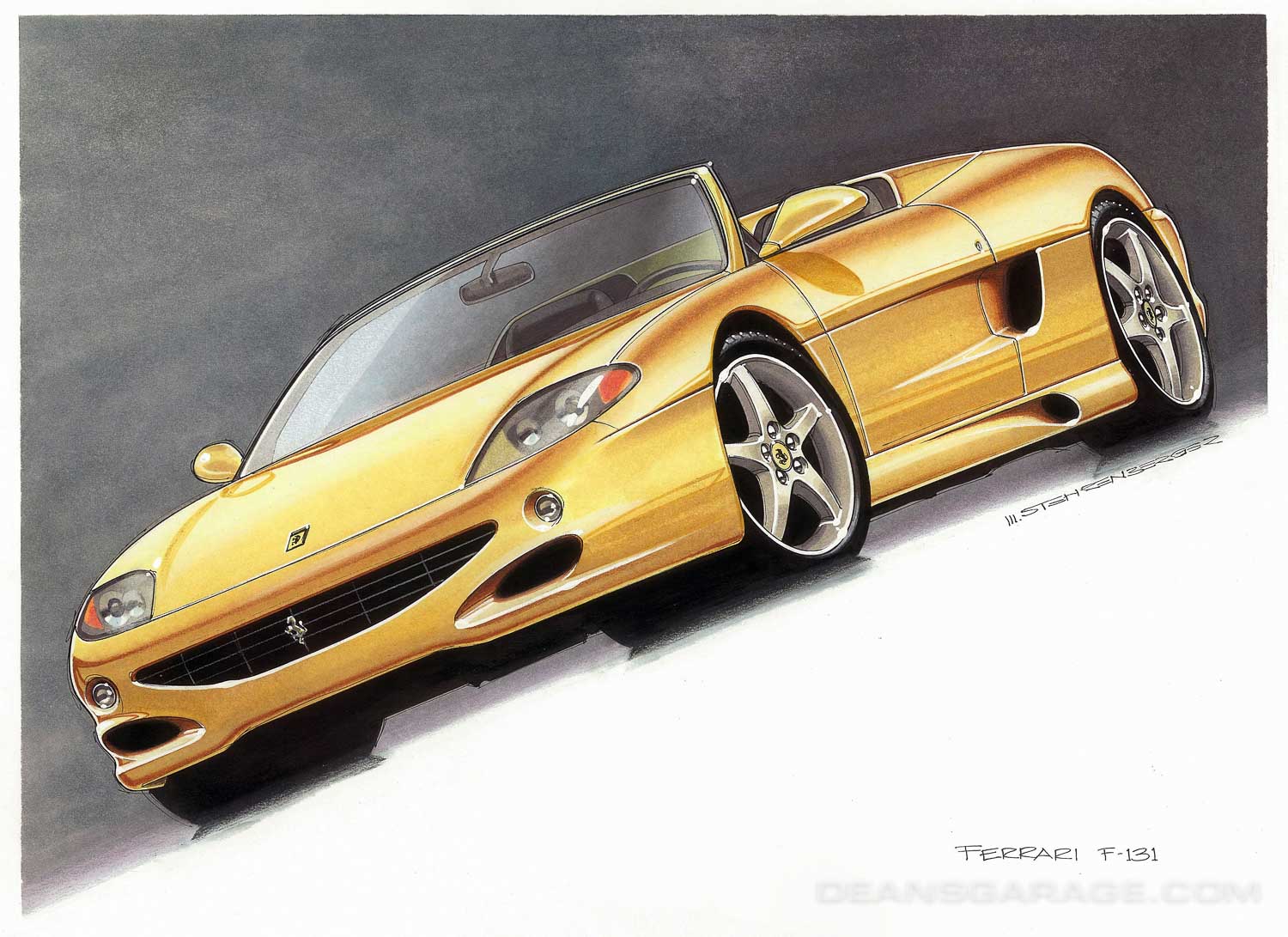
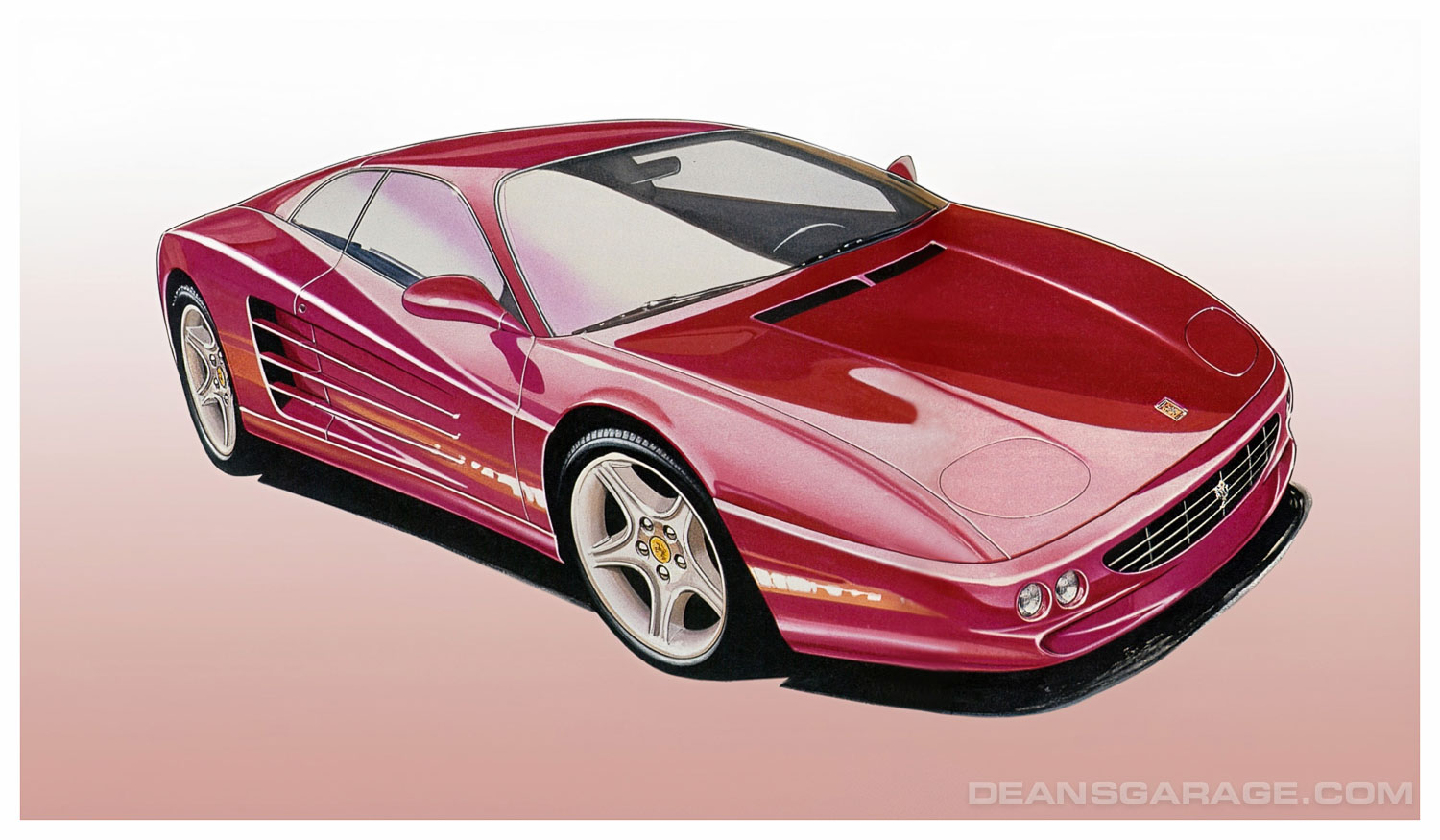


2000s

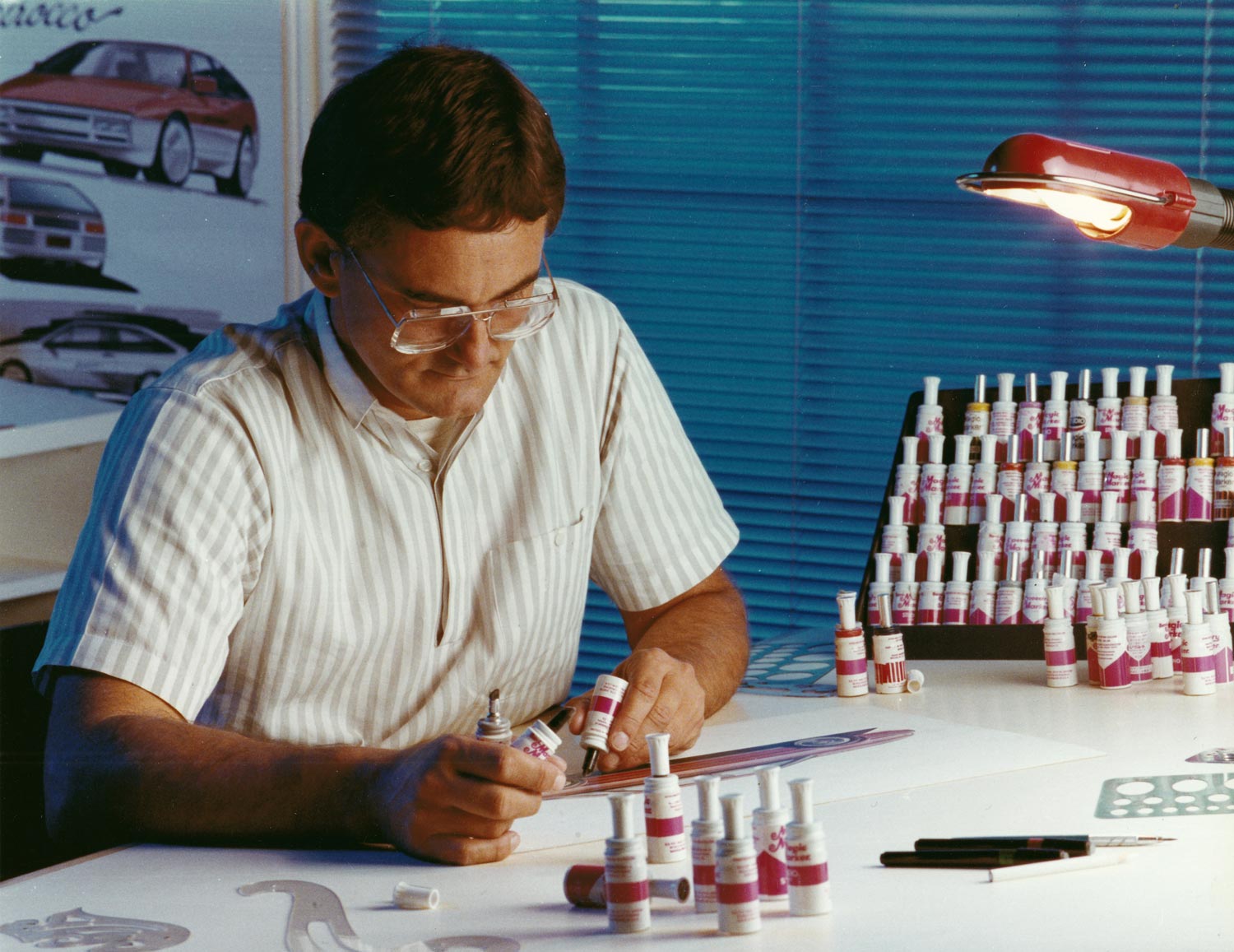
It brings back memories seeing the photo of him drawing with old Magic Marker brand markers. It’s a miracle that more artists didn’t succumb to the fumes back in the day! But he did use them brilliantly in his illustrations!
What an inspiring story!
We all soaked up every detail of Mark’s exquisite sketches on the covers of Autoweek and Road & Track for many years. Thanks Gary, it was great to hear the backstory of such a prolific and profound artist.