

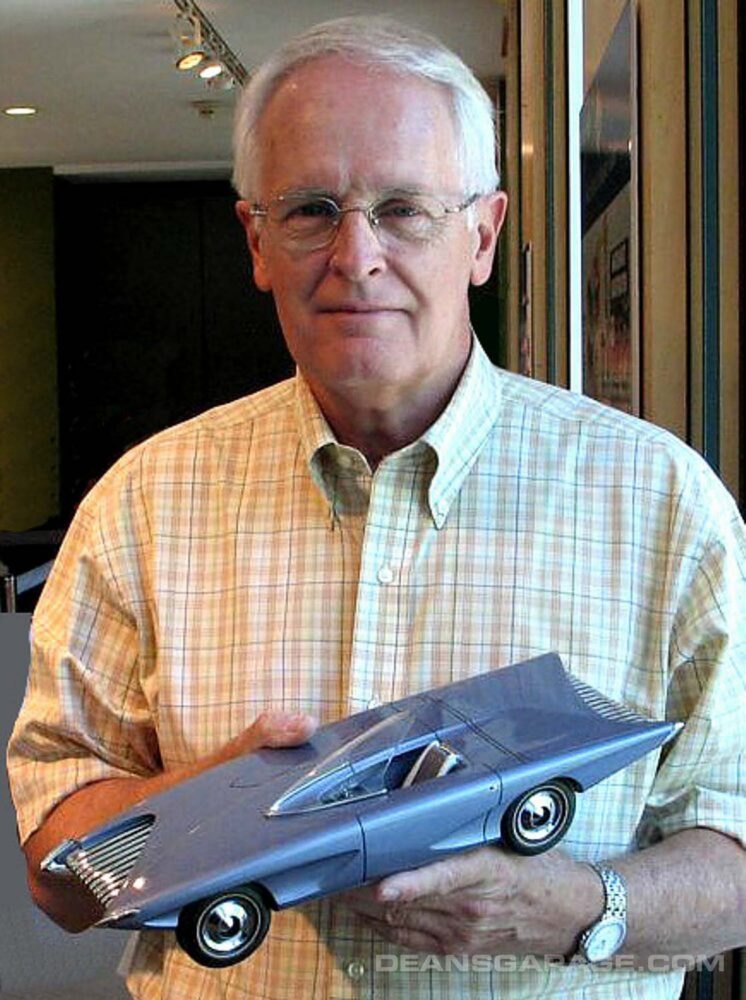
 Ron Will’s Story
by Ron Will
Like many of you, my early years back in Indiana were spent building model airplanes. At age 6 or 7 I built crude solid planes out of scrap wood from the local lumber yard. I colored them with Crayons. But I wanted my planes to really fly. The flying models in the ’40s and ’50s were mostly balsa stick models covered with tissue paper and powered with a rubber band and plastic propeller.
They were tedious to build with thin bulkheads that had to be cut out of printed balsa sheets. Then thin balsa stringers connected them all together with glue.
I eventually gravitated to large 6-foot gliders, Chinese dragon kites, gas model planes, and even used a small Jetex rocket motor engine. Most of them, being fragile, eventually crashed leaving me with only fond flying memories. I also used buggy wheels to build a push-mobile that looked like it came from the “Our Gang, Little Rascals” movies. I named it the “Phantom Flash.” (A premonition of the future.)
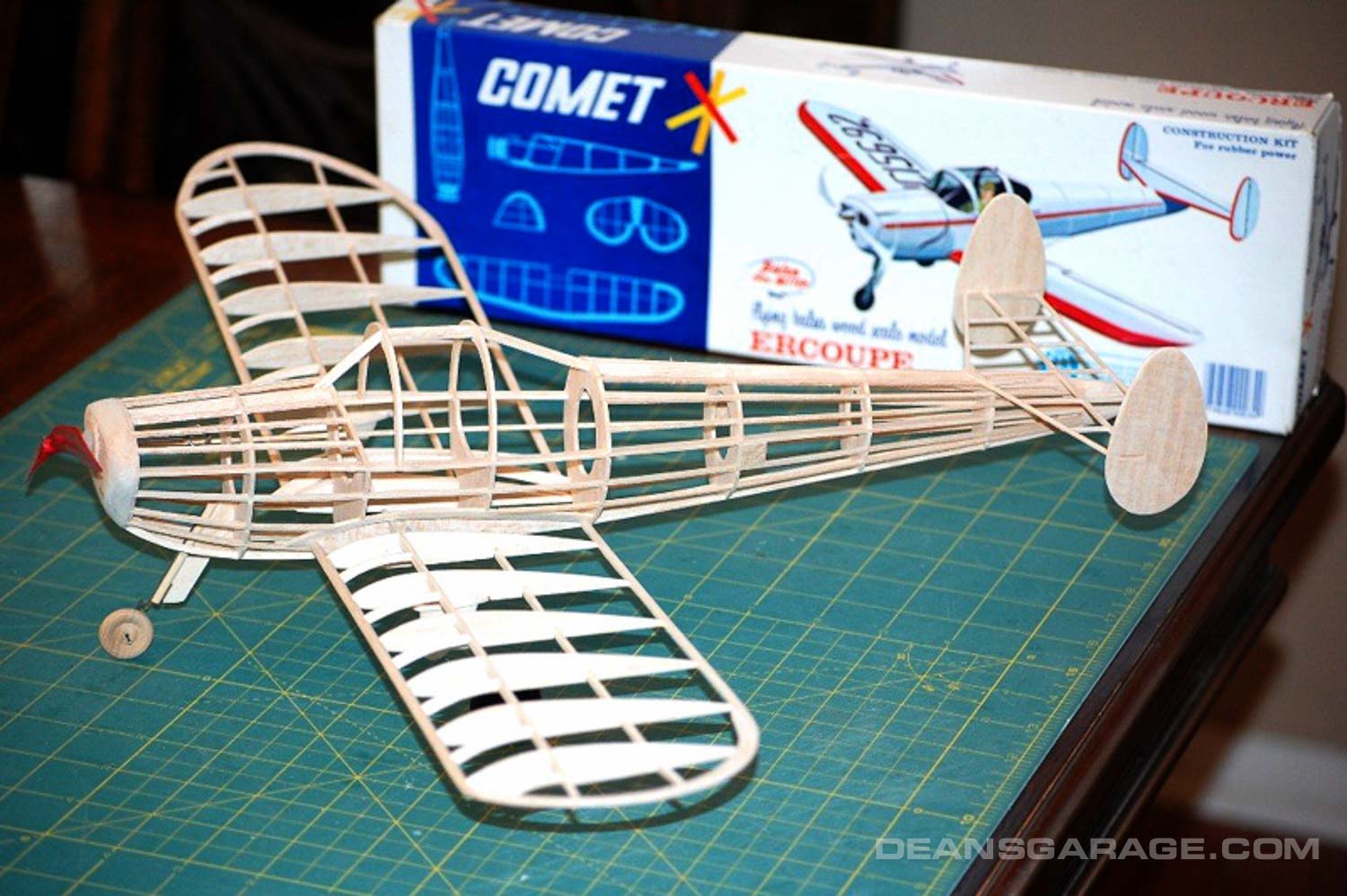
Balsa Comet Flying Model Plane
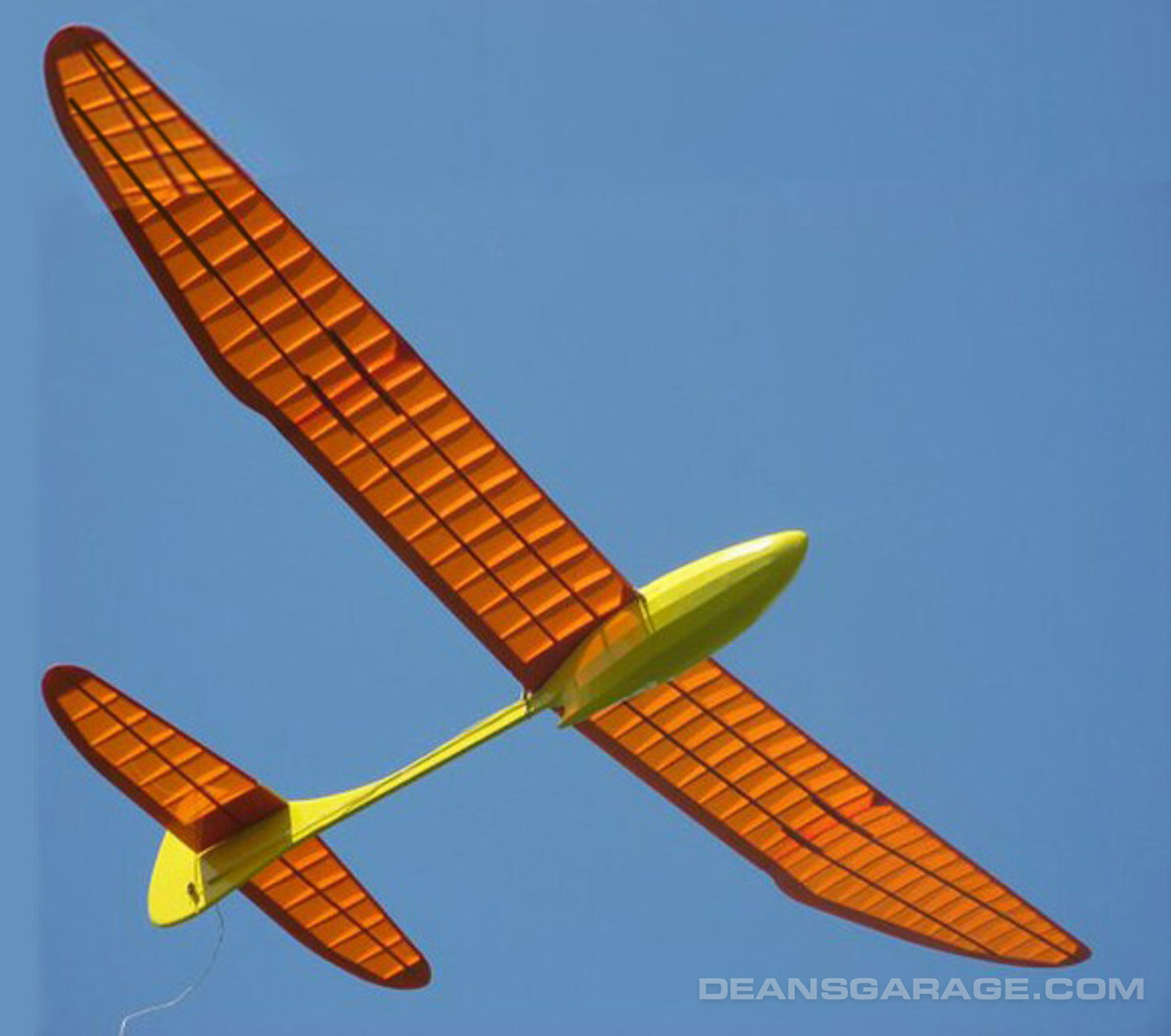
Thermic 72 Glider
What I didn’t realize at the time was that I was gaining a junior education in form and structure that would prove invaluable for the rest of my life in design.
My next step toward car design was the Chevrolet sponsored Soap Box Derby. At age 14 using the same model plane bulkhead and lath stringer method, I made my first car. I didn’t win, but I saw how the winning cars were made and applied the knowledge to my next Derby car in 1958. I won that local race and was headed to the National Akron, Ohio Derby race.
But first, the local Chevrolet dealer wanted their winning car to shine at the nationals. My car and I were sent to the paint shop where I learned how to Bondo, primer, wet sand, and polish a black lacquer finish to a mirror perfection. I won several heats at Akron, but more importantly the painting experience set me up for the next most important step toward car design.
That Chevy dealer also had information on something called the Fisher Body Craftsman’s Guild model car contest. This was now a chance to design a real car.
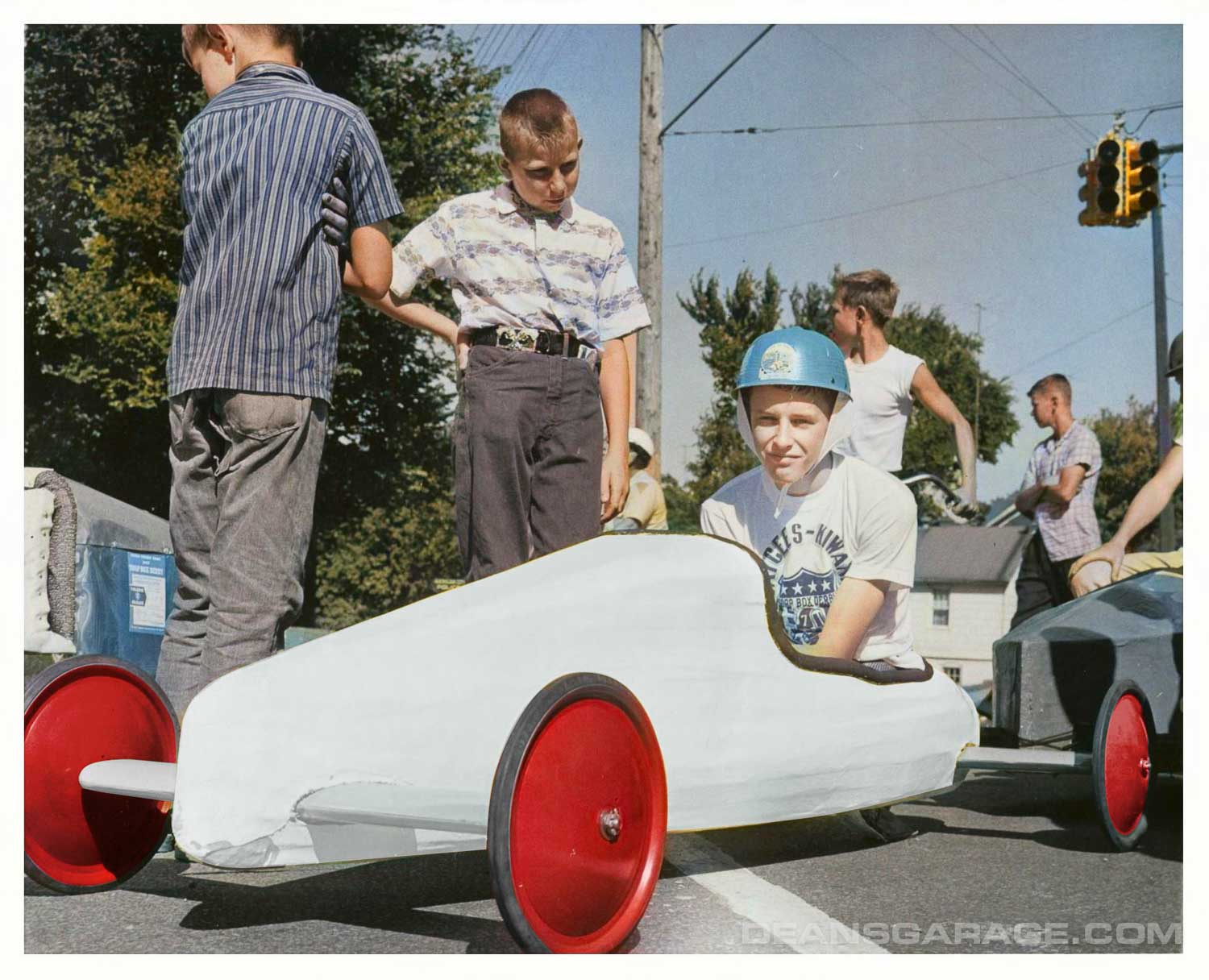
1957 Michigan City local Soap Box Derby. Age 14.
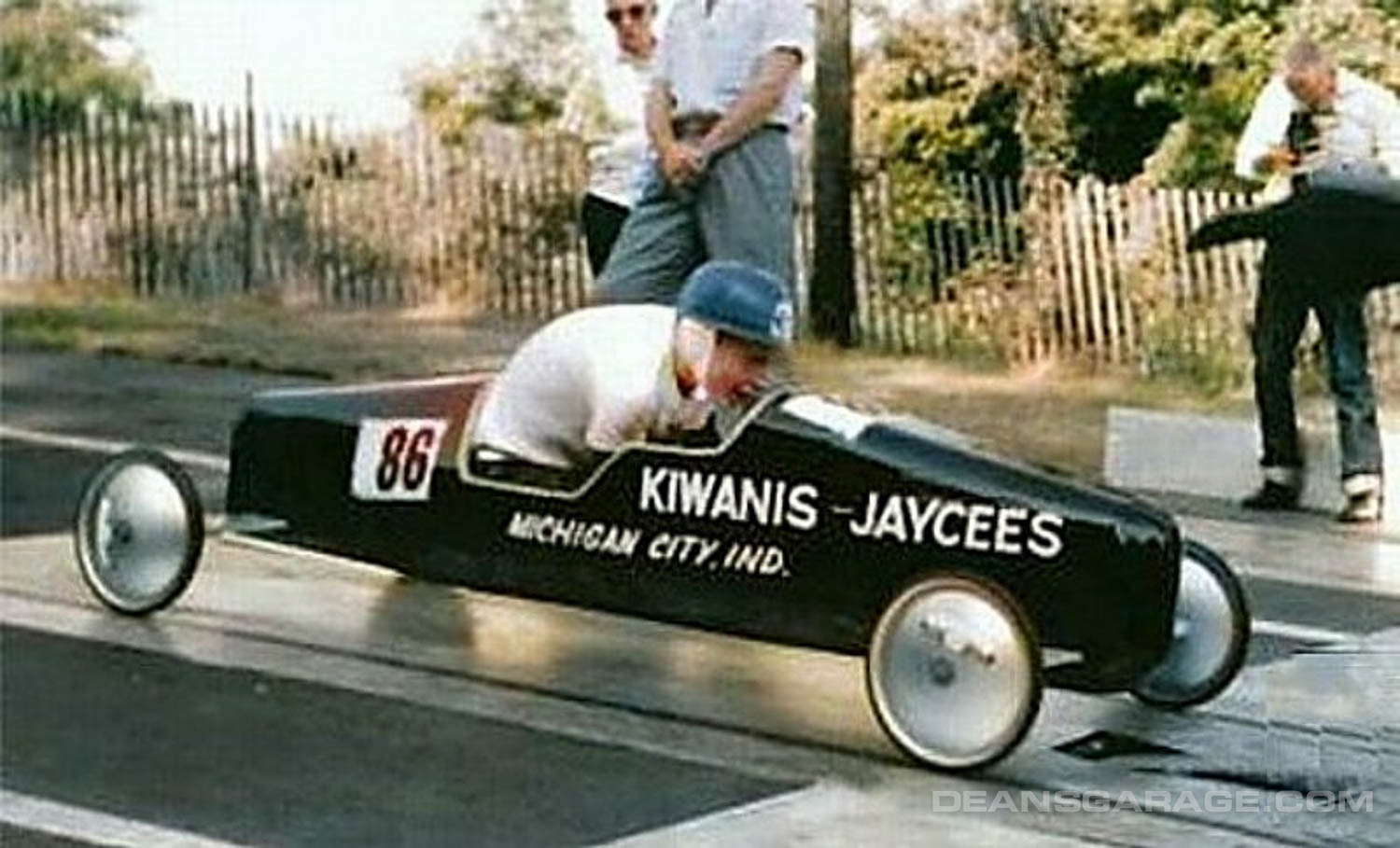
1958 National Soap Box Derby. Akron, Ohio. Age 15.
Fisher Body Craftsman’s Guild
My first attempt was a 1/12th scale sports coupe carved from poplar wood. It only won an honorable mention in 1959, but my appetite for car design was growing stronger.
At age 17, my next model in 1960 was a state and regional winner. That win allowed me to go to the annual Guild convention in Detroit. I didn’t win a national award, but I could now see the extreme detail and attention to design I would need to become a top winner. Talking to the design judges also helped me set a course for 1961. (Recently I used Photoshop to see what the 1960 model would look like full size.)
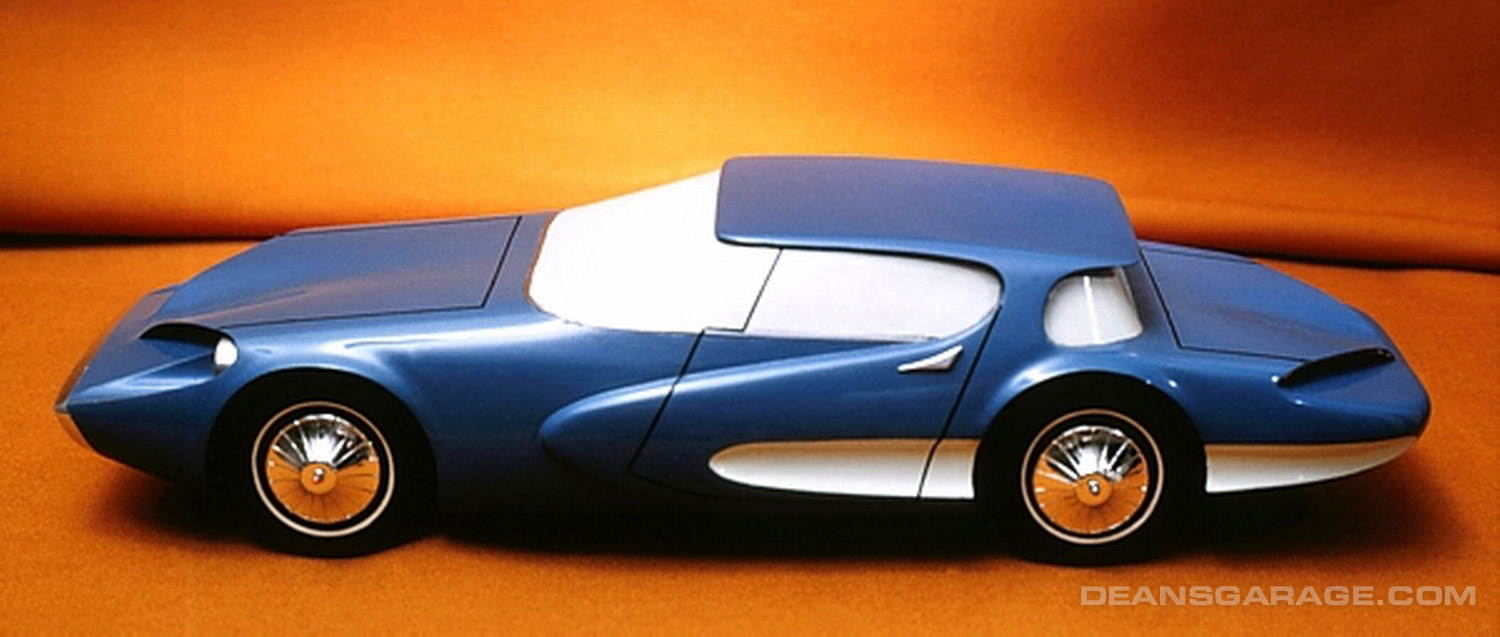
1959—Honorable Mention, Indiana Division. Fisher Body Craftsman’s Guild model. Age 16.
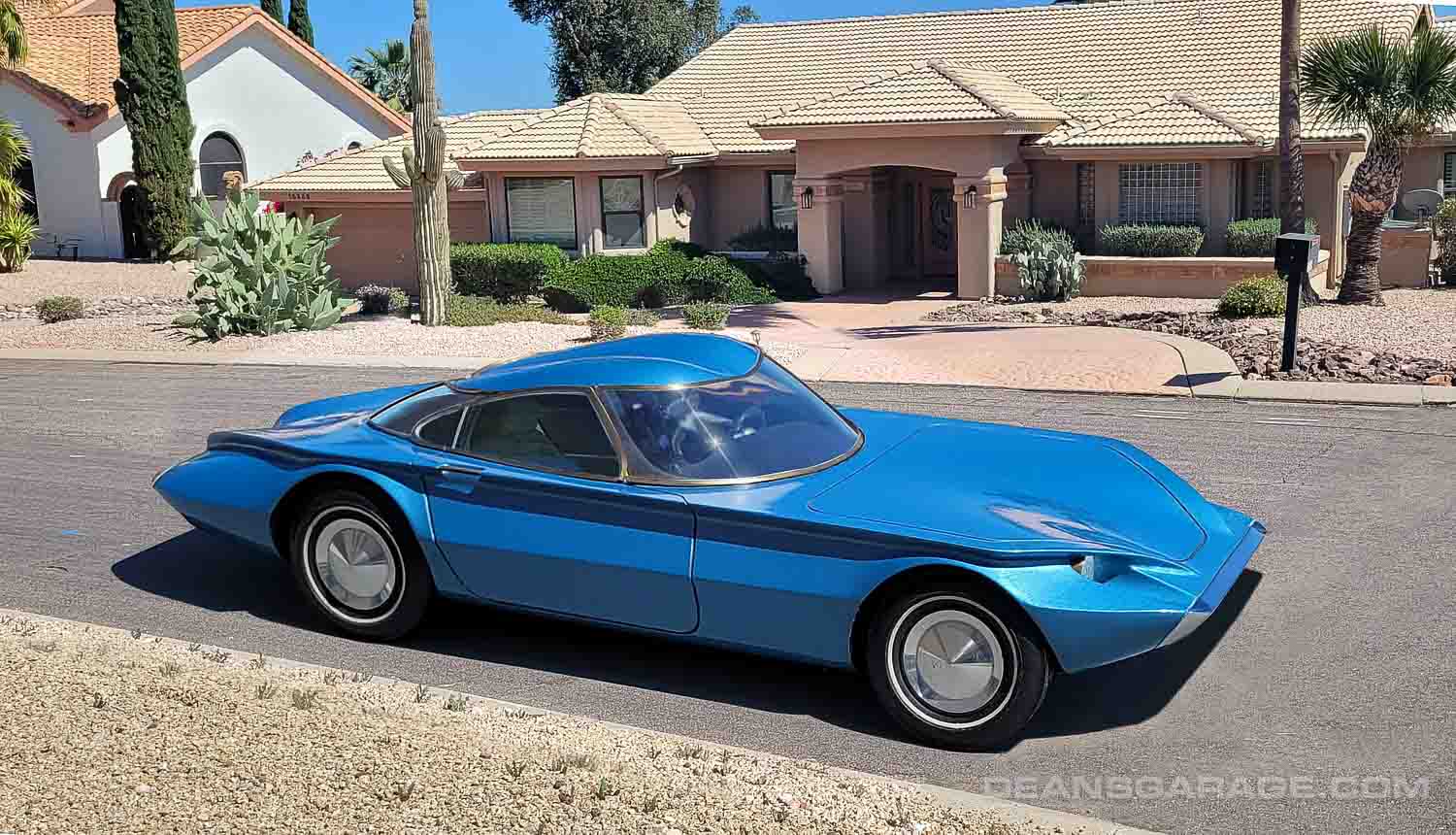
1960—Indiana 1st Place and Regional Award. Fisher Body Craftsman’s Guild model. Age 17.
Fisher Body Craftsman’s Guild—First Place National Senior Award
In 1961 I would be going off to college and it would be my last model, so I had to do something dramatic. My inspiration was the 1960 Plymouth NSX Asymmetrical concept car.
It was a gamble to go asymmetrical, but the gamble paid off with the First Place National Senior Award. I was told that my asymmetrical win set off a flurry of asymmetrical Guild entries in 1962 that were often far from attractive.
Previous Dean’s Garage posts regarding the Fisher Body Craftsman’s Guild:
Fisher Body Craftsman’s Guild, Part 1
Fisher Body Craftsman’s Guild, Part 2
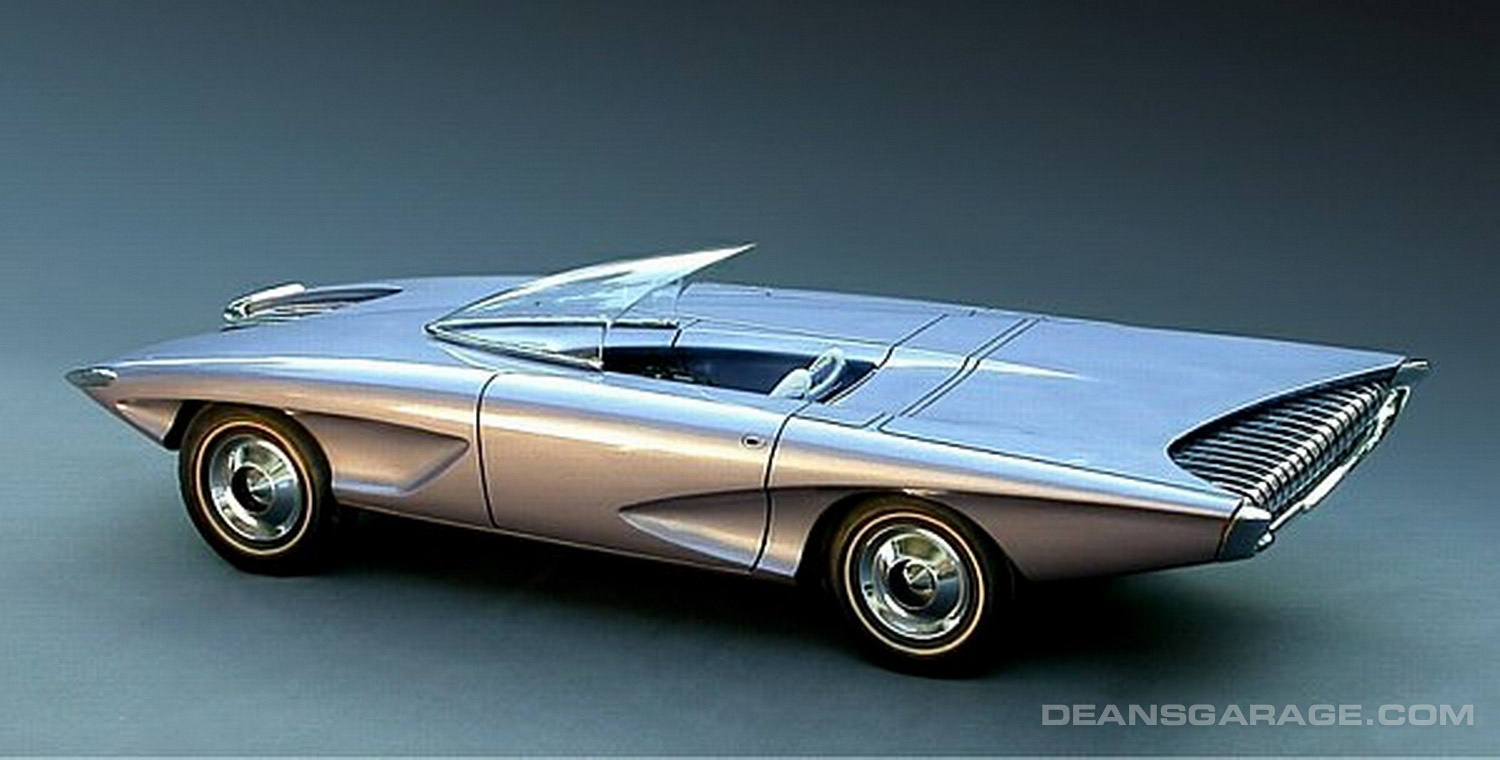
1961—First Place Guild National Senior Winner. Age 18.
Illinois Institute of Technology
I had already applied and was accepted to the Art Center College of Design in Los Angeles. However, Bill Porter, excellent designer and GM studio chief, convinced me to get a different education.
As a result, I went to Purdue for a basic education, then on to the Institute of Design at the Illinois Institute of Technology in Chicago.
I did not get the automotive drawing skills of Art Center, but I did get the skill to make working product designs from beginning to end. One of them was this commuter vehicle.
Larry Falloon (in the apron) would also be hired by GM Design (GM Styling at the time). I was a student at I.I.T. while (GM designers) Al Flowers, Charlie Graef, and Brian Skogler (Ford) designers were also getting their I.I.T. design education.
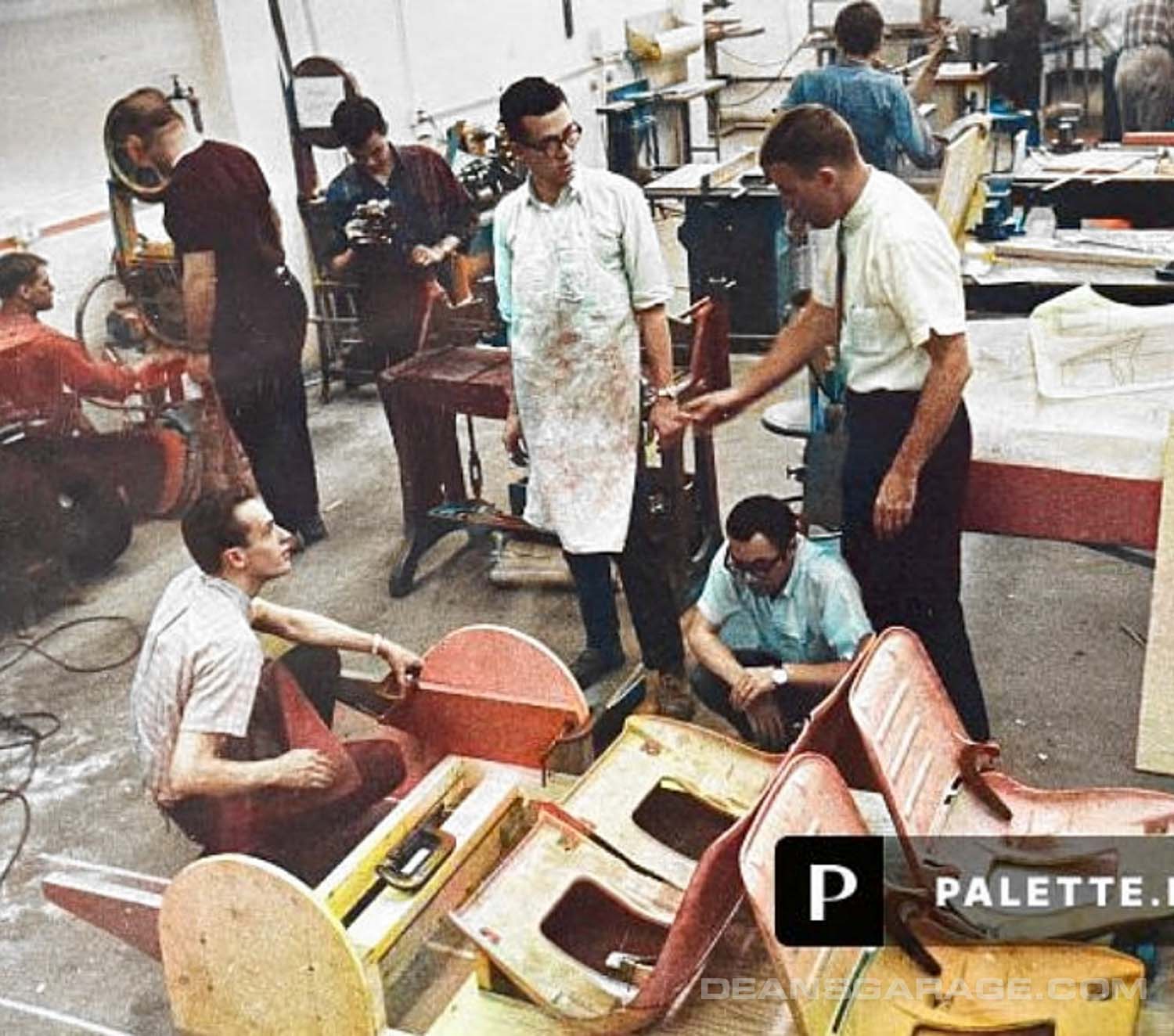
I.I.T. Institute of Design Model shop. Ron Will lower left, Larry Falloon GM in Apron. Commuter project.
GM Summer Student Design Intern Program
In my junior year I was lucky enough to be selected for the GM Summer Student Design Intern Program. This felt like a dream come true. I would be spending the summer in the Design Development Studio at GM Styling also known as the “fish bowl.” (It was called the “Fish Bowl” because it could be seen from the street and was often part of styling tours.)
Each of the 10 summer students had to pull a project paper out of a hat, e.g. sports car, sedan, pickup, convertible, coupe etc. My heart dropped as I selected MOTOR HOME!!!
What could be worse to make an impression on GM than a big boxy Motor Home? Once again, I somehow managed to make a silk purse out of a sow’s ear.
I also had a great modeler, Dave Rossi, who turned my sketches into a sleek design. Chuck Jordan was really taken by my FWD Toronado engine design, as I explained not only the exterior, but also the full working interior model features.
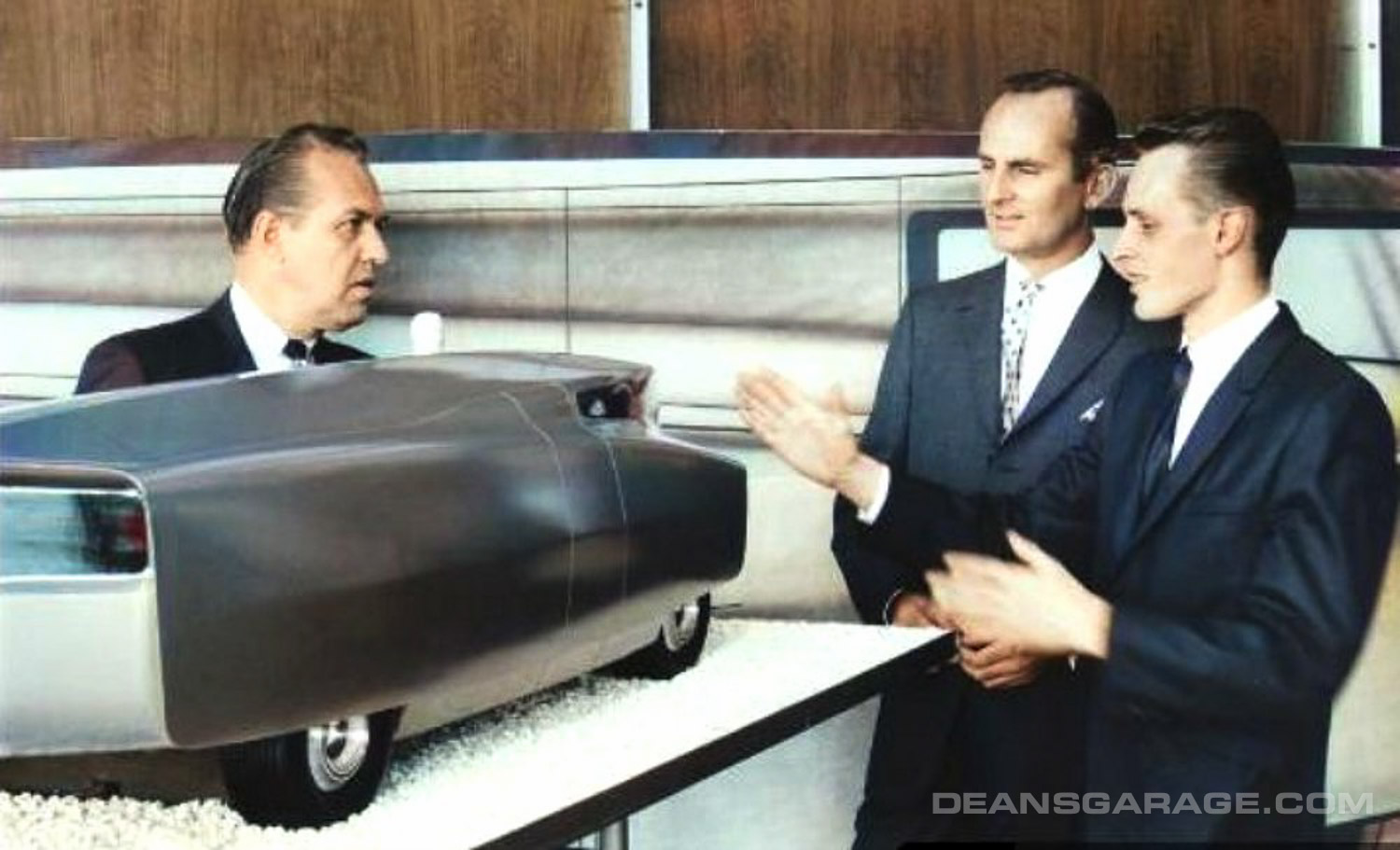
1965 GM Intern Program. Motor Home Design. Paul Gillan, Chuck Jordan, and Ron Will.
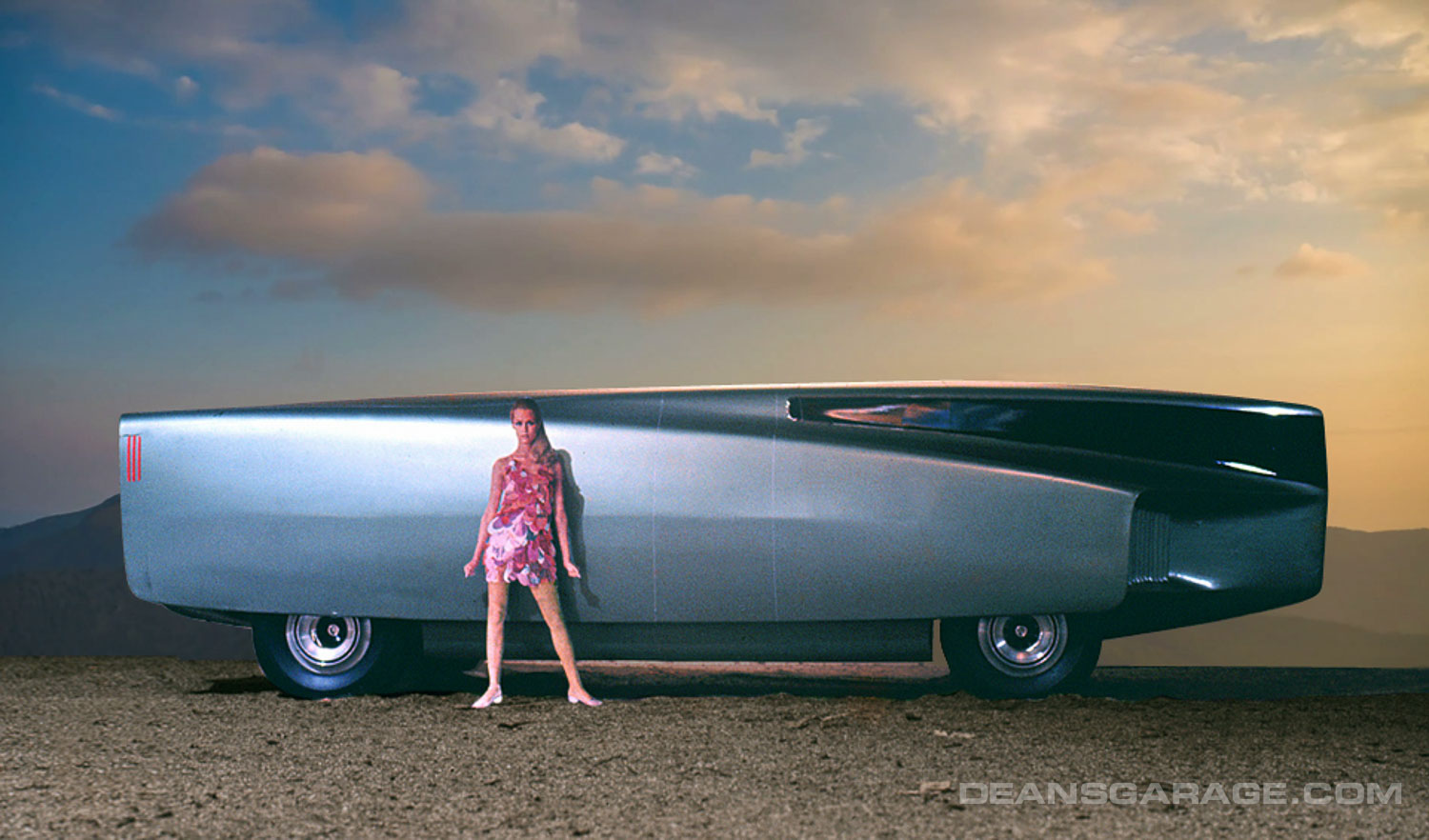
Four passengers have window seats behind the driver.
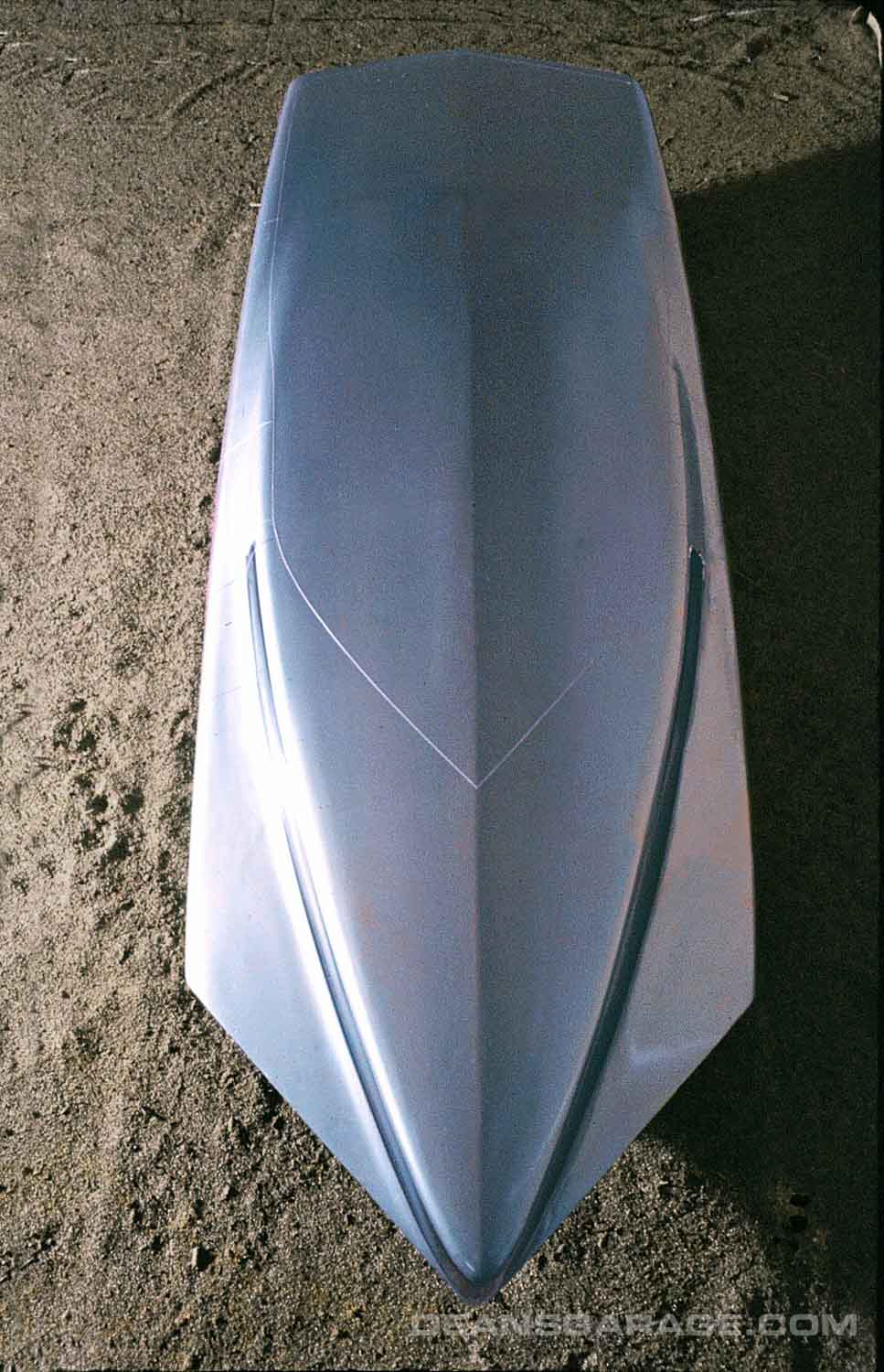
Plan view. The driver sits up front with a wide view of the road.
GM Design Staff
The following year, 1966, I was hired by GM full-time and spent 10 enjoyable years between Advanced Olds (Toronado), Chevy 1 studio (Chevrolet, Monte Carlo), Cadillac Studio (Eldorado), and of course my favorite Chevy 3 Studio, (Corvette, Camaro, Vega, and Monza) where I also worked on the Aerovette and the XP-898 foam sandwich show car.
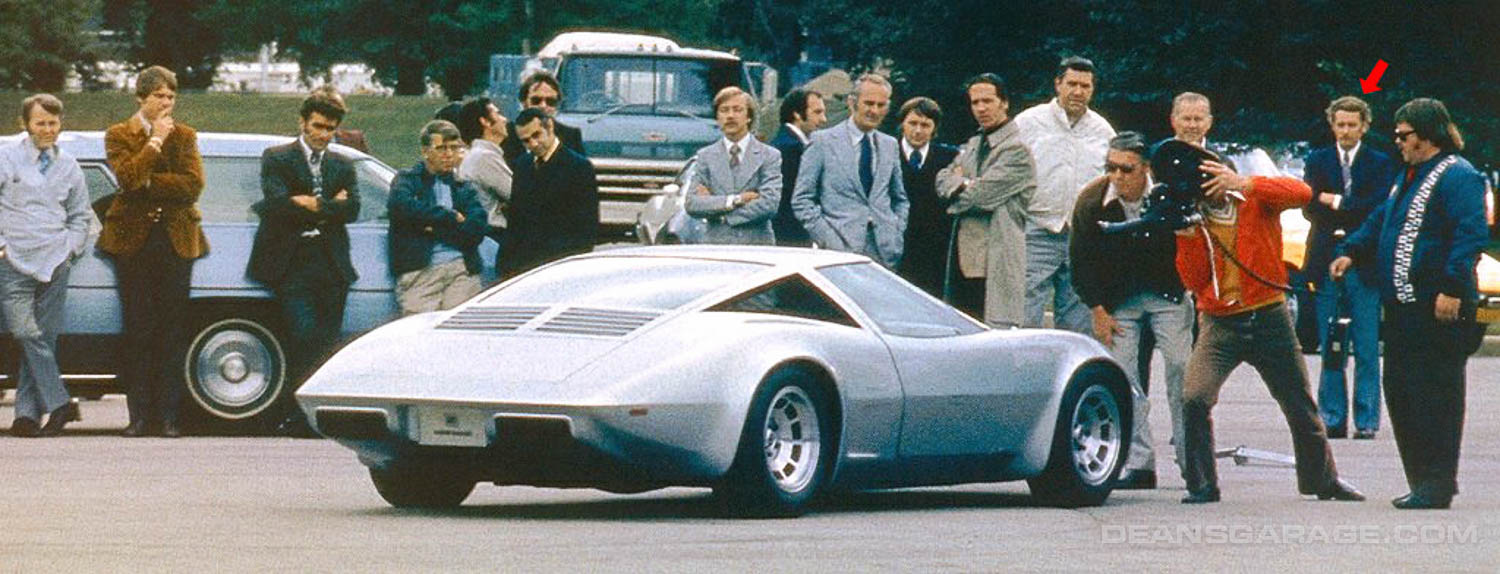
Aerovette first showing on the Tech Center Ride Road. Don Roper, Chuck Jordan, Jerry Palmer center. Me, far right arrow in bell bottoms.
Aerovette Design
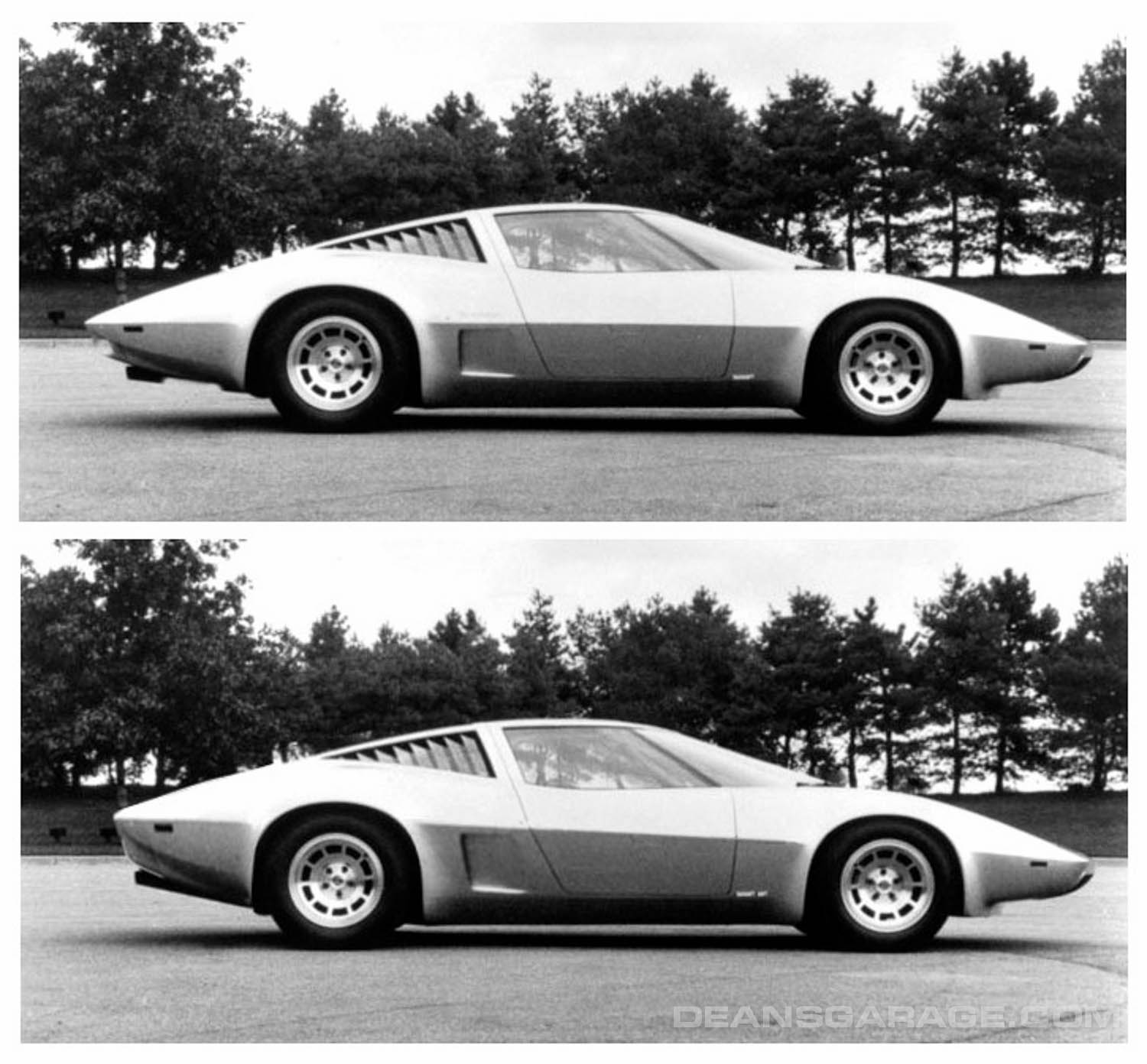
The Aerovette was sometimes criticized as being a “double ender” with little forward direction. I tried my hand at correcting this. The top photo is the original Aerovette. In the bottom photo I have introduced a little wedge in the design, shortened the tail, upswept the exhaust and given the side scoop a little more angled direction.
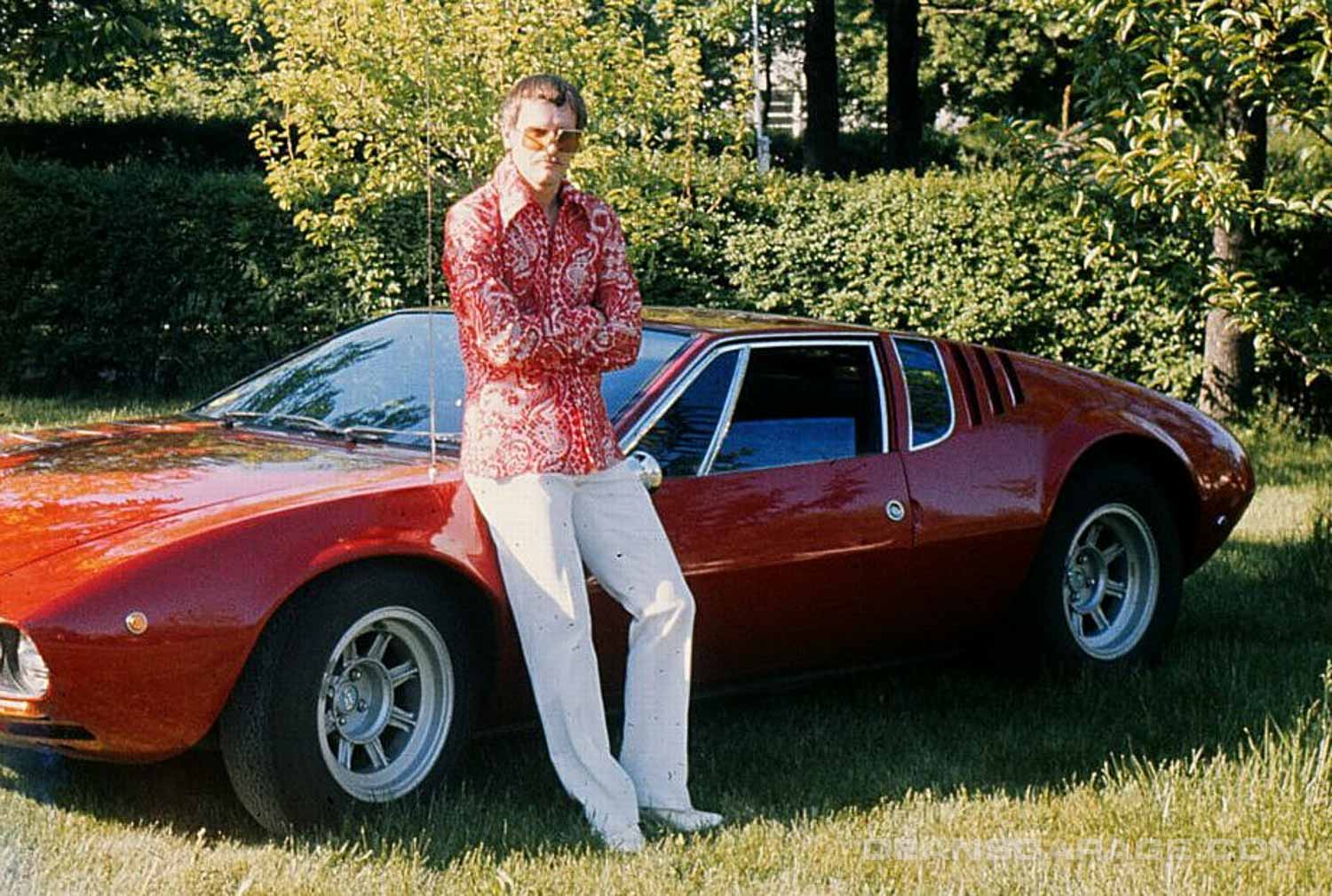
1971 Mangusta
My career at GM was interrupted by serving over a year of active duty in the Army Security Agency reserve. When I returned, I wanted to dress in the opposite of my Army greens. I think I went too far. At least my Mangusta was well dressed.
Paper Model Gliders
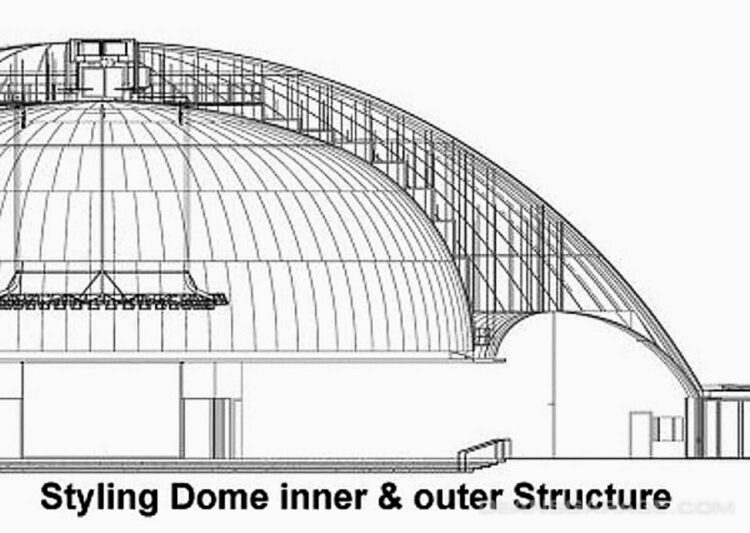 While at Styling, a good friend, the late Bob Lovejoy, and I would build paper model gliders. At lunchtime we would go in the back door of the Styling dome and climb up to the top between the inner and outer structure. At the top we would open the center hatch and fly our models down and compete to see whose model would remain in flight the longest. It was quite an awesome view looking straight down into the dome. Luckily we were never caught.
The XP-898
In spite of working my dream job at Styling, I still had the itch to design my own car. The XP-898 I helped design was built like a surfboard with urethane foam between two layers of fiberglass.
That would be my ticket to designing and producing my own car. I actually designed my new car while still at GM.
Side note: DeLorean left GM at the same time to build his dream car, that also featured a foam sandwich chassis under that stainless steel skin.
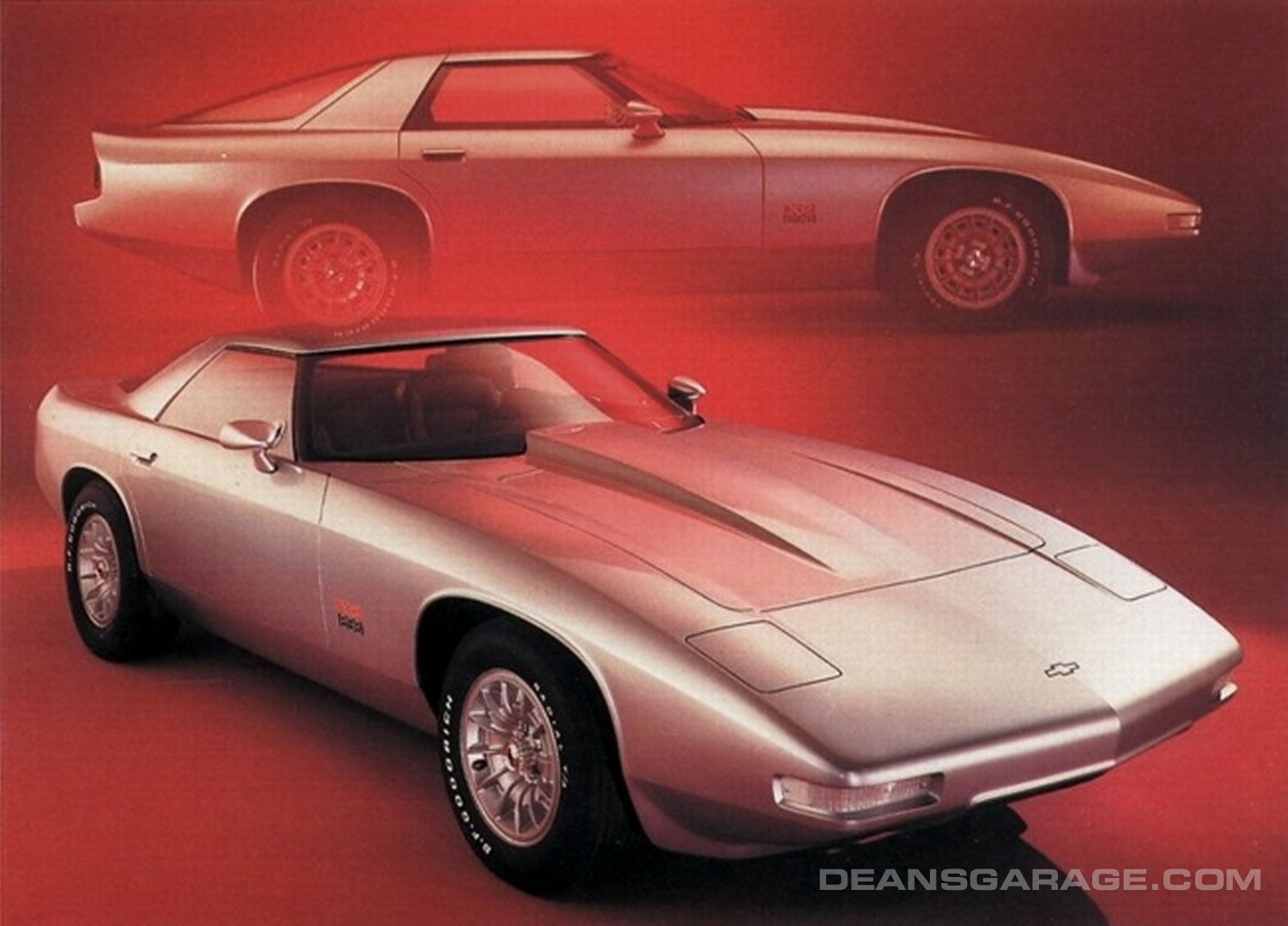
The XP-898 (Vega powered) show car featured sandwich foam body construction.
1/8 Scale Three-wheel Body Fiberglass Model
I built the 1/8 scale three-wheel body fiberglass model and chassis in my basement apartment.
It was built with a Honda motorcycle model for a magazine contest. I ended up winning the open design competition. It was a single seat model with a tube frame. The full size would be a two seater and use the same construction as the XP-898.
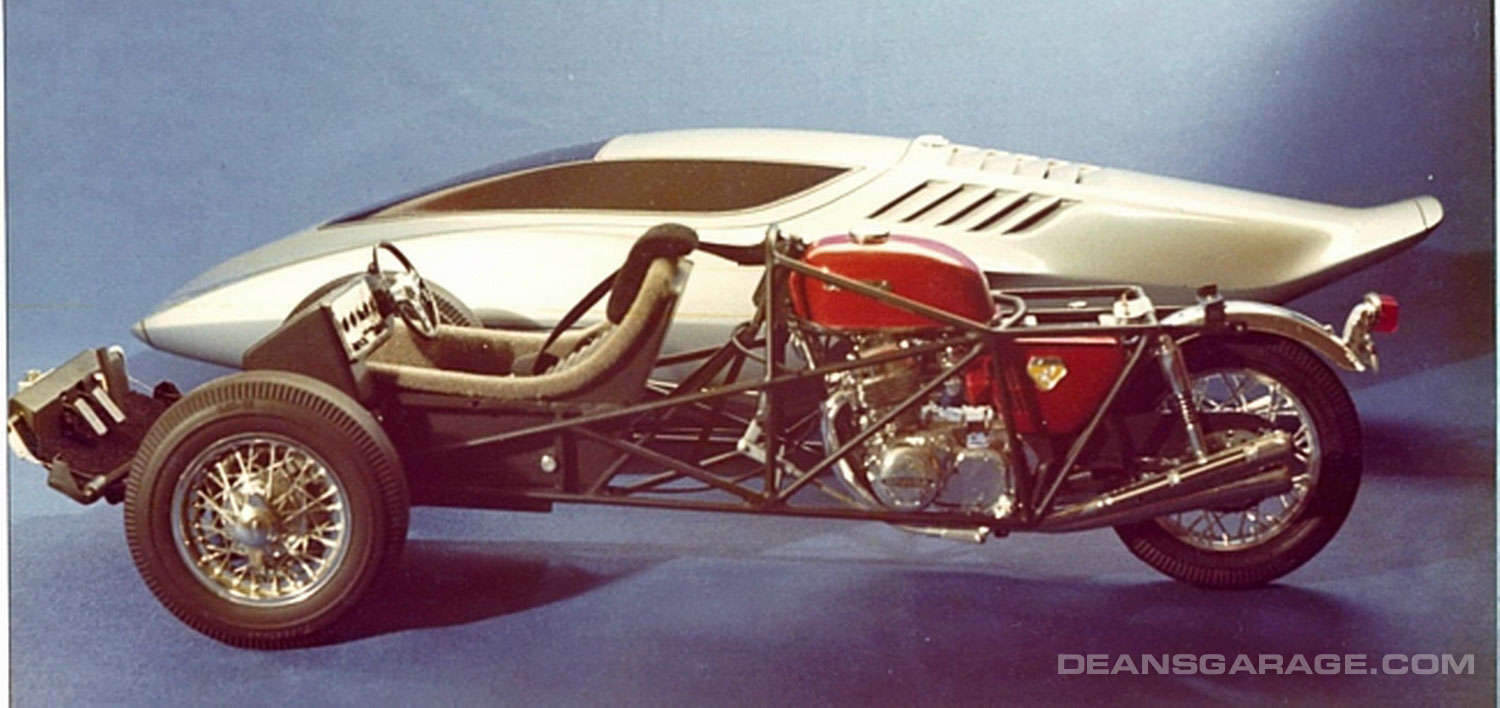
Three wheel design. 1/8th scale fiberglass body and tube frame chassis mock-up model.
Wind Tunnel Model
As I got more serious about a full size model, I became worried that the aircraft wing shape of the design would fly at high speed.
I happened to be living in a farmhouse with Randy Wittine, a super Corvette designer, who had spent a lot of time in the GM Harrison wind tunnel.
The wind tunnel operators thought it would be great to try a unique design in the tunnel. So I built a ¼ scale clay model to go in the wind tunnel.
Long story short, a tail design and under body features kept the design from becoming airborne.
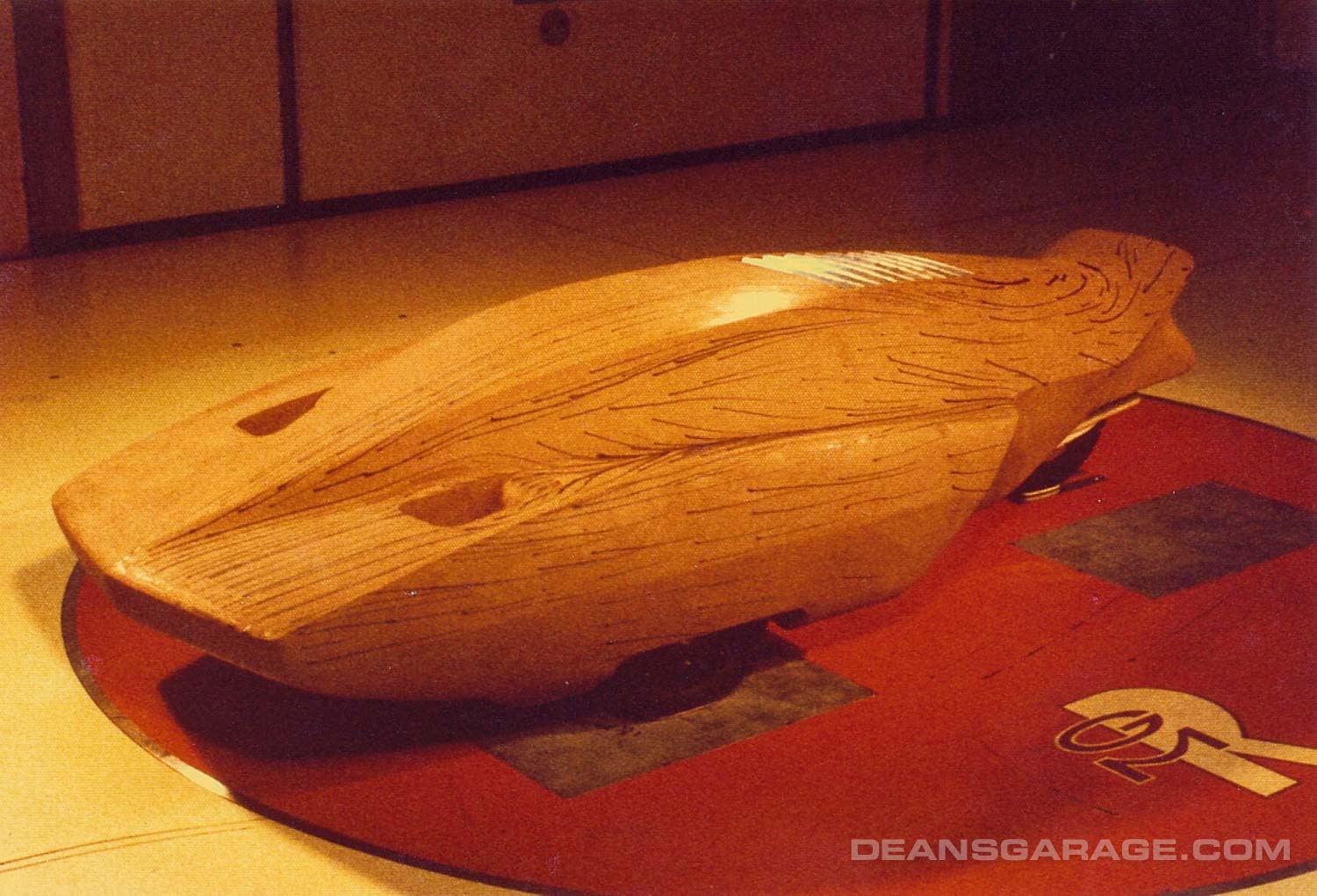
Quarter scale clay model with ink drops to show airflow. I think the Cd was about 0.28.
Ron Follows His Dream
After 10 enjoyable years at GM, it was time to follow another dream, this time in California. It was quite a life changing experience in 1976. I not only quit my job, but got married to my wonderful wife Pat, bought a duplex in Costa Mesa and started my company, Phantom Design.
I somehow managed to convince my brother and his wife that this was a good idea and they moved out with me to start this project.
We built a mini GM design studio in a two car garage with a real surface plate, uprights, a full size moveable drawing board and even a clay oven. I even bought the same thick studio floor tiles that GM uses.
We first built a seating buck and full styling armature to check clearances and body openings.
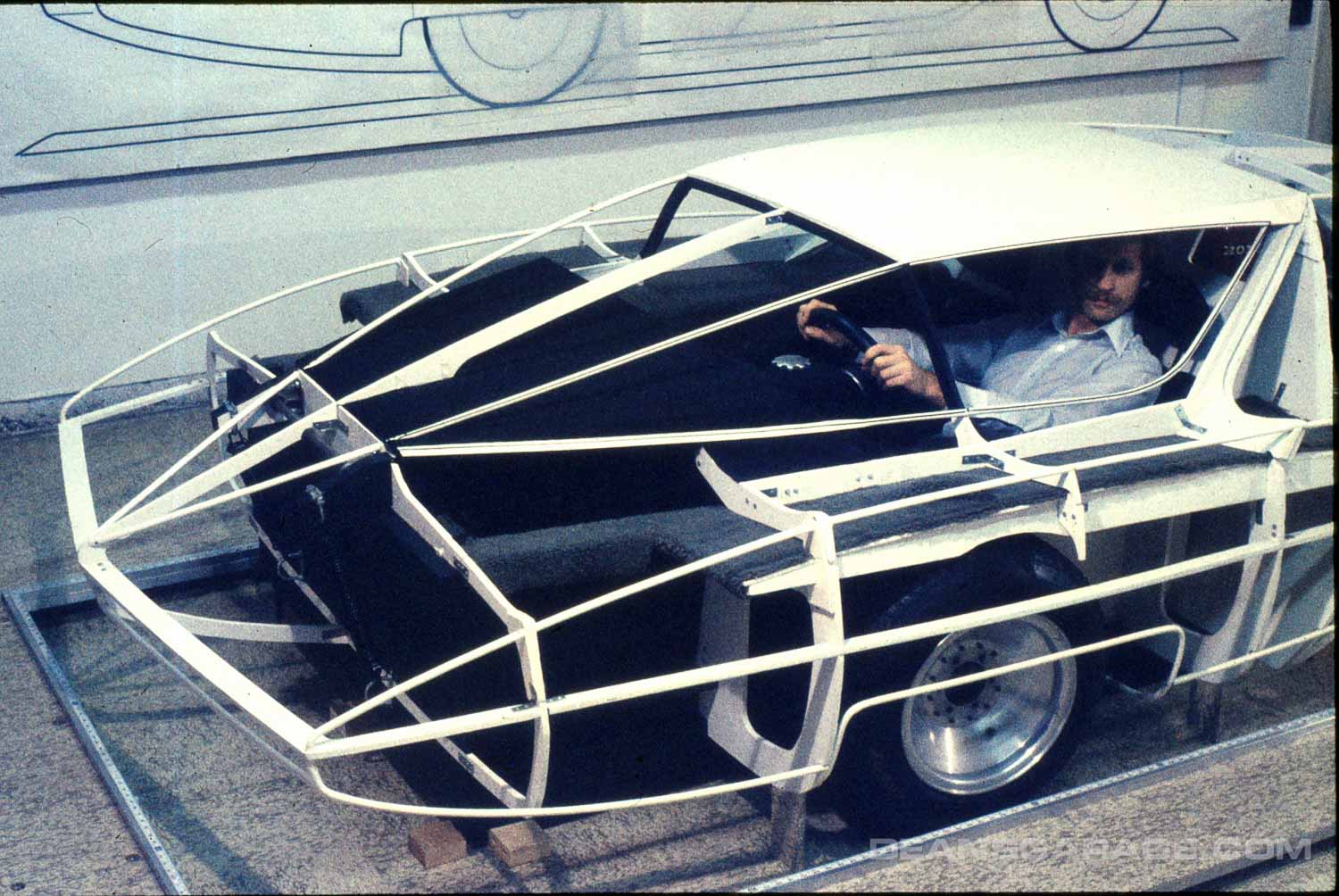
Full size seating buck built in a garage mini reproduction of a GM Design Studio.
Costa Mesa Design Studio
After this came lots of foam and a ton of clay. We roughed out the body shape, but I was no expert at truing up surfaces, so I hired two GM modelers to come out and surface the car.
Thank you Mark Kidd. I think the other modeler ended up at Nissan in California.
A local fiberglass shop that built race cars made the molds and final body.
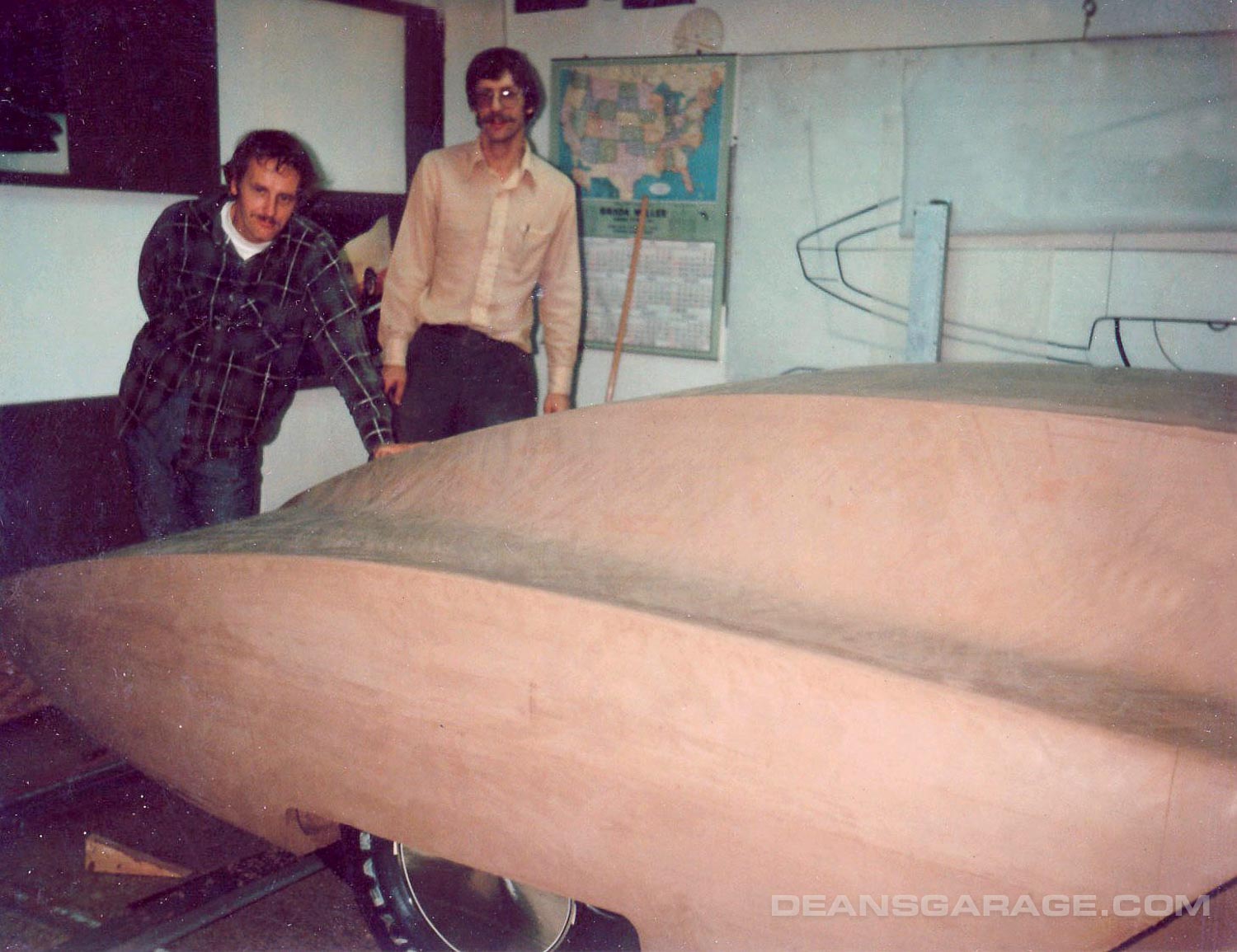
Full size Clay Model ready for fiberglass mold and fiberglass body. Ron and Lee Will.
Running Car
After 4 years of fabrication, in 1980 we had a running 3-wheel car with a Honda Gold Wing engine. We showed it at the Chicago and LA auto shows and Pebble Beach.
More about Ron’s Phantom:
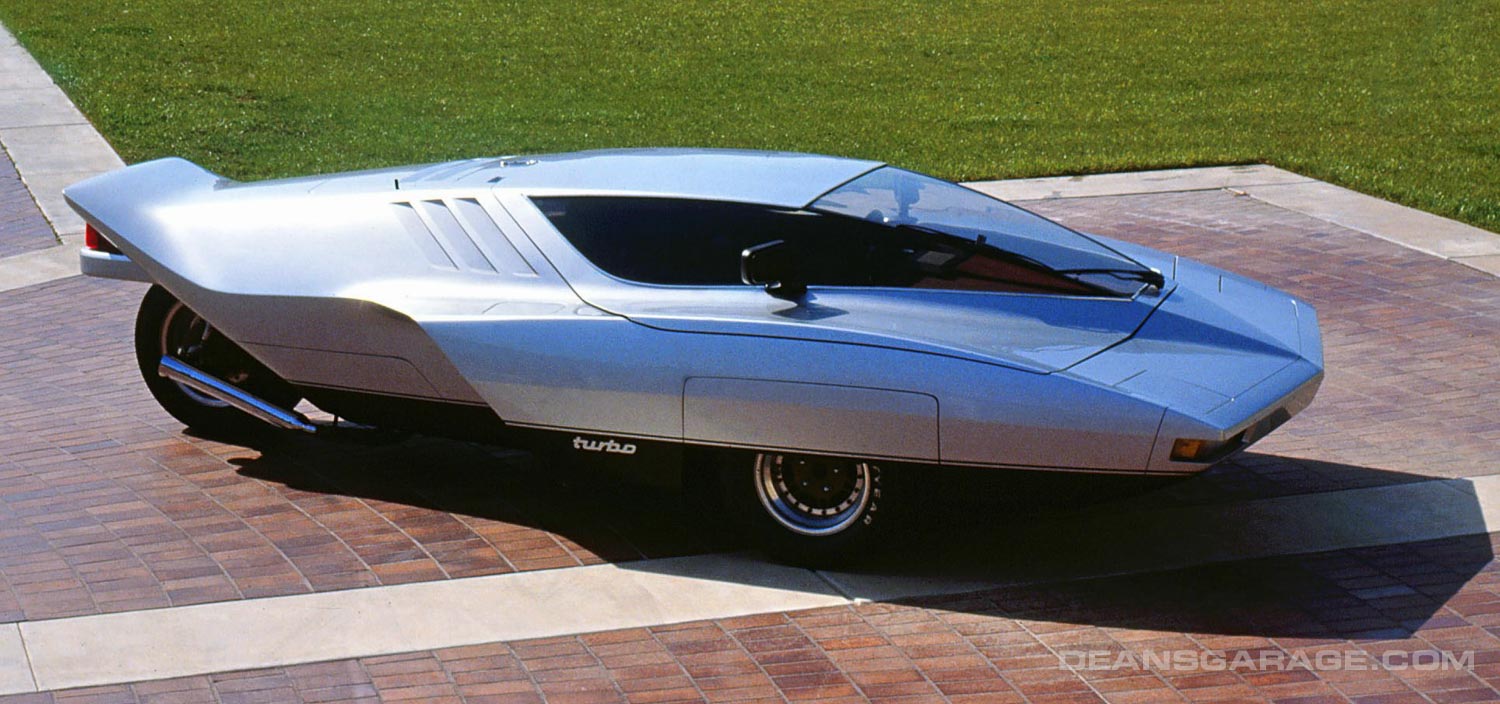
Finished Turbo Phantom 3-Wheel Sports car with Honda Gold Wing engine.
Government Testing
Because of gasoline shortages in the 1970s. Several 3-wheelers were promoting high mileage, so the government decided to test a dozen models. Ours came out on top for stability and safety.
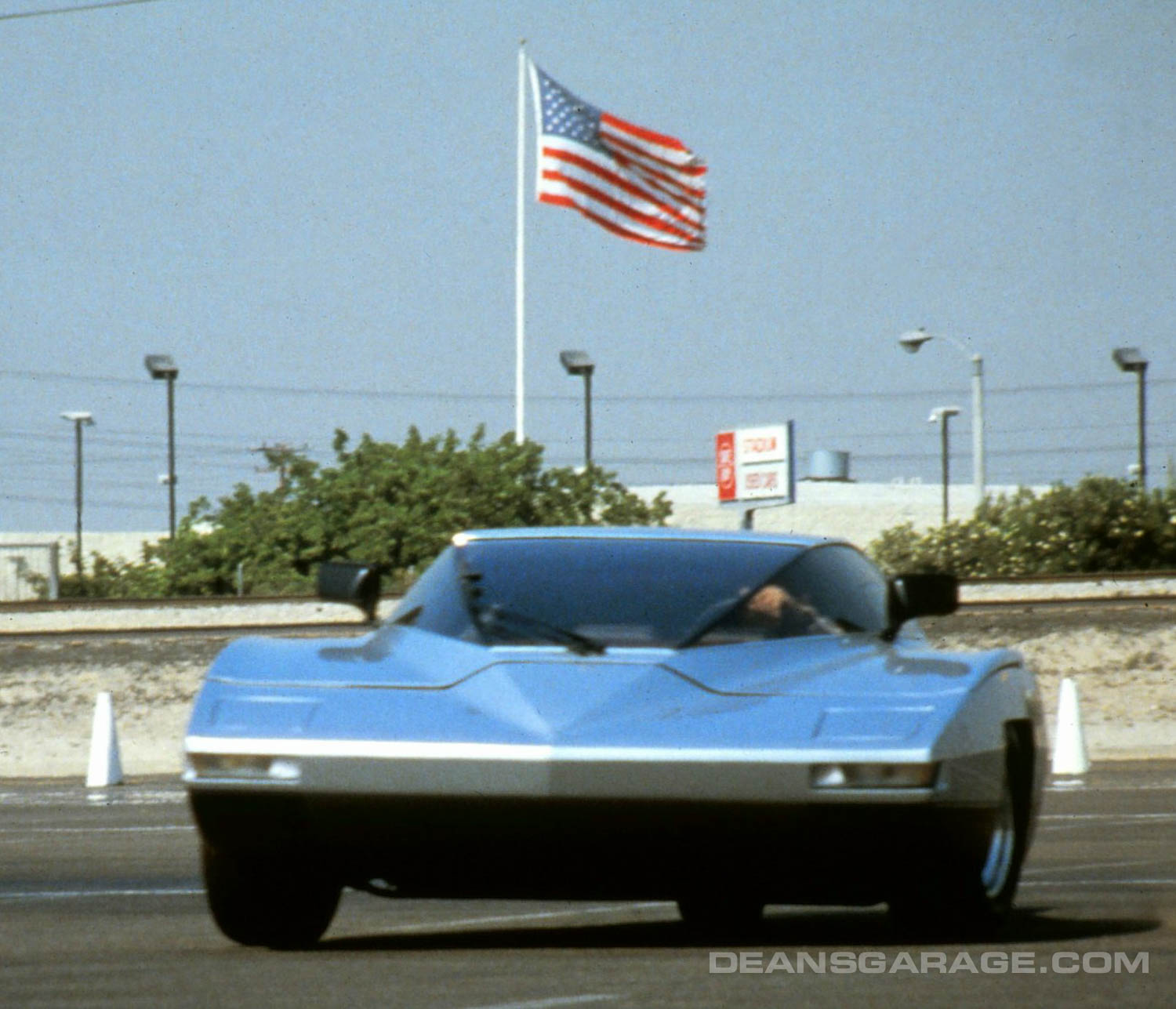
Government safety and performance testing in Orange County and Edwards Air Force Base. Road & Track magazine featured our project car.
Texaco Commercial and Subaru
In 1980 we were hired for a Texaco TV commercial in Death Valley with Bob Hope.
However, the money ran out and the 3-wheel car dream ended at just one prototype still in my garage. Needing a job, I was hired into the Subaru Tech Center in California. As I moved up in the company, I ended up at Subaru headquarters in Cherry Hill, New Jersey in the Product Planning Department.
In 1994, as planning manager for the Legacy models, I created the first Outback model and later helped develop the Forester model.
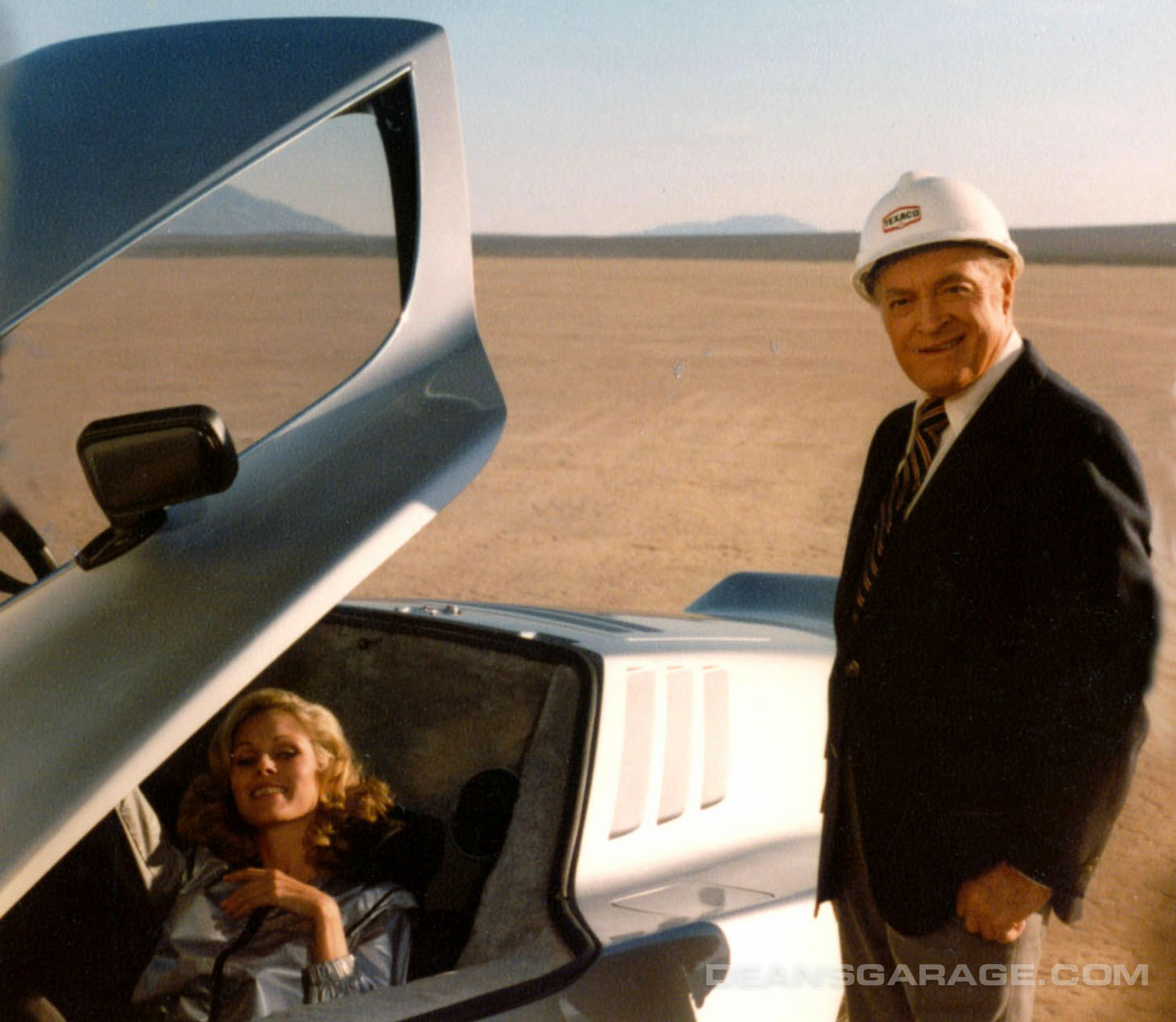
Bob Hope and model in Death Valley Texaco Commercial 1980.
Model Collector
I am now more of a model collector than a model builder with perhaps over 500 models in my office and closets. (More than I should have, my wife Pat tells me.)
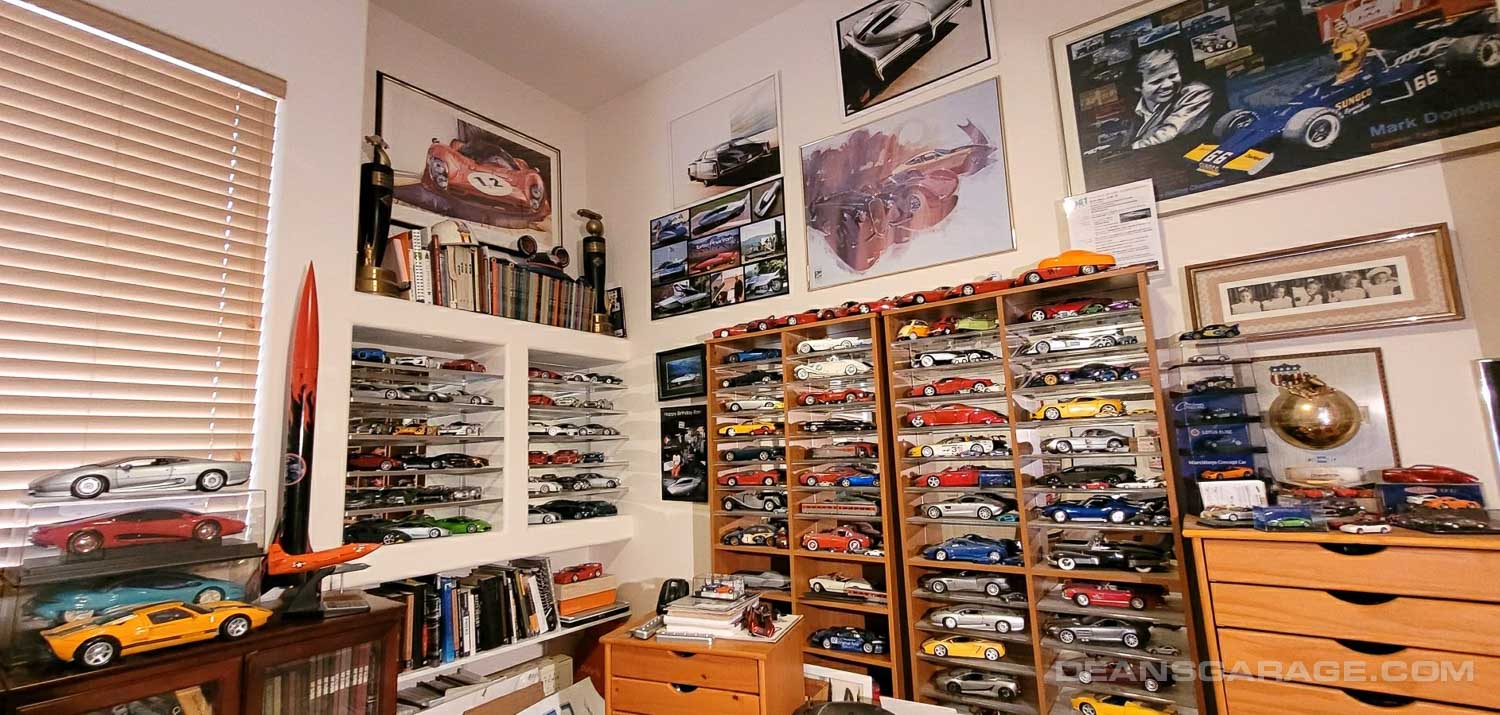
My model car office haven.
Fisher Body Craftsman’s Guild Reunion
During the past 20 years I have been heavily involved in collecting the history of the Fisher Body Craftsman’s Guild, promoting the Guild reunions and helping write books and articles about the Guild.
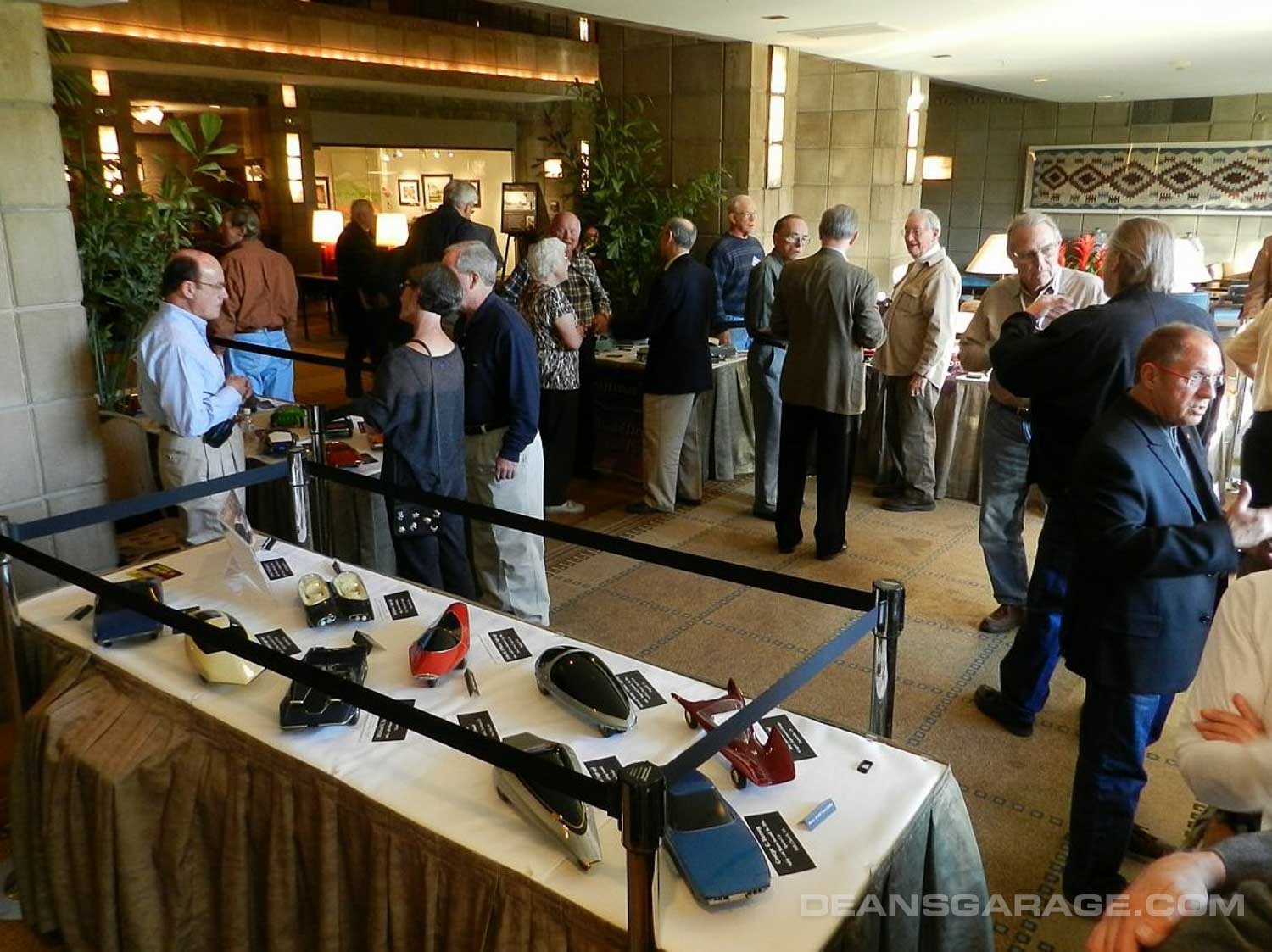
Guild Reunion at the Biltmore Hotel in Phoenix, Arizona, one of many reunions across the country.
Titanic Model
My late uncle Donald Logmann was a skilled model maker and Titanic historian. I inherited his beautifully detailed 36” scratch built balsa model of the Titanic.
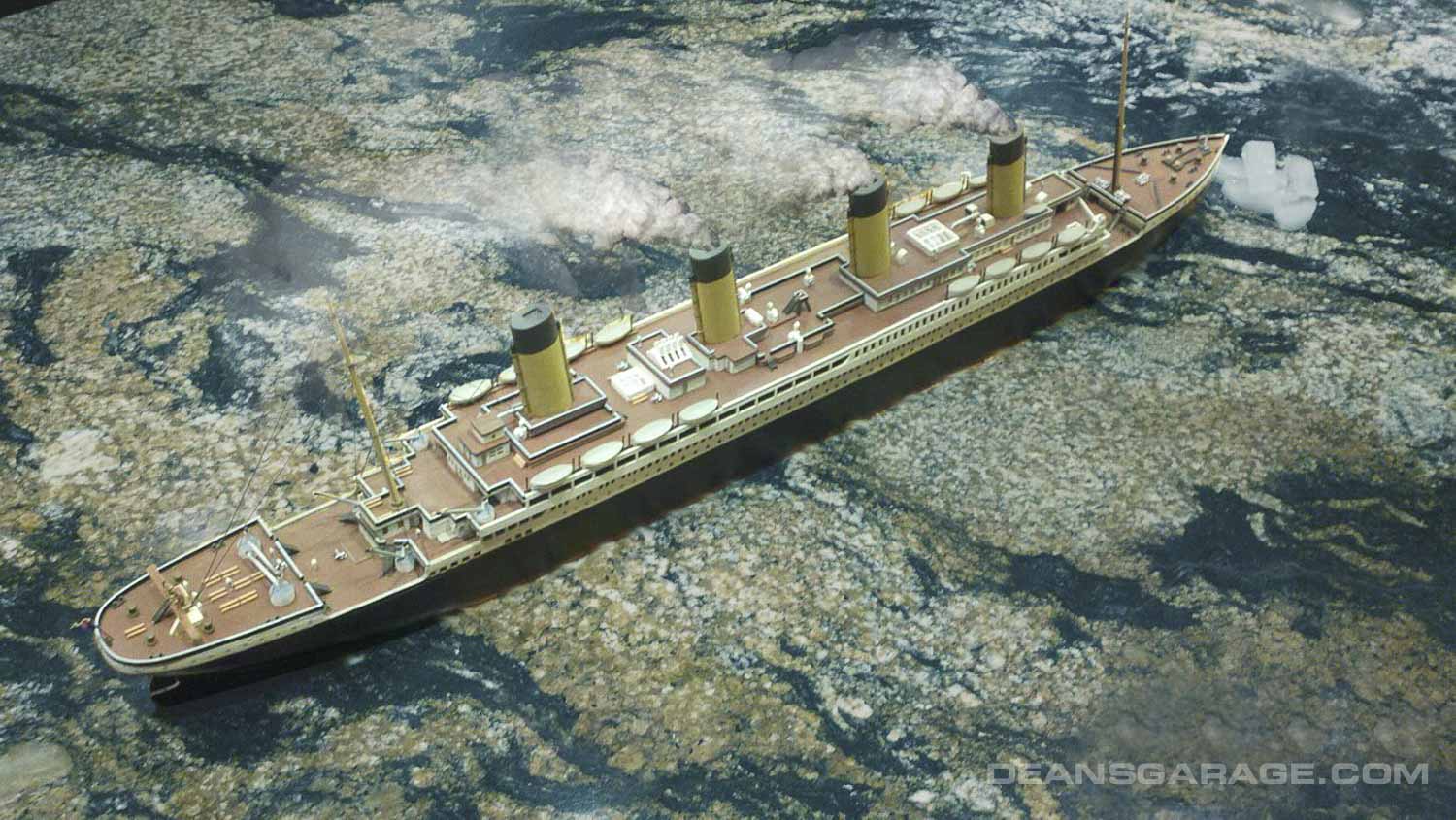
Here it is steaming across the North Atlantic (granite countertop) about to meet its destiny with an ominous pile of ice cubes.
Retirement
In retirement, I now have the time to follow many of my Interests, including amateur astronomy, model rocketry, pool design, and AI—Artificial Intelligence car design.
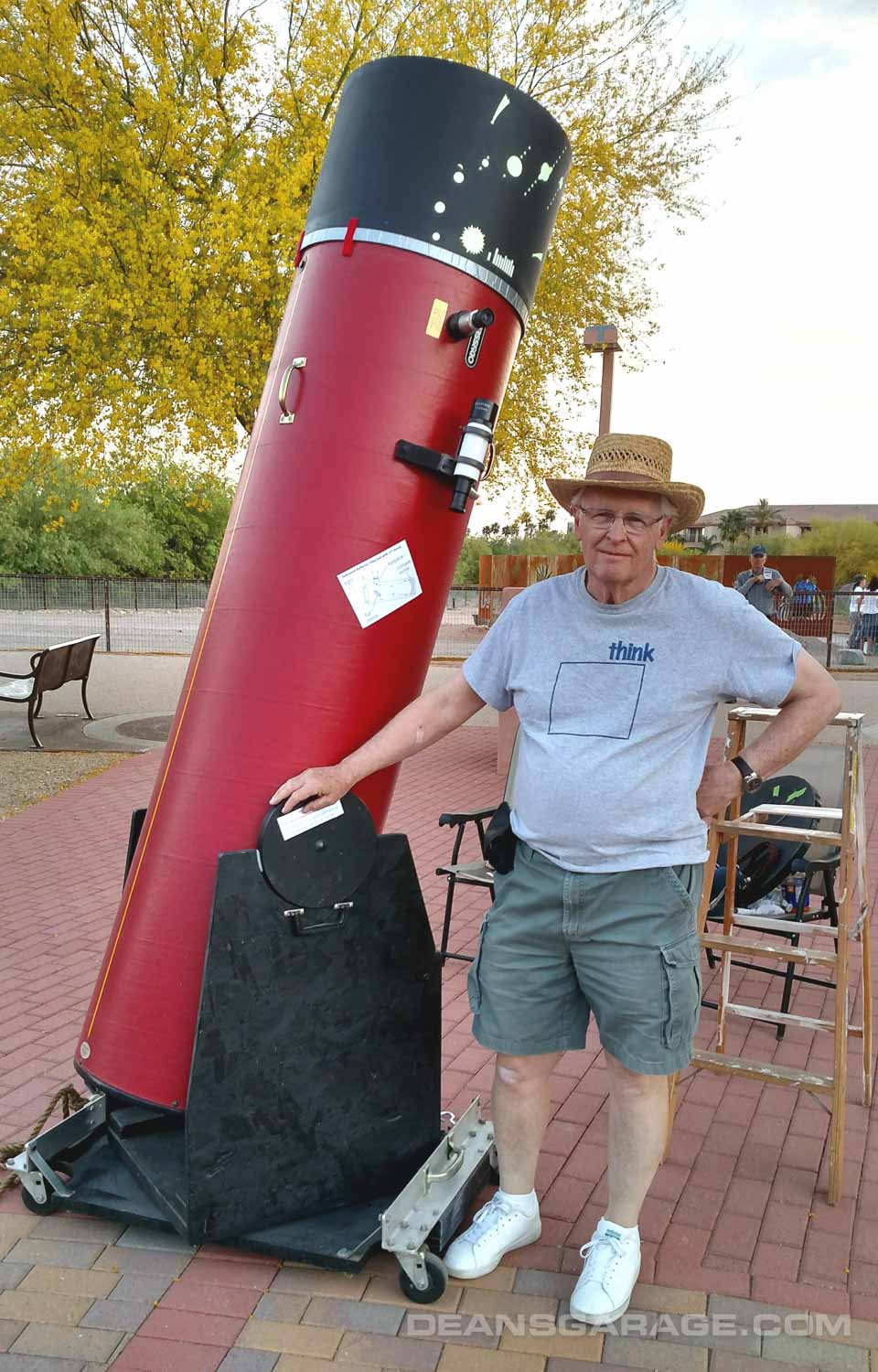
Ron and his 18” Dobsonian Telescope
Rockets
I still have my childhood delight in flying models, but now it is in launching solid fuel model rockets like the Jayhawk Target drone on the right or the black SR-71.
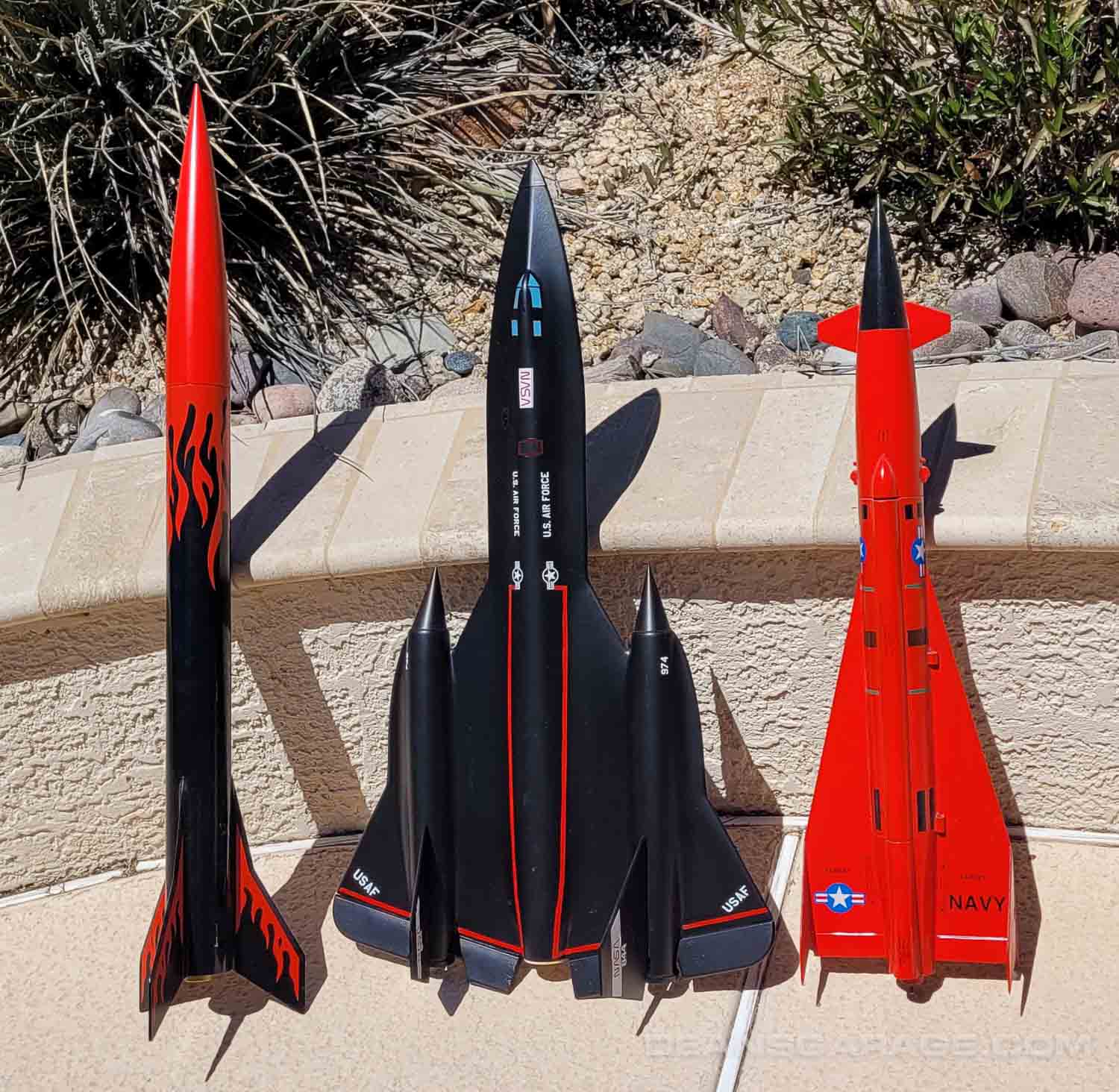
A few of my Rocket Models including the black RC-SR-71 and the Jayhawk Target drone on the right.
Swimming Pools
I also designed swimming pools including this one on a mountain top in Las Vegas featuring a full glass tile graphic design.
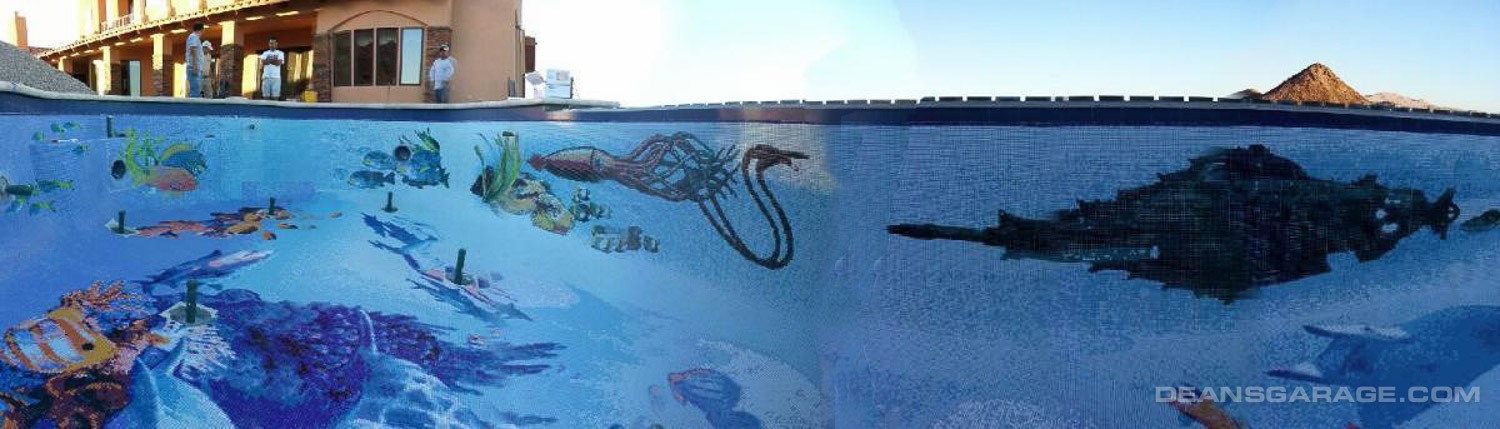
The design includes mermaids, sharks and Captain Nemo’s Nautilus confronting the Giant Squid.
Wildcat II Recreation
By chance, I met Ken Mitson and Marvin Compton who were building a replica of the GM 1954 Harley Earl Buick Wildcat II show car. I helped them true up the lines and proportions to match the original car. In fact, it is so good that many who see it think it is the real original vintage Earl Dream Car.
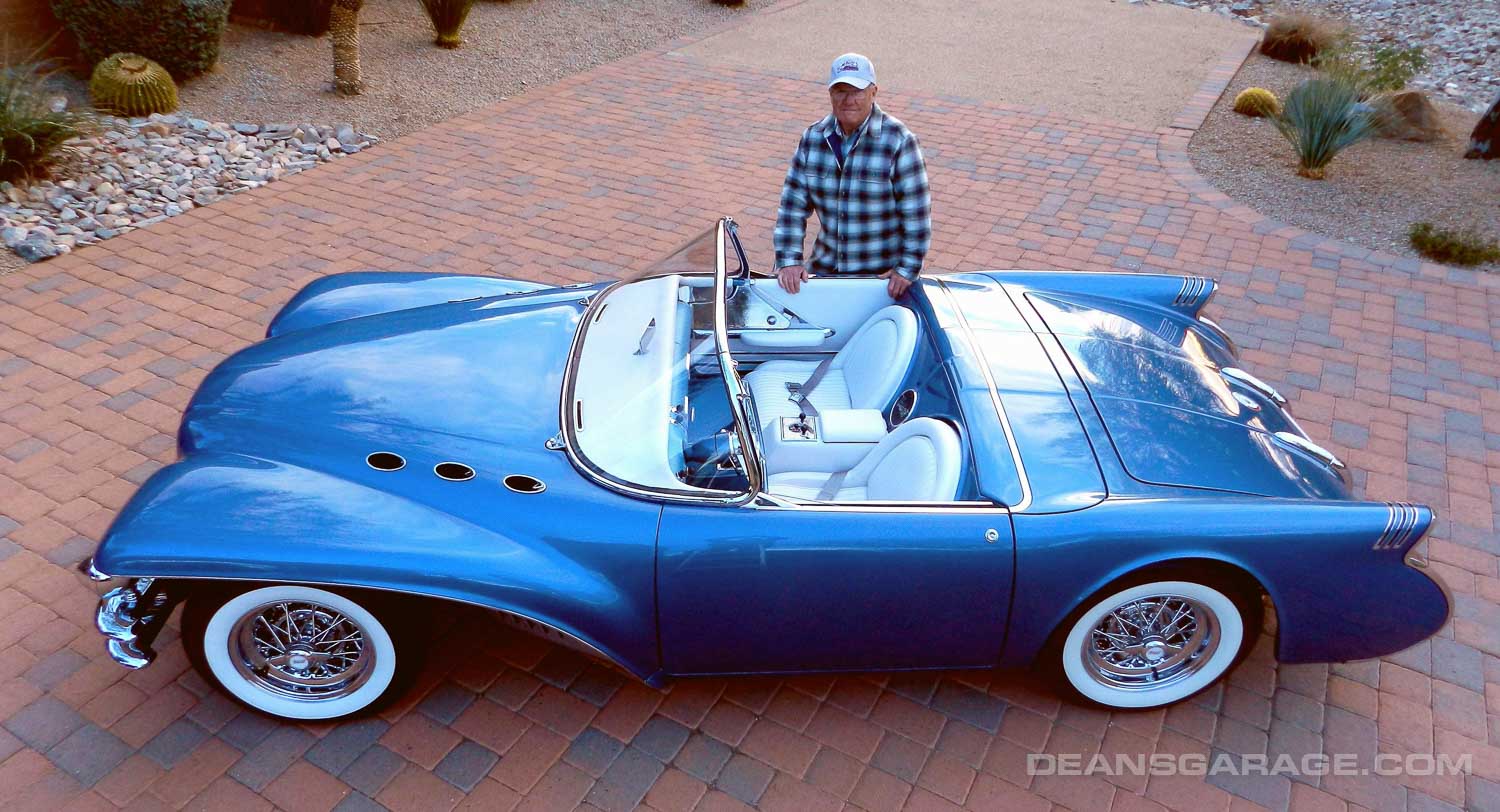
1954 GM Harley Earl Buick Wildcat II Replica.
Photoshop
During my 25 years at Subaru Design I became quite proficient at creating Photoshop Subaru concept design models placed in realistic settings.
In fact one Japanese Subaru executive ask me where the real car was. He would like to see it.
So now I like to take my small models and place them in settings around my house and driveway, making them appear full size using Photoshop.
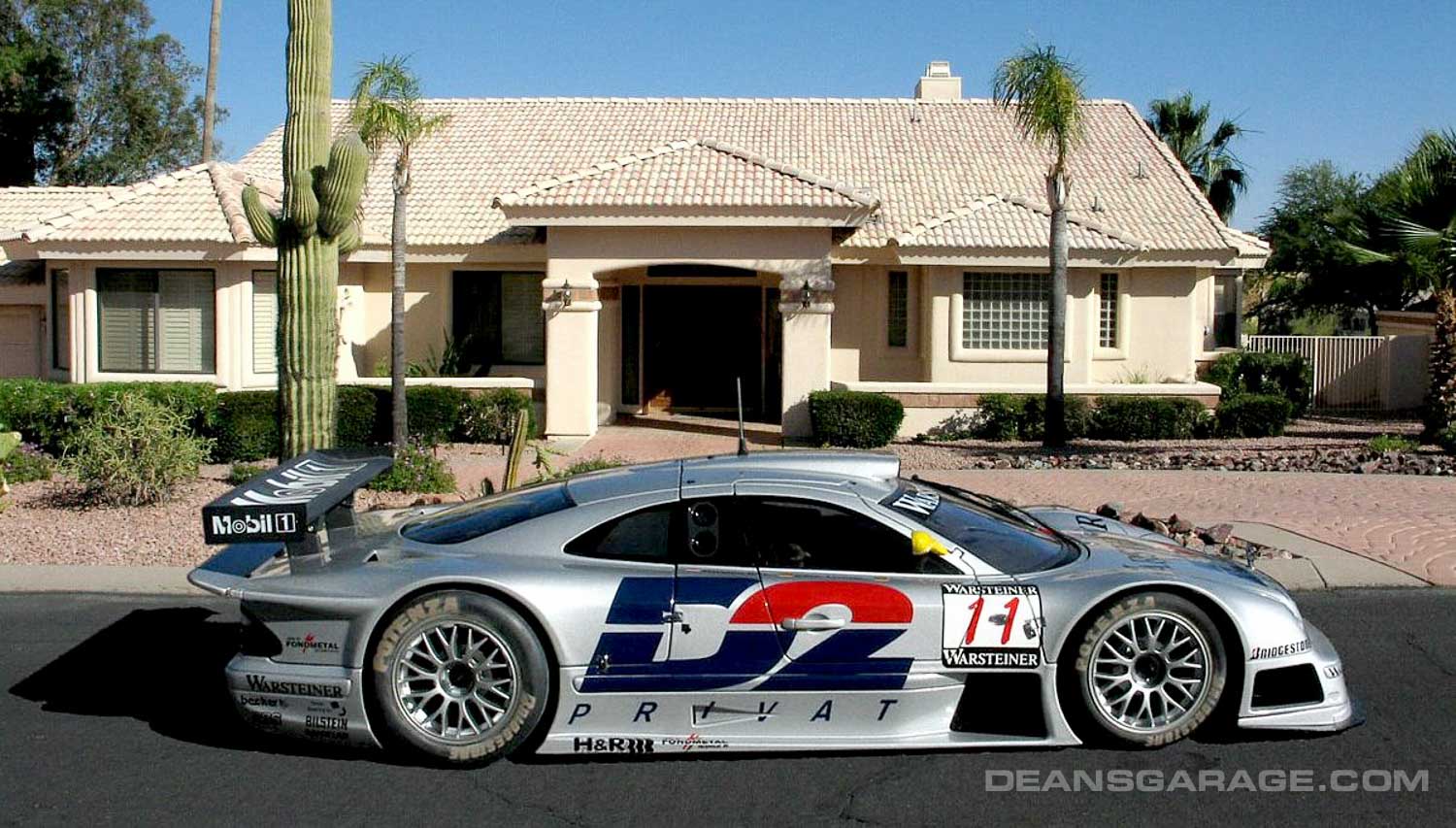
A Mercedes-Benz CLK GTR parked across the street.
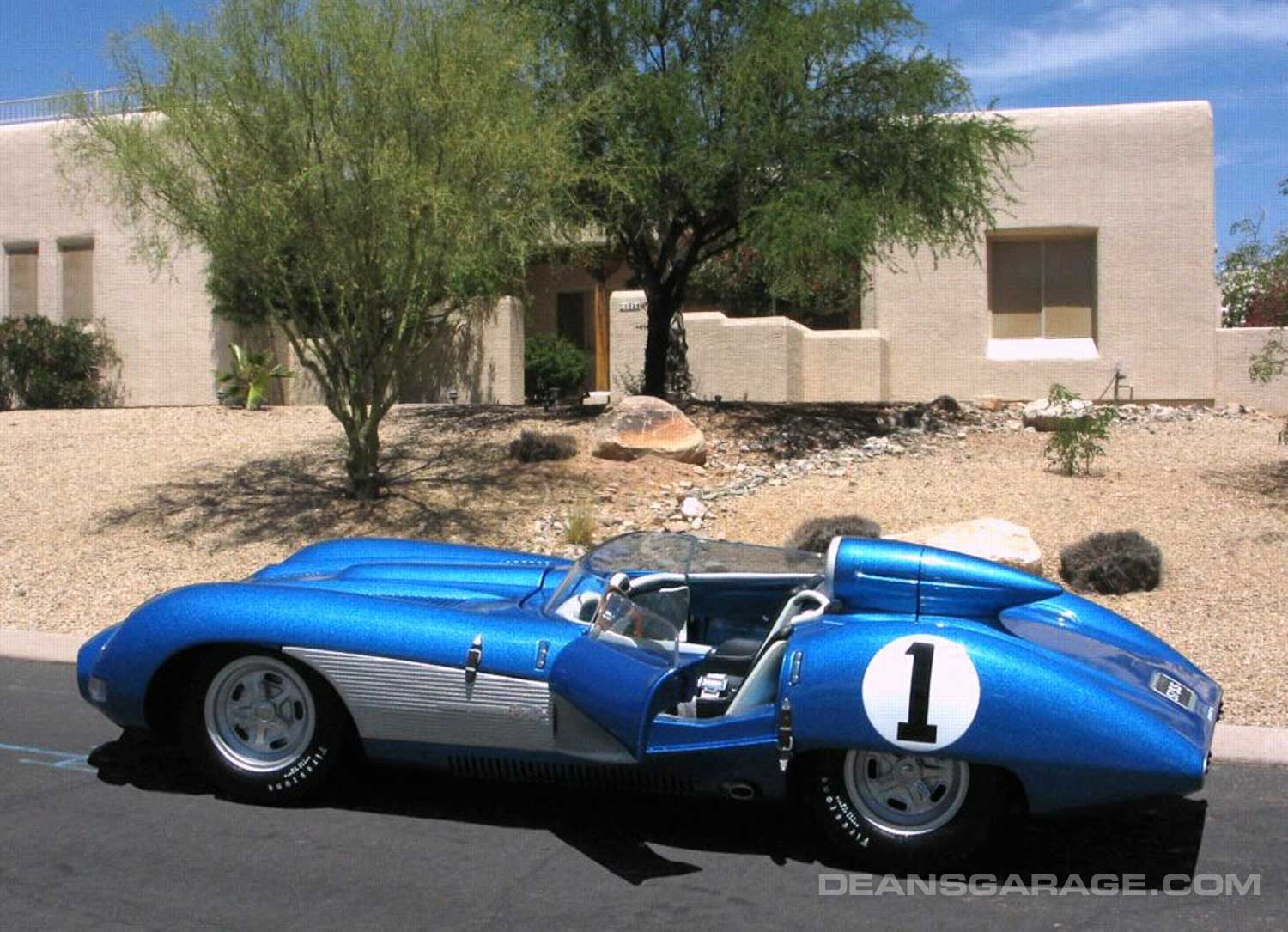
Zora Duntov’s 1957 Chevrolet Corvette SS parked in front of my home. (Wishful thinking.)
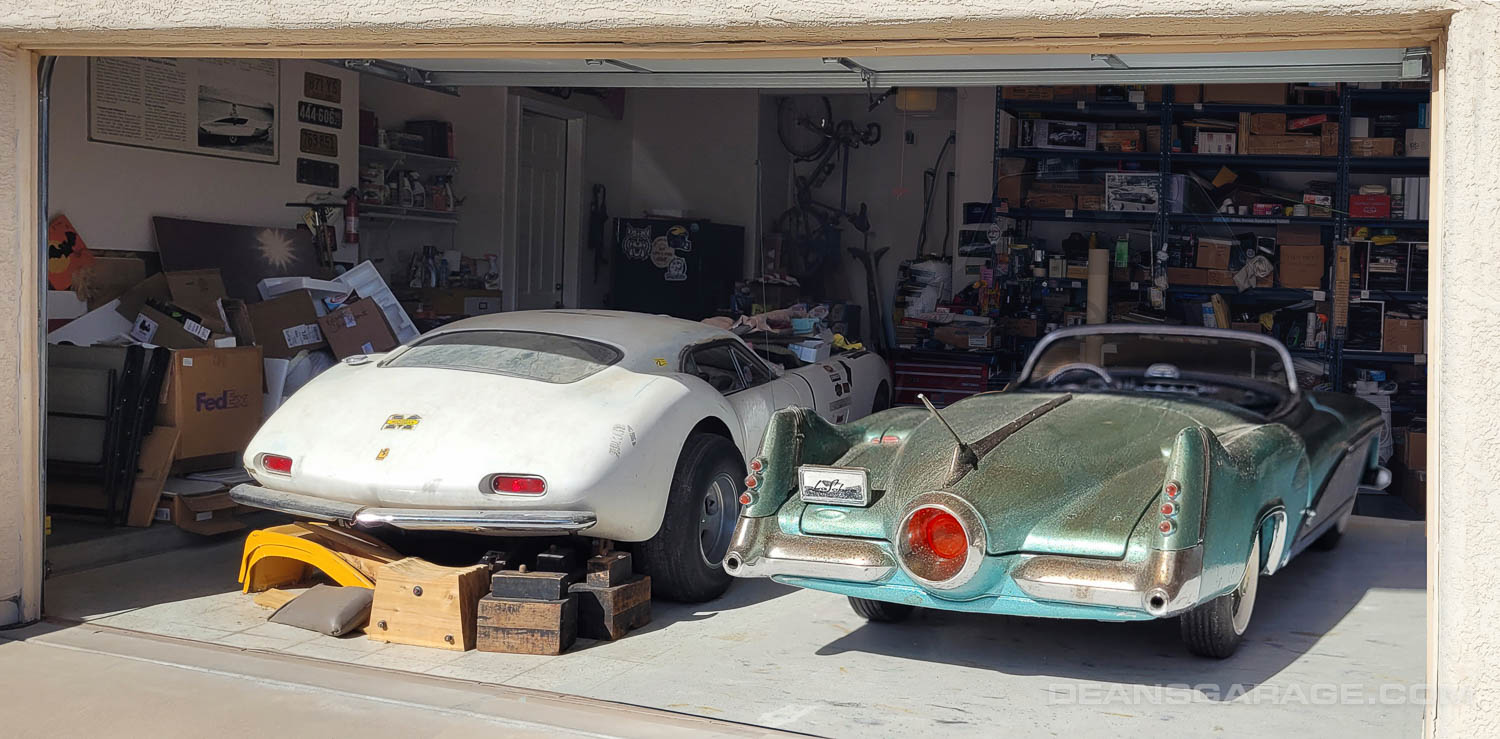
Here’s a great barn find. Harley Earl’s 1951 Le Sabre concept, needing a careful restoration, sitting next to my Kellison J-5.
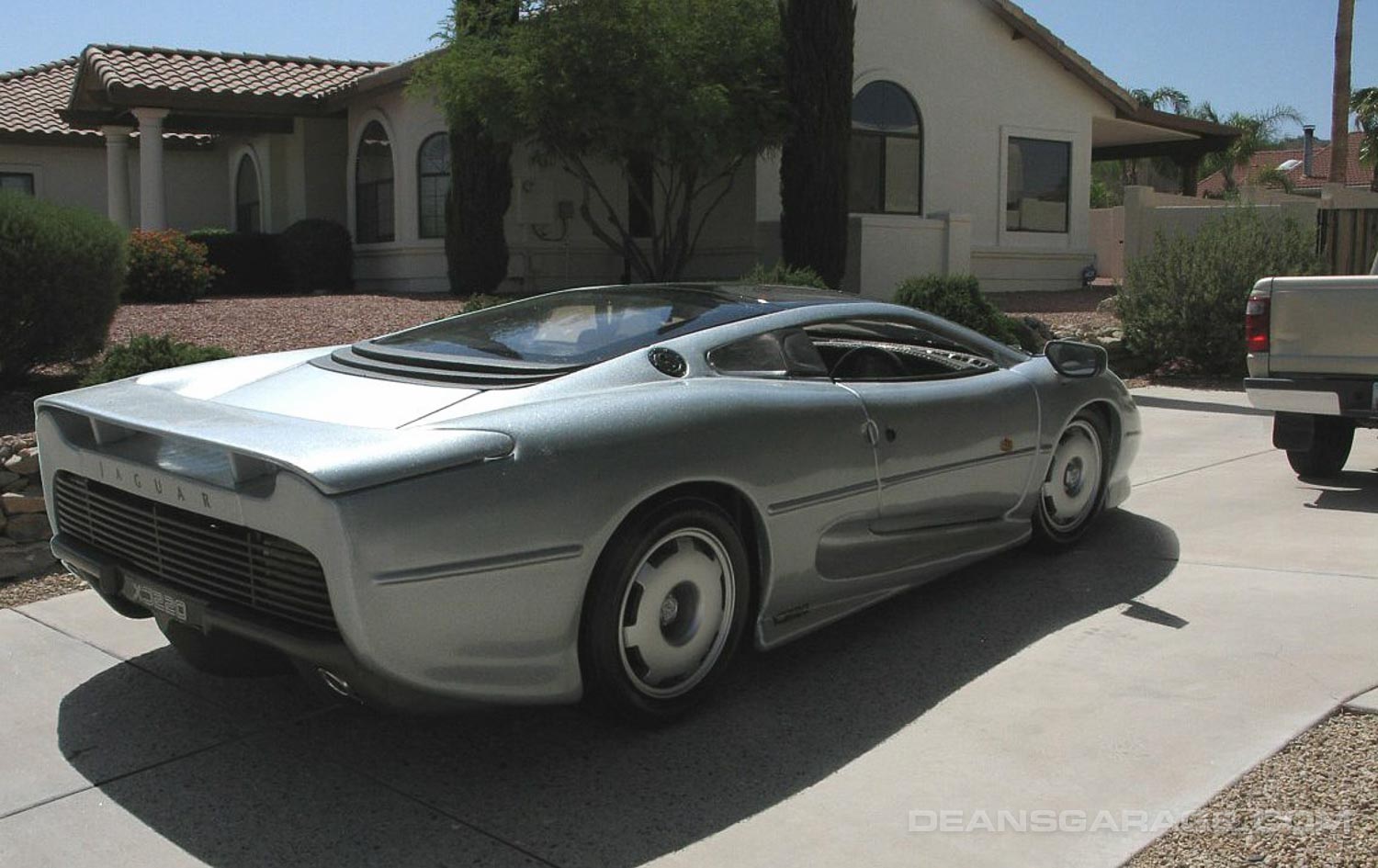
I had several early 1950s Jaguars while at GM, so I had to include a Jag in my photo collection.
Rare 1992 XJ-220 mid-engine Jaguar sitting behind my not so rare 2002 Ford Ranger.
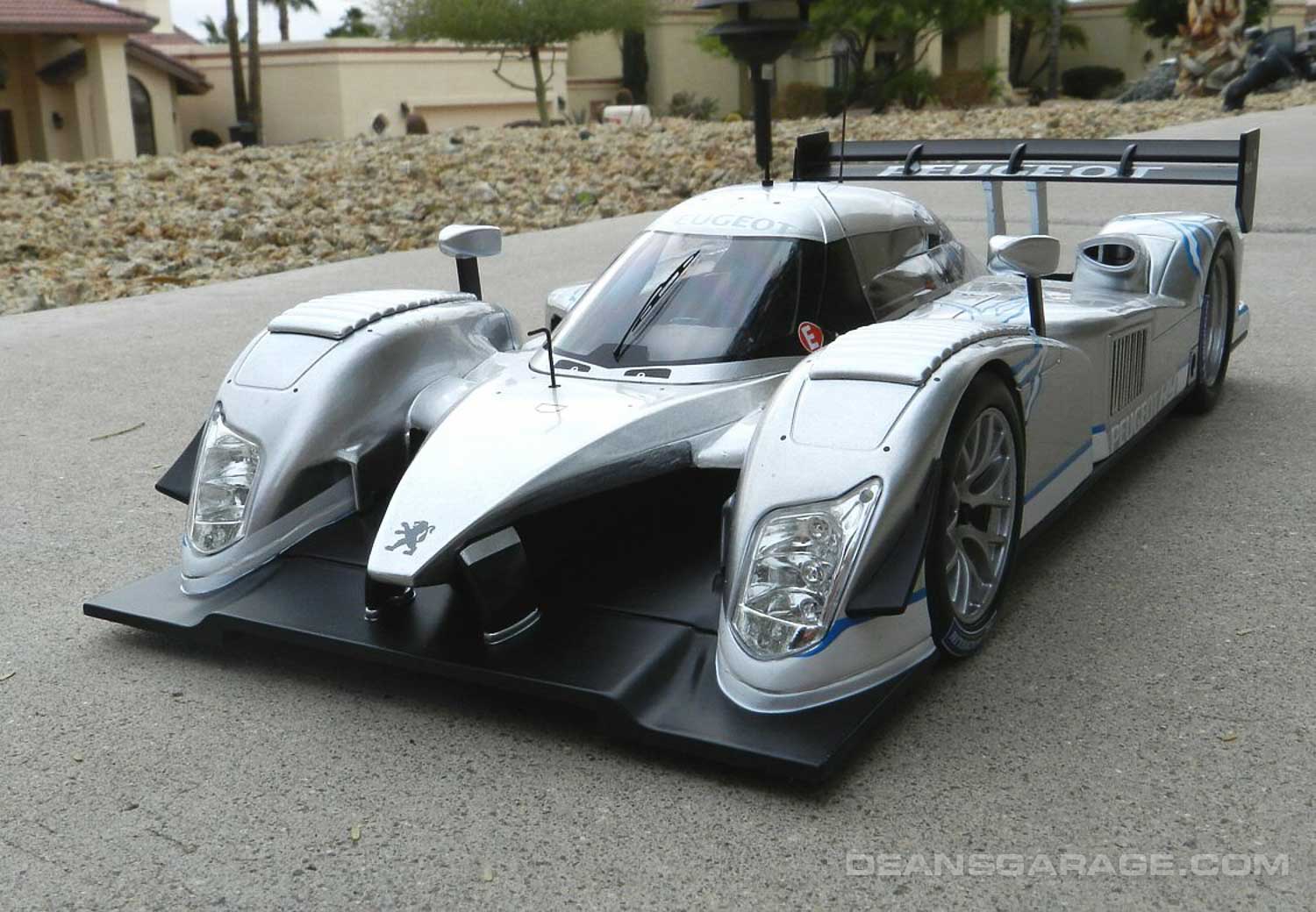
A nice view of the 2011 Peugeot 908 Le Mans prototype idling in my drive.
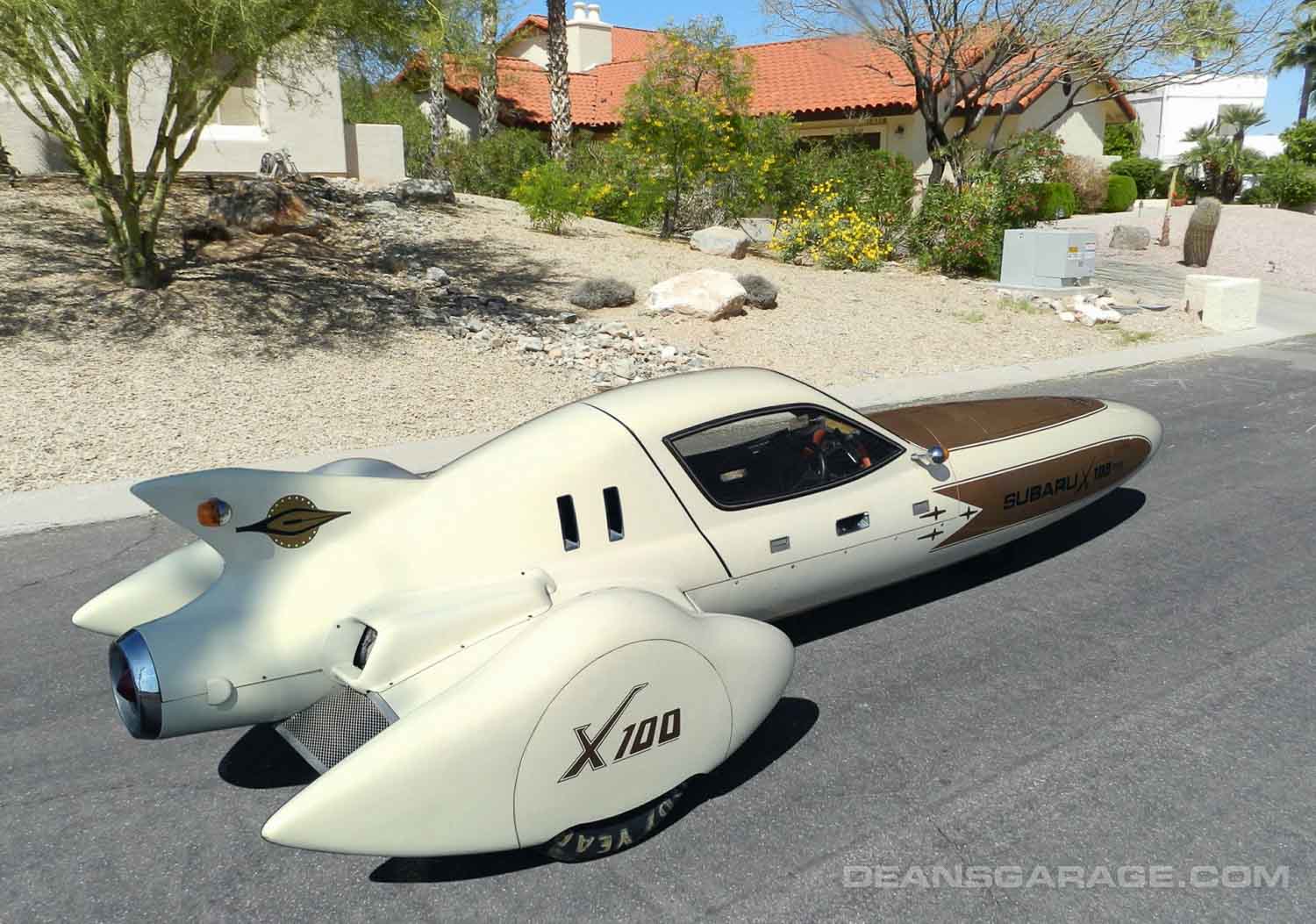
Subaru X-100 Alex Tremulus designed 3-wheel high mileage car.
This is the Subaru X-100 designed by Alex Tremulis and built around an aircraft wing tank. It achieved over 100 MPG for 100 miles at the Ontario Motor speedway with Ron Jones at the wheel.
I had a chance to drive around Costa Mesa in this prototype. It was like being in the cockpit of a Jet fighter. All of these except the Subaru X-100 are models from my office collection.
Artificial Intelligent Car Design
My latest fascination is with Artificial Intelligent car design. In Meta AI, I ask for a Mid-Engine Cadillac Sports car in Blue and Chrome. Art Center watch out—AI is after your students.
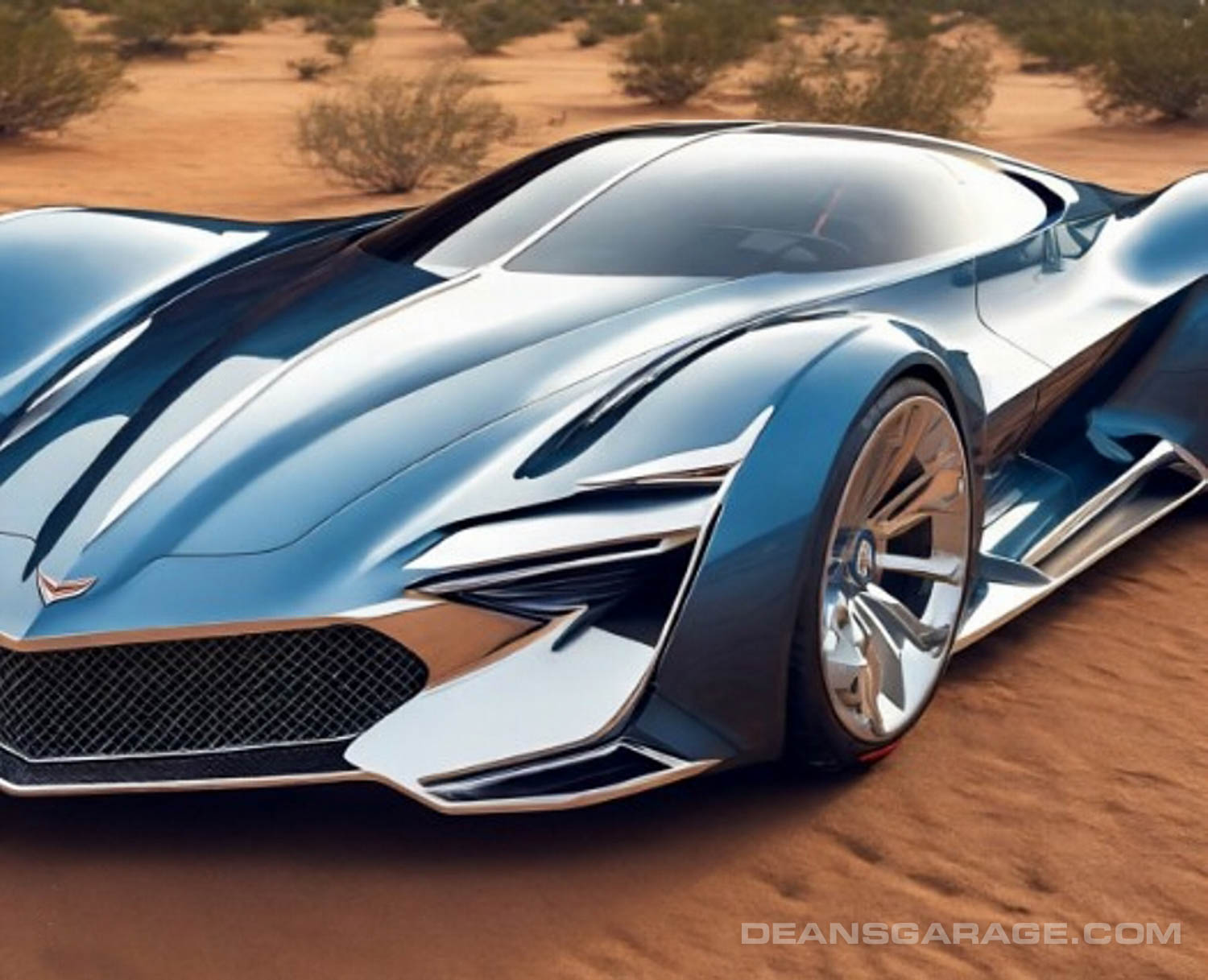
Mid-Engine Cadillac design created In Meta AI, with just a few written prompts.
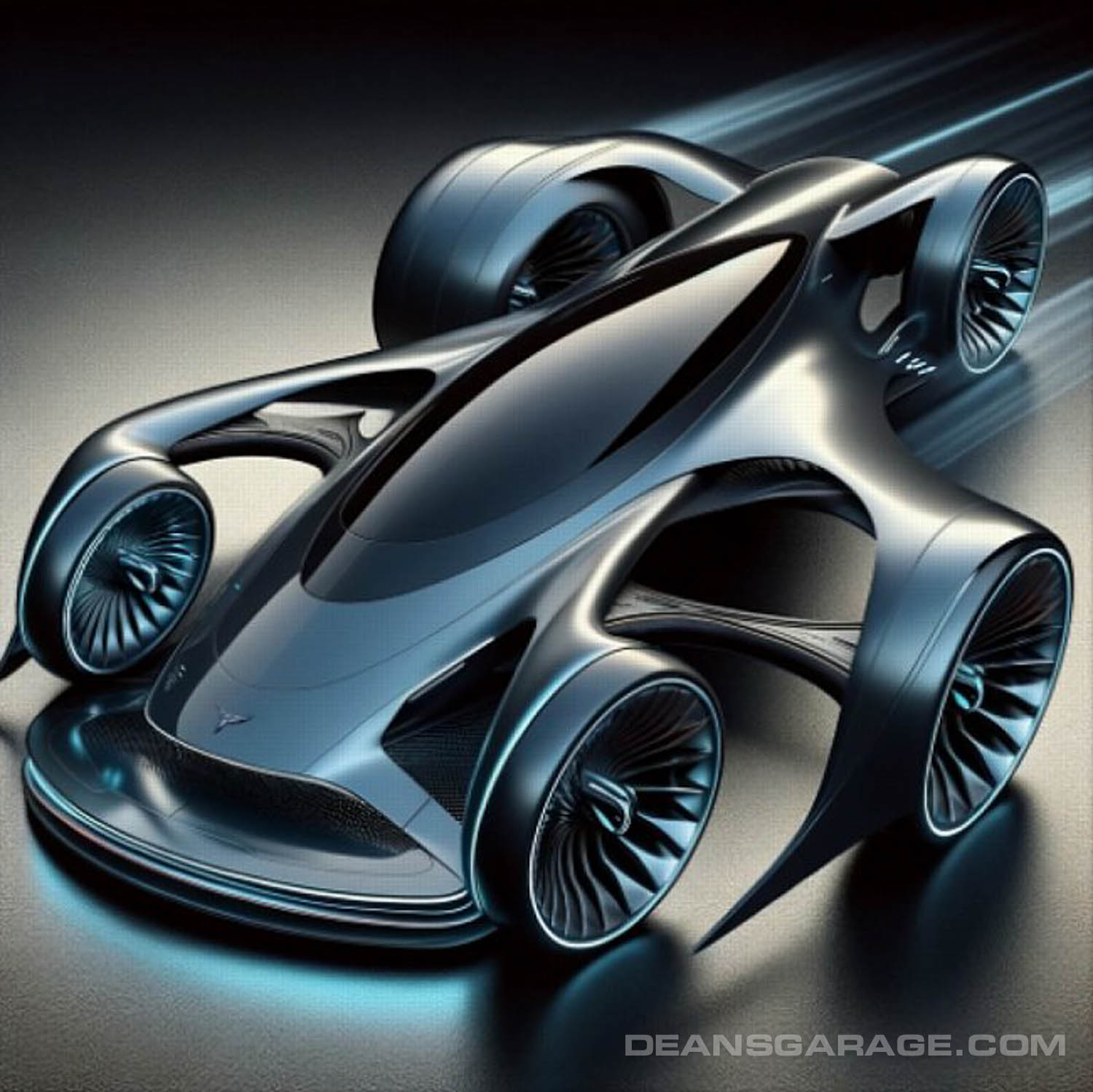
Chat GTP can also create designs with written prompts. The Chat AI was apparently confused when I asked it to design a 3-Wheel Car. This was the bizarre result
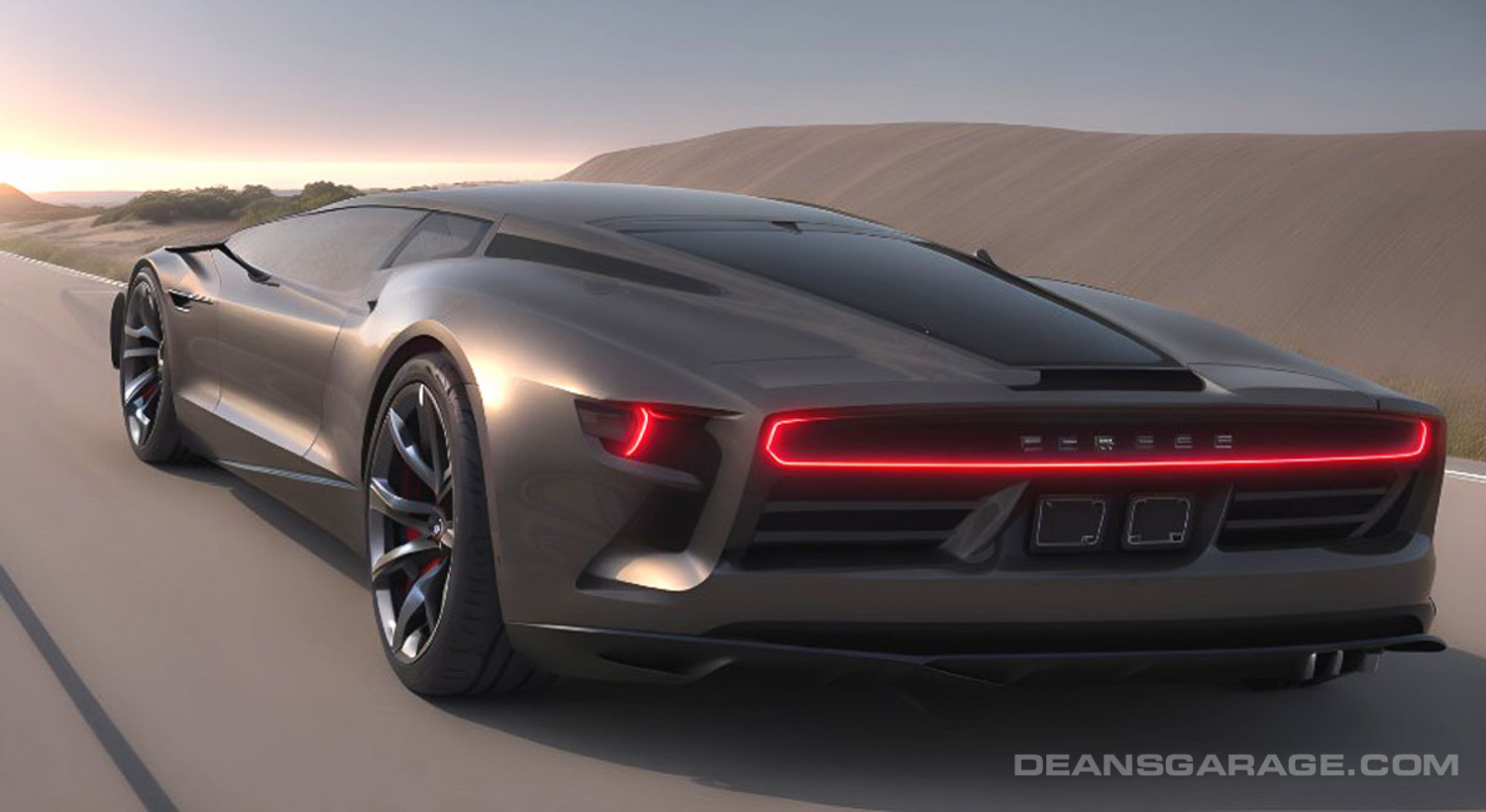
Another AI is Vizcom. Enter an old design sketch and AI will try to turn it into a more photo realistic rendering. All of these are old sketches are from my days at GM reimagined.
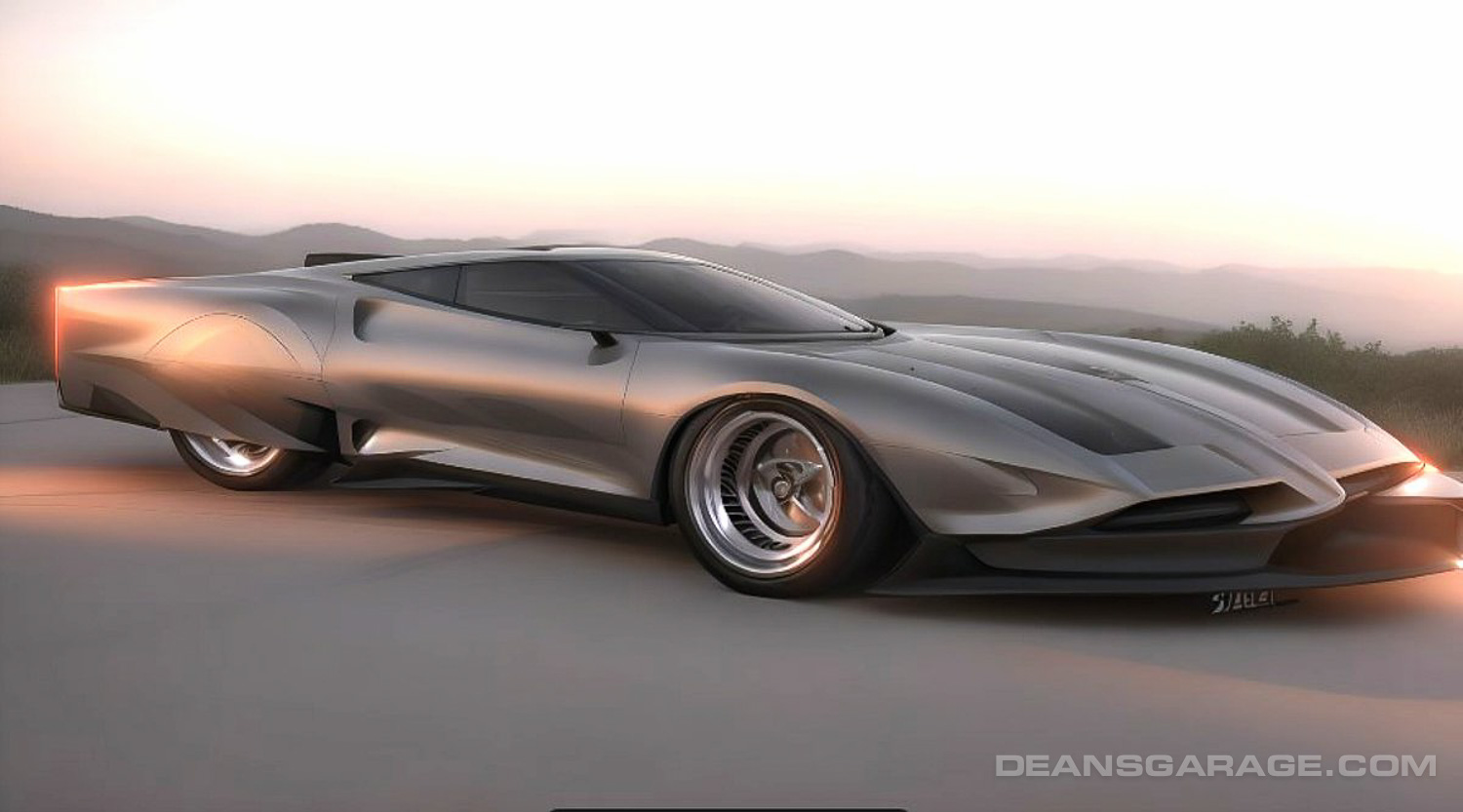
Mid-engine Corvette Concept (Aerovette Project) Note extraneous confusing front end parts added by AI.
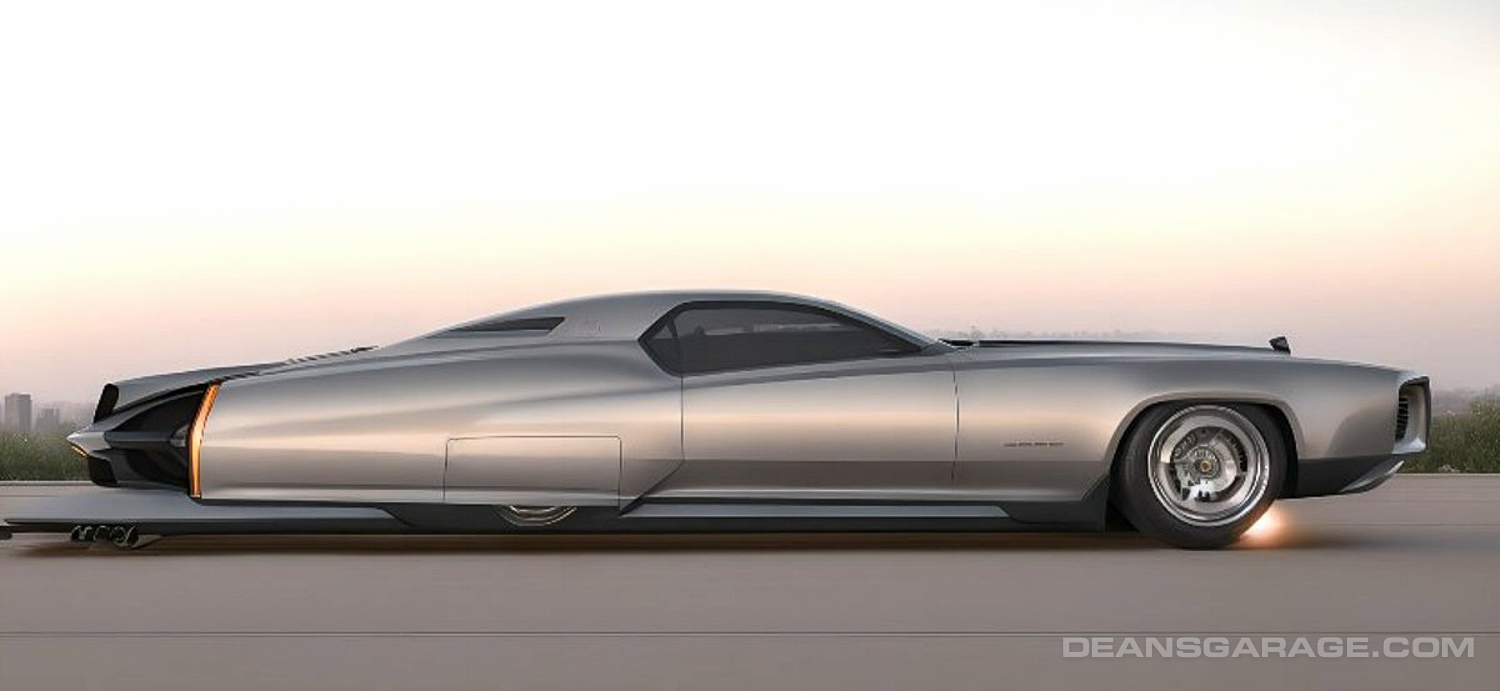
A Cadillac Eldorado concept sketch in Vizcom AI.
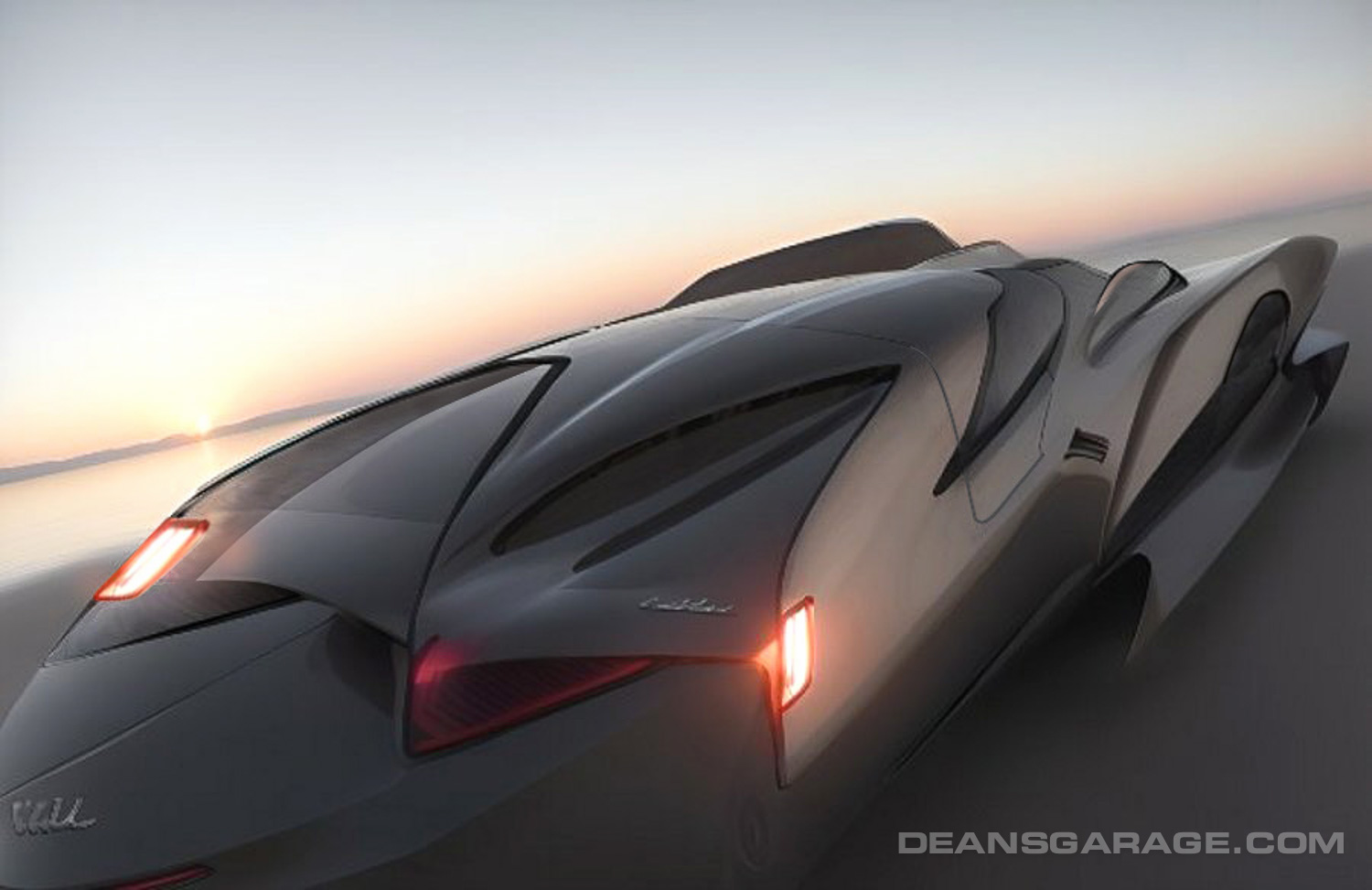
A fantasy Cadillac sports car design.
Environmentalist
More recently I helped design and build a new high speed process for growing algae for food, pharmaceuticals and fuels by using and reducing CO2 from power plants and the atmosphere.
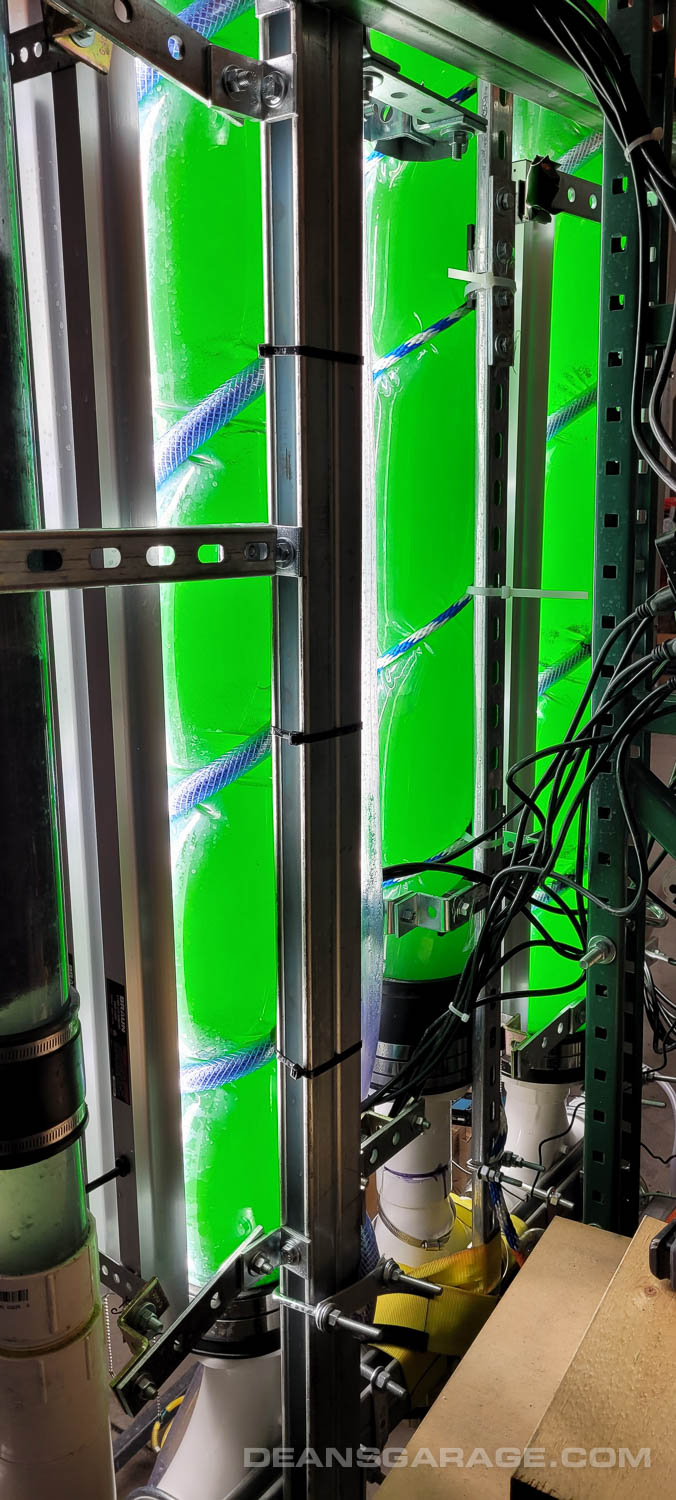
This may be my most useful model design yet.
Previous Dean’s Garage posts related to this post:
Ron Will’s Turbo Phantom Restored
Fisher Body Craftsman’s Guild, Part 1
Fisher Body Craftsman’s Guild, Part 2
Chevrolet XP-898: Inspiration for Two Unique Designs
2013 Fisher Body Craftsman’s Guild Reunion
Ron,
Thanks for sharing your career in design story from those early beginnings.
You’ve entertained an amazing career as a ‘creative automotive designer’ and
should be well proud of your accomplishments along the way. I’m grateful that we became friends during our Fisher Body Craftsman’s Guild days, and on to when we both worked at GM Styling. Congratulations on a noble and successful career. Your friend, John M. Mellberg
Ron, congratulations on creating and living such a brilliant, fulfilling life of design. Your work consisted of highly intelligent design, abundant creativity and innovation that inspired many of your peers at GM and, for sure, all the other places lucky enough to have your contributions. I consider myself one of the lucky ones to have known you and benefitted from our association at GM. I always admired your calm and confident manner. Indeed, you were always the consummate gentleman. I’m amazed by your exploration of AI car design. Fascinating yet scary. I must say, I’m relieved not to have to compete in today’s world of design. It was tough enough to keep up with the genius level designers at GM back in the “day” but faceless, soulless AI . . . C’mon. Anyway , i digress. Thanks for sharing part of your life on Dean’s Garage with your many friends.
Great article.
Hello Ron,
I am so glad to see your story. We barely knew each other at G.M. but I can tell you that I was always impressed with the depth and completeness of your thinking beyond aesthetics. I also enjoyed going deep and have built cars from scratch. I wish I had spent more time with you when I had the chance.
Jim Shook
I never really knew you at GM, other than the Turbo 3-wheeler. I did one also using the great talent of Dave Rossi. Your story is amazing. Thank you for showing this to us. thank you Gary for publishing such an inspiring vision of design.
Hello Ron! Wow amazing career I was glued reading this. Amazing story thank you for sharing. I build scale model cars. I recently discoved Fisher Body Craftsman’s Guild. It’s what brought me here. So cool to read about this. Best regards -Edgar