

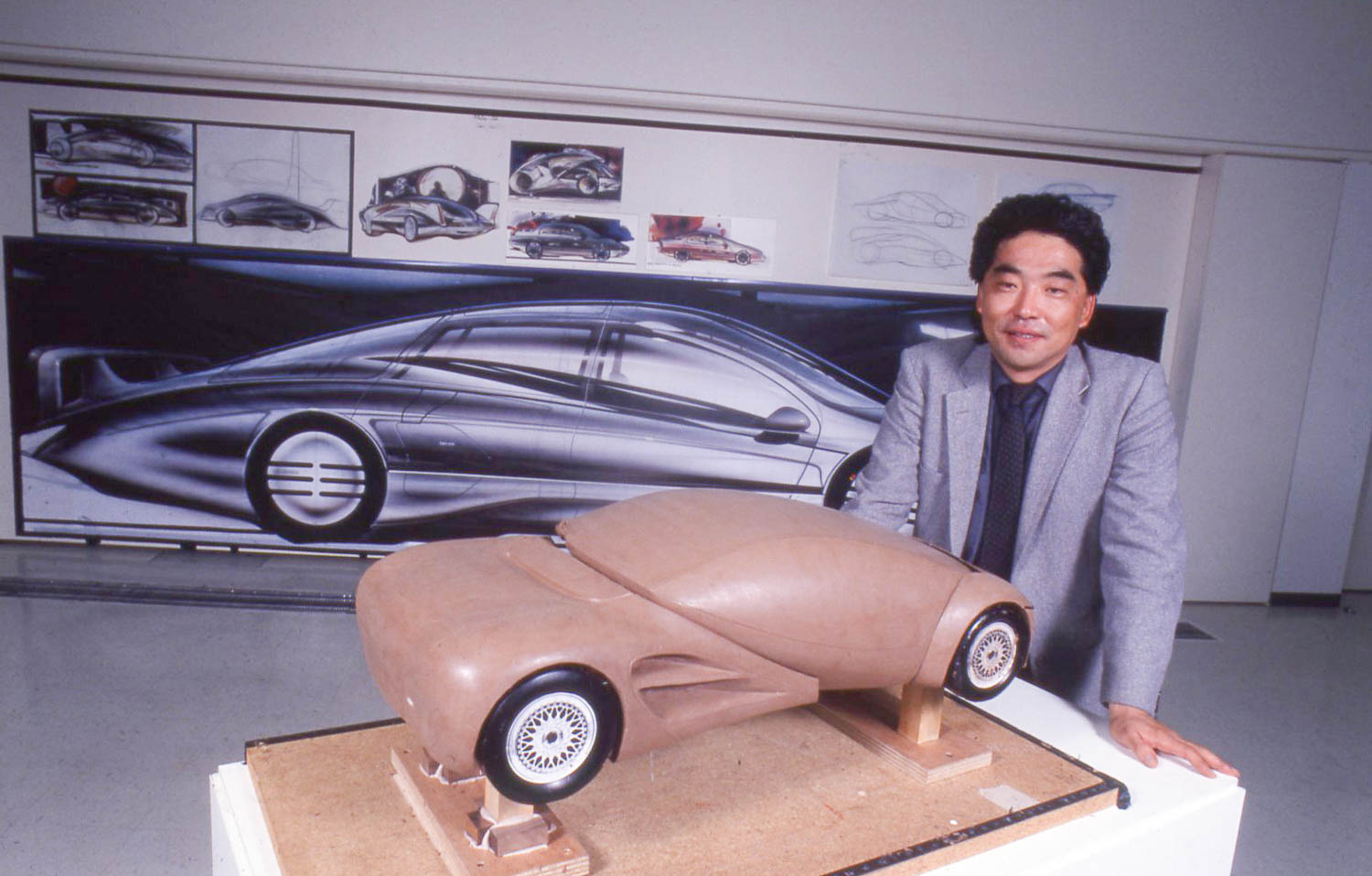
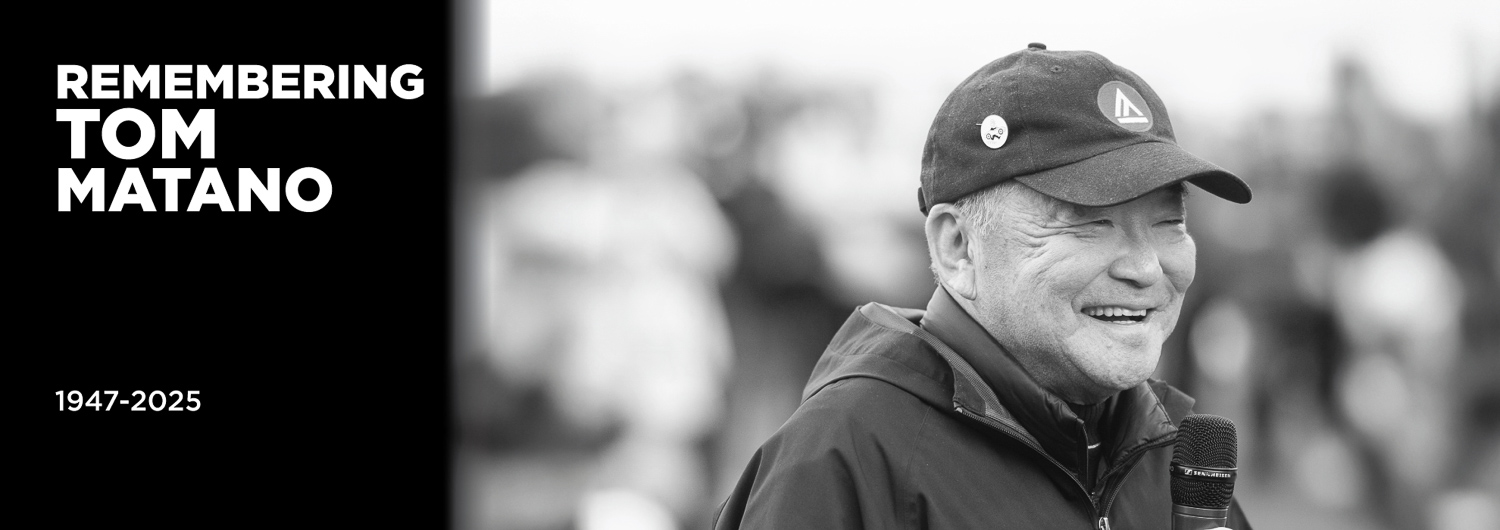
Remembering Tom Matano
by Dick Ruzzin and Tom Semple
Edited by Gary Smith
Dick Ruzzin
Tom loved car design, so anyone with a similar passion immediately found him as a person of friendly and fruitful association.
I was chief designer of Advanced Oldsmobile studio. One morning, Dave Holls, executive director of the advanced sign area, walked in. “We just hired a young guy from Art Center,” he told me. “He is an absolute gem. You will love him.”
My studio engineer overheard the conversation and immediately ordered a desk and taboret for him. One of the designers went down to the supply office and brought back a complete designer kit for him—everything required to do the job at the time.
About an hour later, Dave brought Tom in. He was wearing a tight blue suit and had a big Afro. He looked around at everything we were doing. He didn’t say much, but I could tell that he was really excited. About a half hour later Bill Mitchell walked in, looked around the studio, walked right over to Tom, and shook his hand. Later in a conversation with Tom, he told me that Bill thought that because he was from Japan that he would know everything about motorcycles. “It was the opposite,” Tom said. “I didn’t know anything.”
Shortly after Mitchell left, I invited Tom to go to lunch. We drove to a nearby Coney Island. I ordered two and he ordered two. There wasn’t a lot of discussion during lunch, but when we were finished, he said, “Do I have to order two more, or can I just get one?
I said, “Have you ever had a Coney Island before?
“No,” Tom replied. “I did four years of Art Center in three years. All I did was order carryout Japanese food.”
Tom was a foodie and we had great times together. Other designers, including Tom Semple and Charlie Graeffe quickly took to Tom and we had a great time together. In those days we would meet for coffee every morning before work in the cafeteria around a big table. Joining us were Kip Wasenko, Jack Gable, Tom Semple, Charlie Graeffe, and several other designers. We had the most fun with Tom. He was easy to talk to and had a great sense of humor.
Since Tom was alone and looking for a new apartment, I invited him out to dinner at my parents house on Sunday. We went out there and he made a great impression. He confessed his love for Italian food, and especially for pasta. My parents really took to him and soon he visited them on his own! I think he even went fishing with my dad a few times but said that it was very hard for him, seeing live fish pulled out of the water.
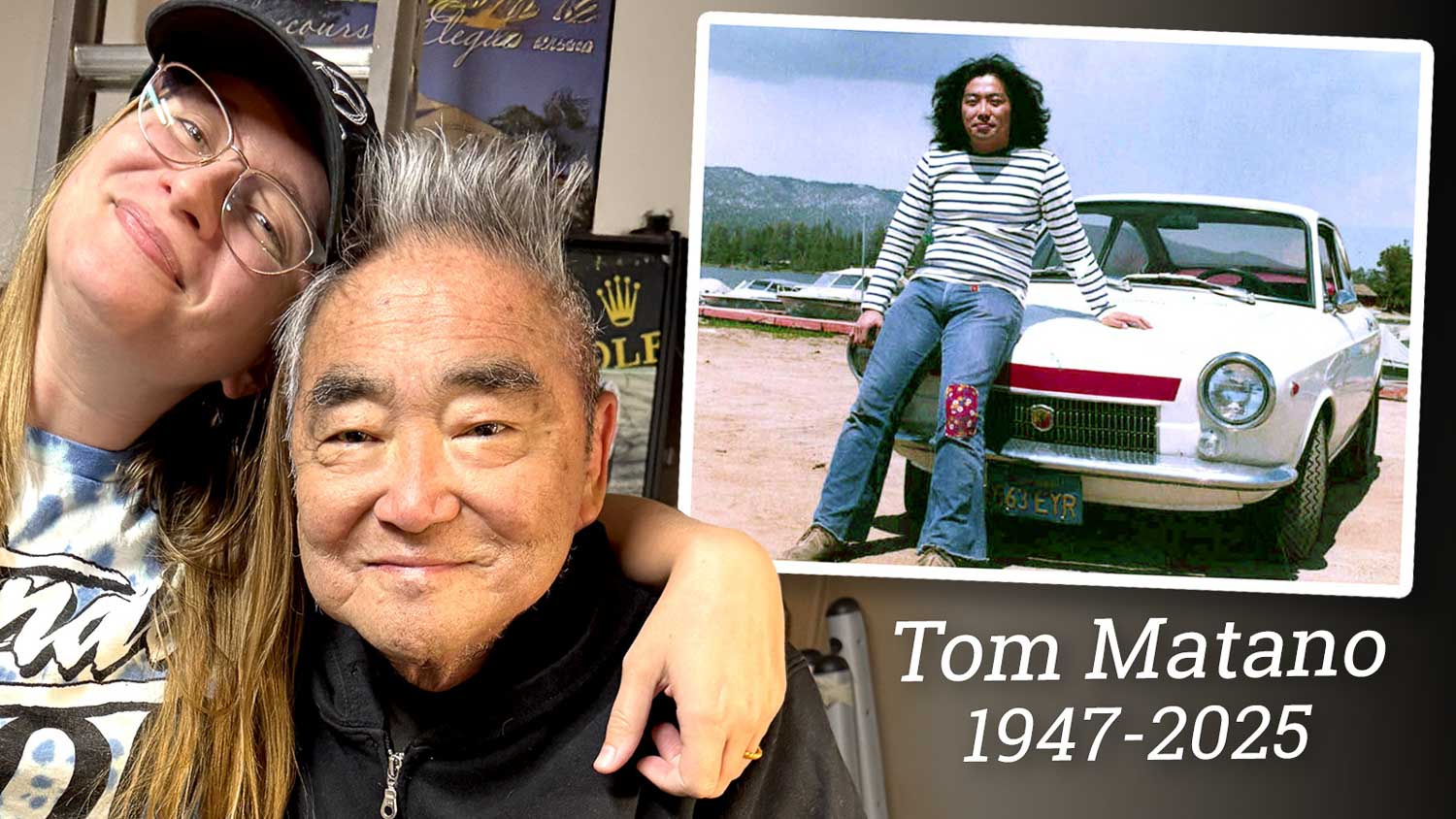
On weekends Tom would often come over to my house. He managed to get a new Fiat X19, black with a caramel interior. He said it was the perfect car for him as it went with Italian food that he liked very much. He always called them foods, with an “s” at the end.
At a restaurant Tom always started an Italian meal with two espressos. Once I went with him to a restaurant outside of Los Angeles. We walked in the door and instantly two espressos appeared on the table in front of him. The waiter asked me, “Do you want one too?”
Once Tom told me that because his name ended with a vowel that he certainly must’ve had some kind of Italian history, even though he was from Japan.
About that time I purchased a Honda 600 sedan and proceeded to make it into a Tokyo hot rod. It had been a Detroit inner city car and somebody had walked on it. It took a lot of bodywork. That’s when I learned that I didn’t want to do that again, even though I ended up doing it two more times. Tom arranged for his mother to buy two of those mirrors that were located on the fenders for me, as I wanted it to really look like it was in Japan.
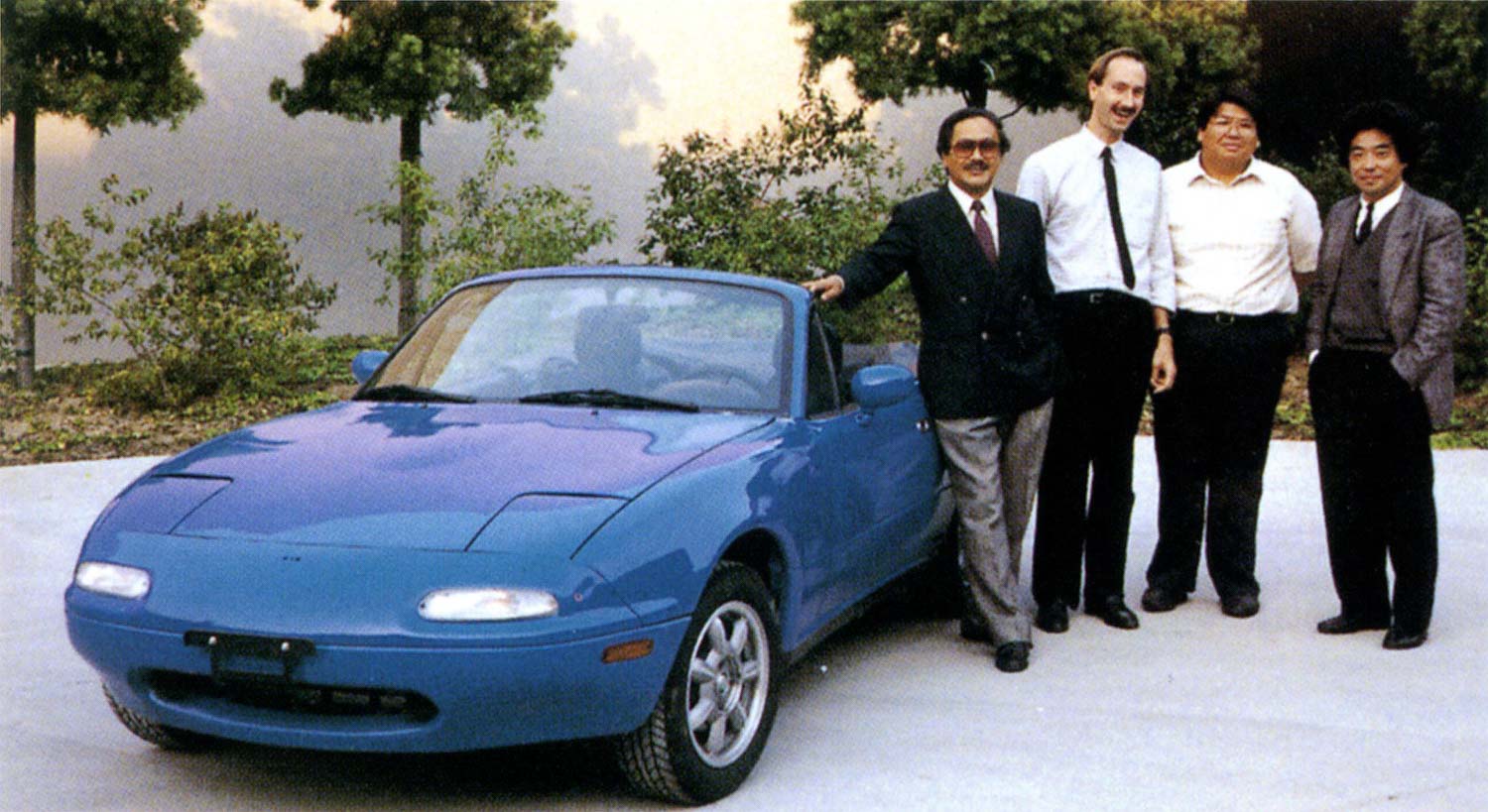
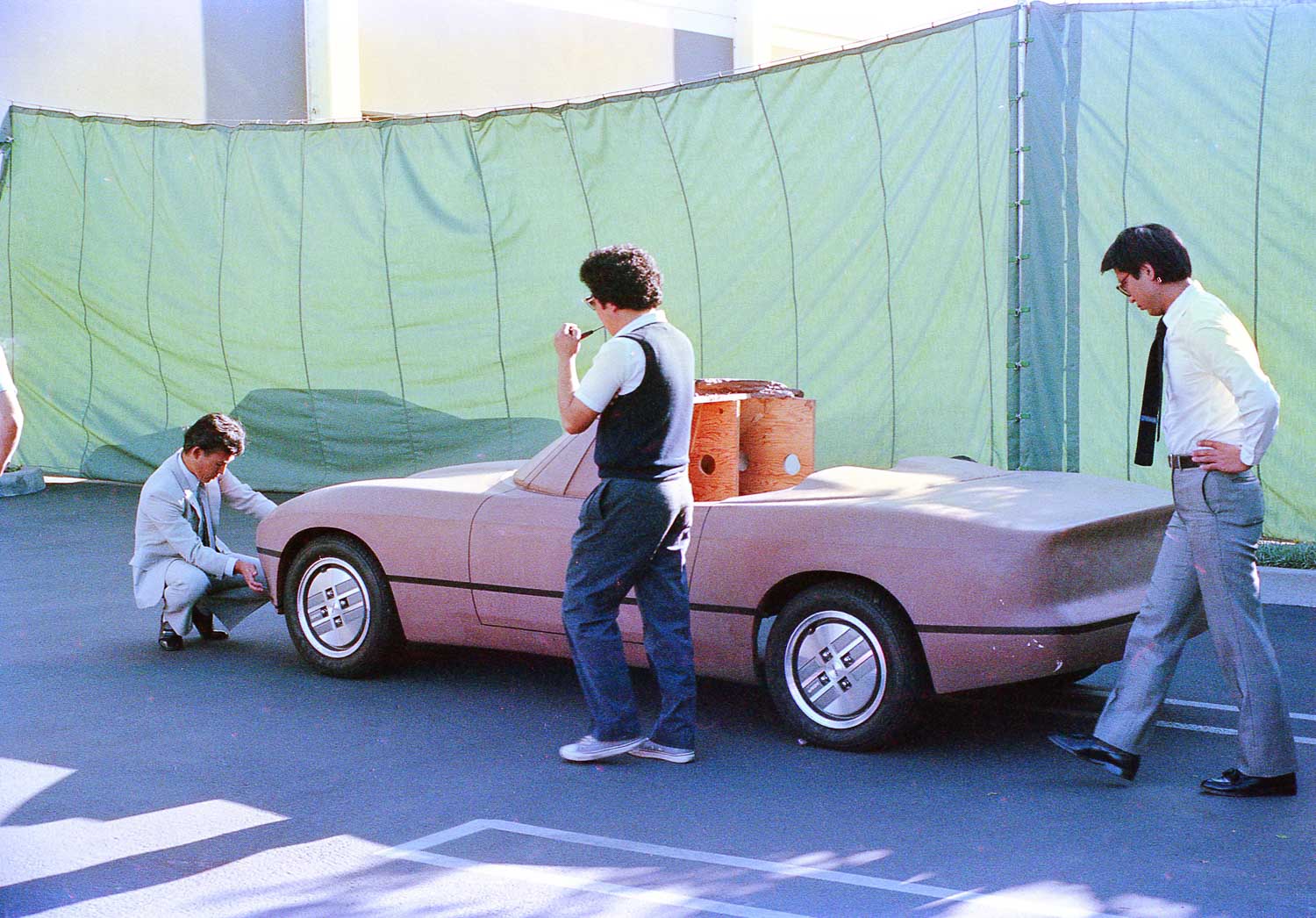
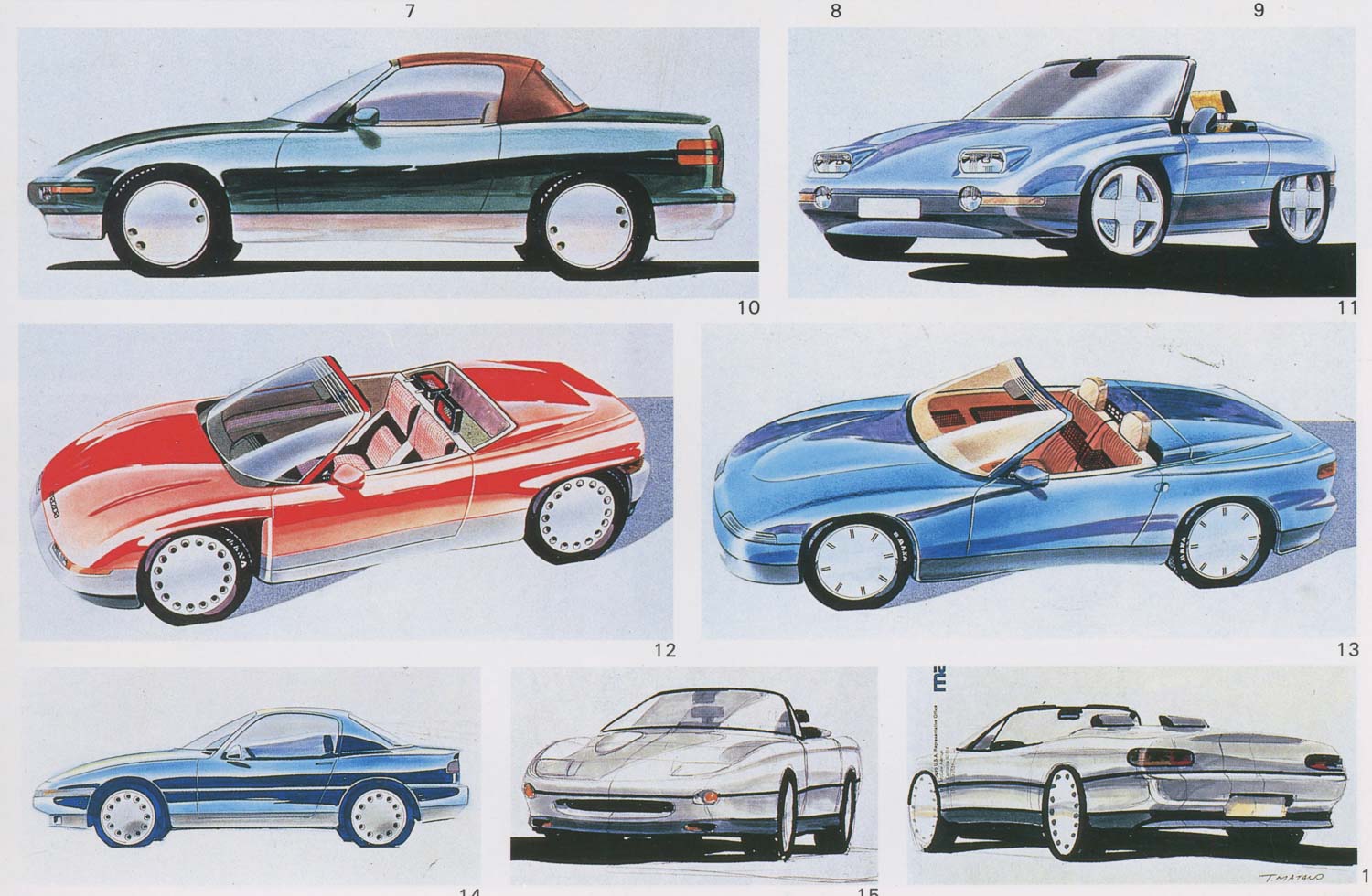
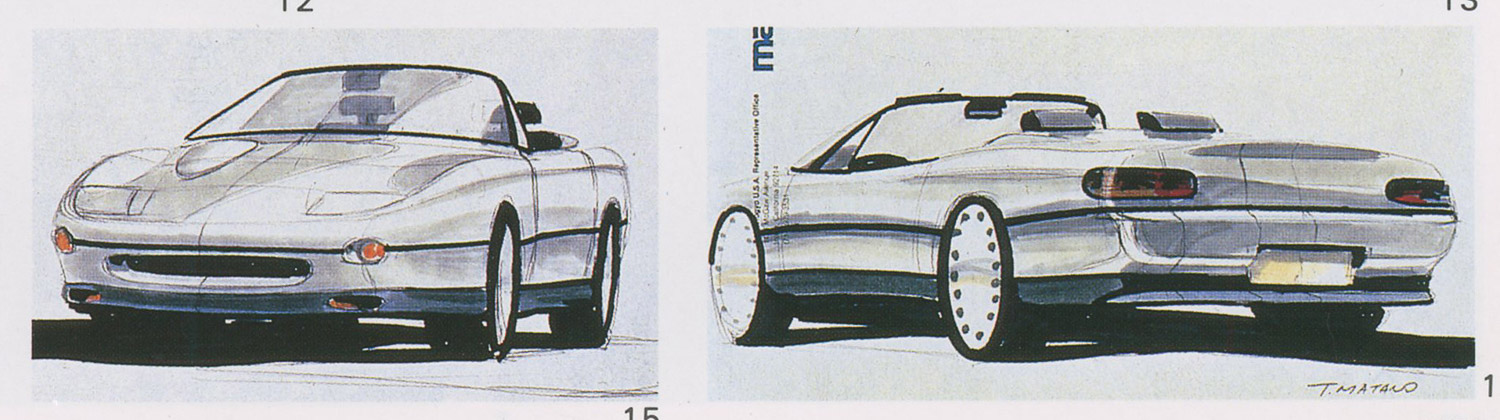
We only talked about the Miata once. Tom told me that the engineer in charge came over just as the clay buck was ready to start modeling. So they stayed almost all night, each started at a wheel opening and modeled toward the middle. When they got to the middle of the body side, they both had the same section. He told me that he knew when that happened that the development of the design would work out great, and they were not going to have any problems.
Tom always talked about his students at SFAA (San Francisco Art Association). The last time I spoke to him, about two weeks before he passed away, he told me that one of his students that was working at Ford had come to visit him while he was sick. To whoever that person was, God bless you. You have no idea how much that meant to him.
Tom was friends with all of us at GM Design. When the end of his three-year visa was approaching, the corporation tried to get it extended. They were not having any luck, so my dad had a friend who knew a congressman, and they also tried. They didn’t have any luck either, and in the end Tom had to return to Japan.
He soon found work in Japan with Volvo. They were putting together a large product clinic to be presented in Tokyo. He worked on that for six months, not only on the presentation, but he also helped develop the questions and the process, which he thought was quite interesting. He was very happy to have the opportunity.
Just about the time that was finished, back at GM Design, Leo Pruneau, who had spent a lot of time in Australia at Holden, was able to get Tom an assignment in Australia. Tom went there and stayed for a number of years, until the time when Holden was told that all of their cars were going to come from Opel. That meant that complete new platforms would not be developed at Holden, and Tom would no longer have a chance to design cars that were unique. That lead to looking for an opportunity elsewhere. He found one at BMW.
In Germany, Tom had the chance to meet his design hero, Hideo Kodama, the first Japanese designer hired at a car company in Europe. He was also one of the first hired at Opel Design by Clare Mackichan, and he would stay his entire career. Hideoe did a number of articles in a major auto magazine about car design and illustration. Beautiful drawings.
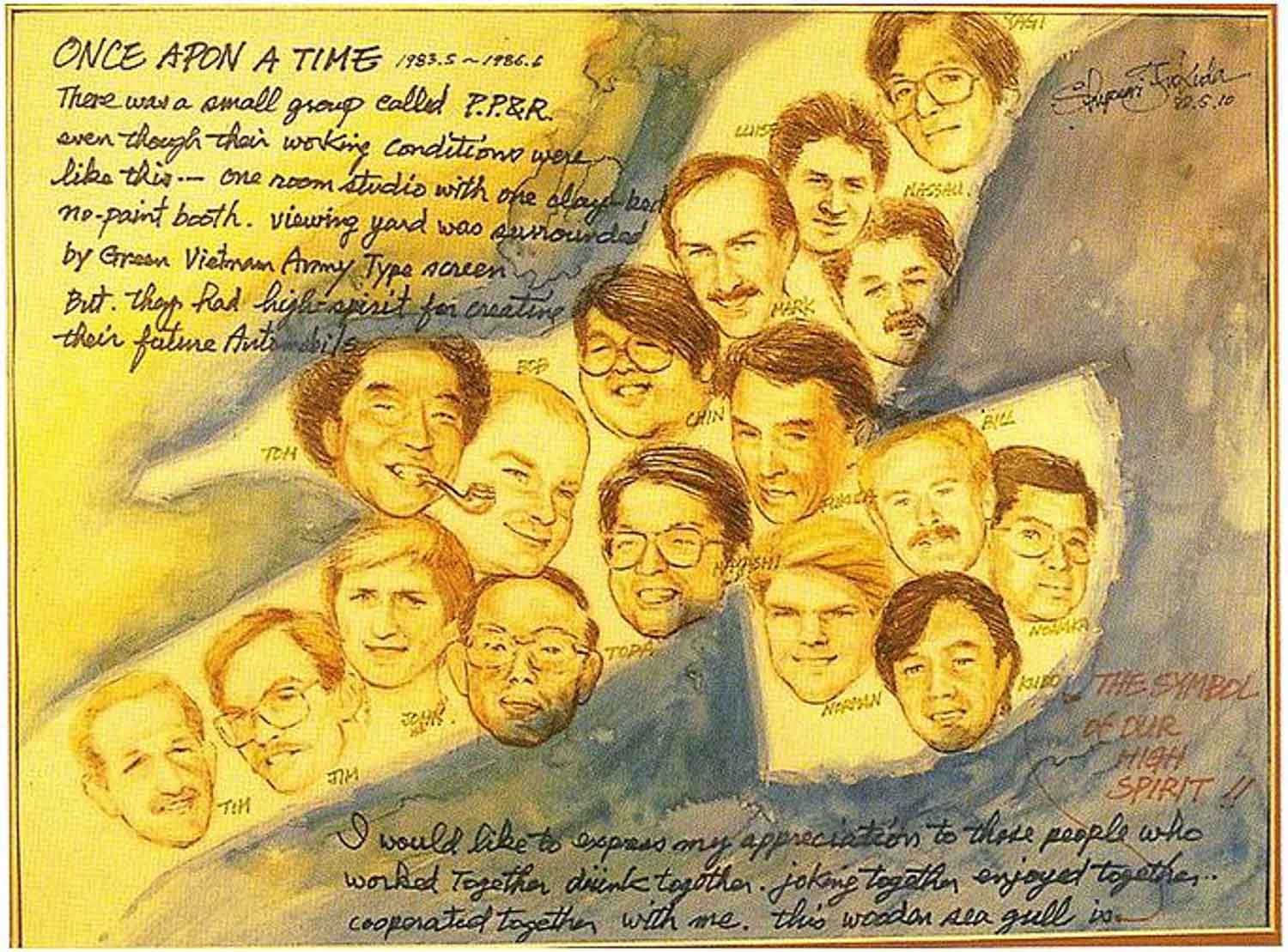
While he was at BMW, Tom wrote in a letter to me that he really wanted to come back to the United States, as he found traveling around the world that people in America had the greatest passion for cars of all kinds, and he felt that was the place that he wanted to be. Shortly after that he found out about the opportunity at Mazda, but was first told that they only hired people from within the company. So he was very surprised when he was hired. The next time I heard from him, he asked if I could send him a drawing of mine to be placed on display at the Mazda Design Center in California. He was appealing to all of his designer friends for artwork to create a display that represented car designers from around the world and at the places that he had worked.
About six years ago, Tom invited me to San Francisco to judge a car design contest at SFAA where students proposed designs for the Chevrolet Nomad. Since I had retired as Director of Design for Chevrolet Cars a few years earlier, he thought I might be a good judge. I went out and we had a great time.
He took me to all his favorite restaurants, and he had a party at one of them to launch the finalization of the design program. He said we had to go two hours early to make sure everything was going to be all set. It sounded like a little more time than necessary, but I would find out later why we needed it.
While we were there, Tom was going to decide on the menu. That meant tasting all the appetizers and entrées, and then choosing the ones that would be offered to the guests. That was a great opportunity for Tom to taste everything in the restaurant! We had a great time doing it.
My friend Tom was a great designer and a great teacher, but more importantly, he was a great person who gave much to all who came near him.
Tom Semple
Tom was assigned to the same Advanced Studio that I was in when he first joined GM Design Staff. It was the late seventies, he came in with a giant “Afro” and pants so wide at the cuff they covered his shoes. We got along fine. He loved to eat, so I would take him home and cook him “Grease-Sauce” spaghetti after working overtime on Saturdays.
When we went out to lunch he drove his little fiat spider so fast that for me the experience became an exercise in feigned courage, urging him to go faster and being scared as hell when he did. I don’t recall that he ever crashed.
He had some immigration issues after a few years and was sent to Holden motor company in Australia. I kept in touch with him through letters back then, sending him a glazed donut smashed flat with instructions as to how reconstitute it to its original freshness.
On Saturday’s overtime antics he would sneak into the back room and eat donuts provided by some Samaritan in the studio. The only time he ever got visibly angry with me was when I called him out after he ate seven of the things.
I saw him last a couple of years ago as he was taking a group of Miata lovers through the Northwest. The first thing he did was laugh at my Birkenstocks. We went out to dinner the night he passed through here. We had a chance to reminisce about studio experiences, the surprising number of guys named Charlie, and other old friends.
He told me that he was treated like a kid when he came to GM, but that he was nearly as old as the rest of us. I guess it was because he was just so damn cute.
I was shocked when my wife Tari told me that Yolonda had called to say that Tom had died. Another friend from long ago, gone, and I wondered who would be next. If he is in heaven I hope that he is driving his old Valalunga as fast as it will go.
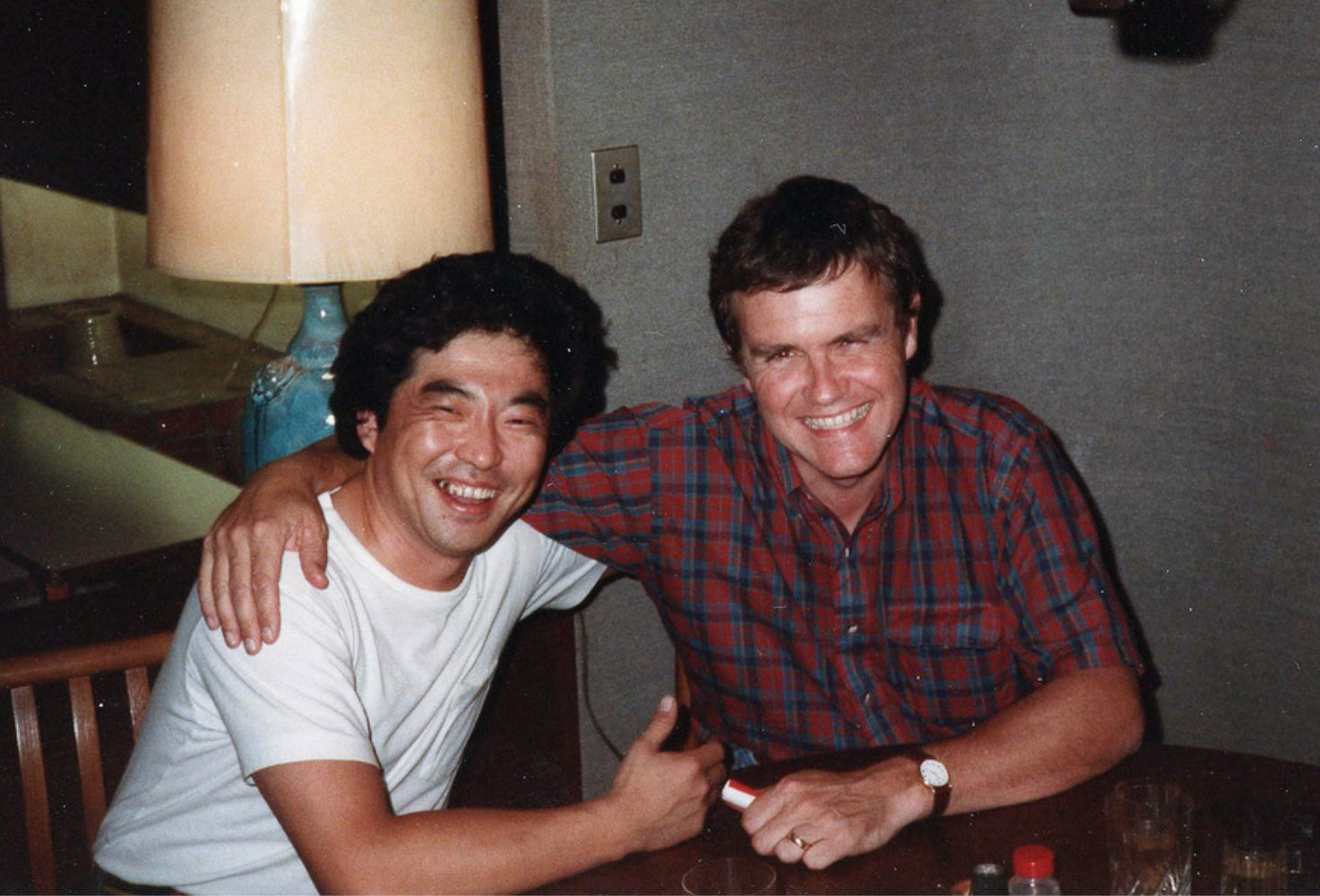
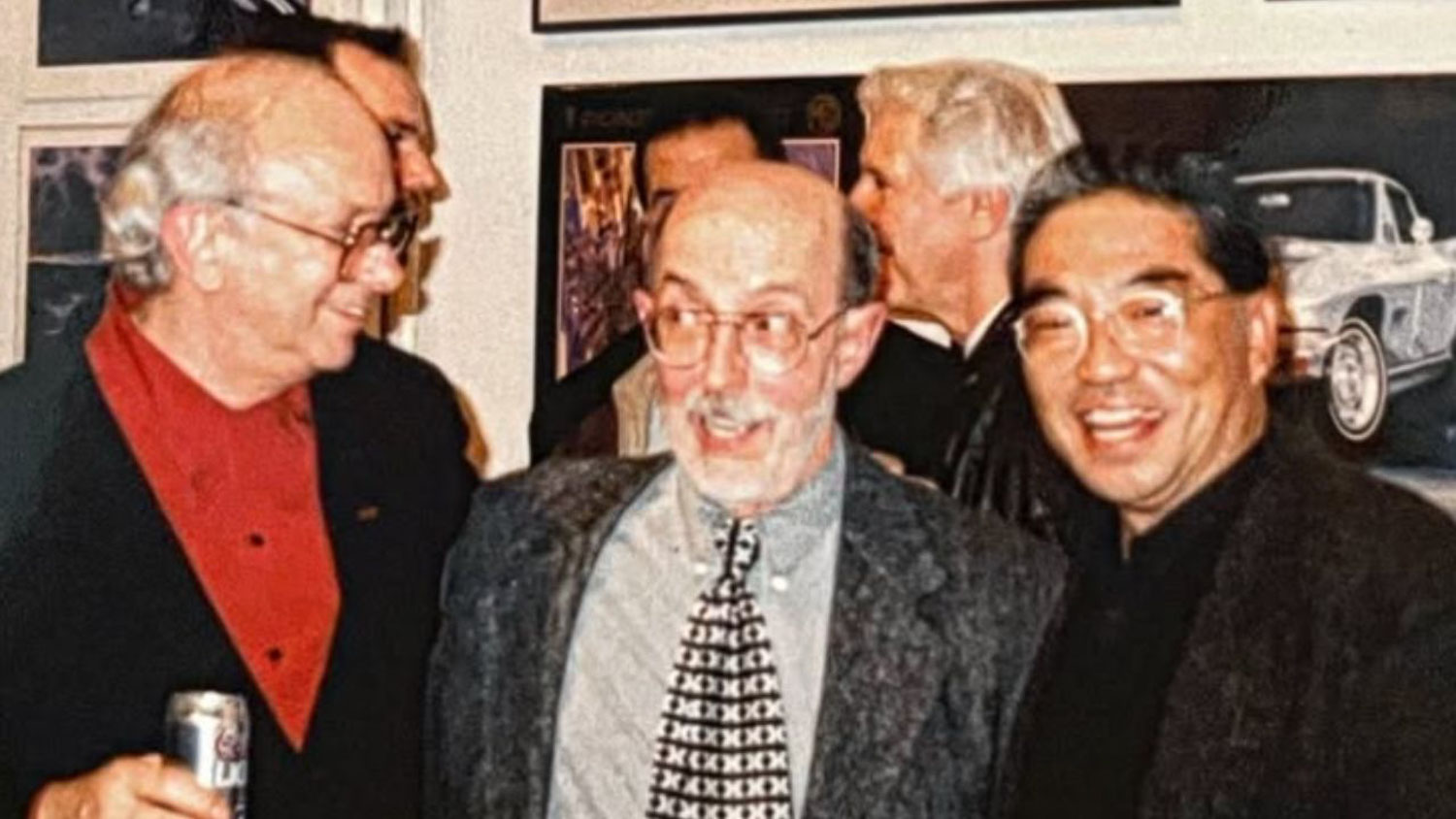
Tom Matano and Tom Semple, Tokyo, 1984
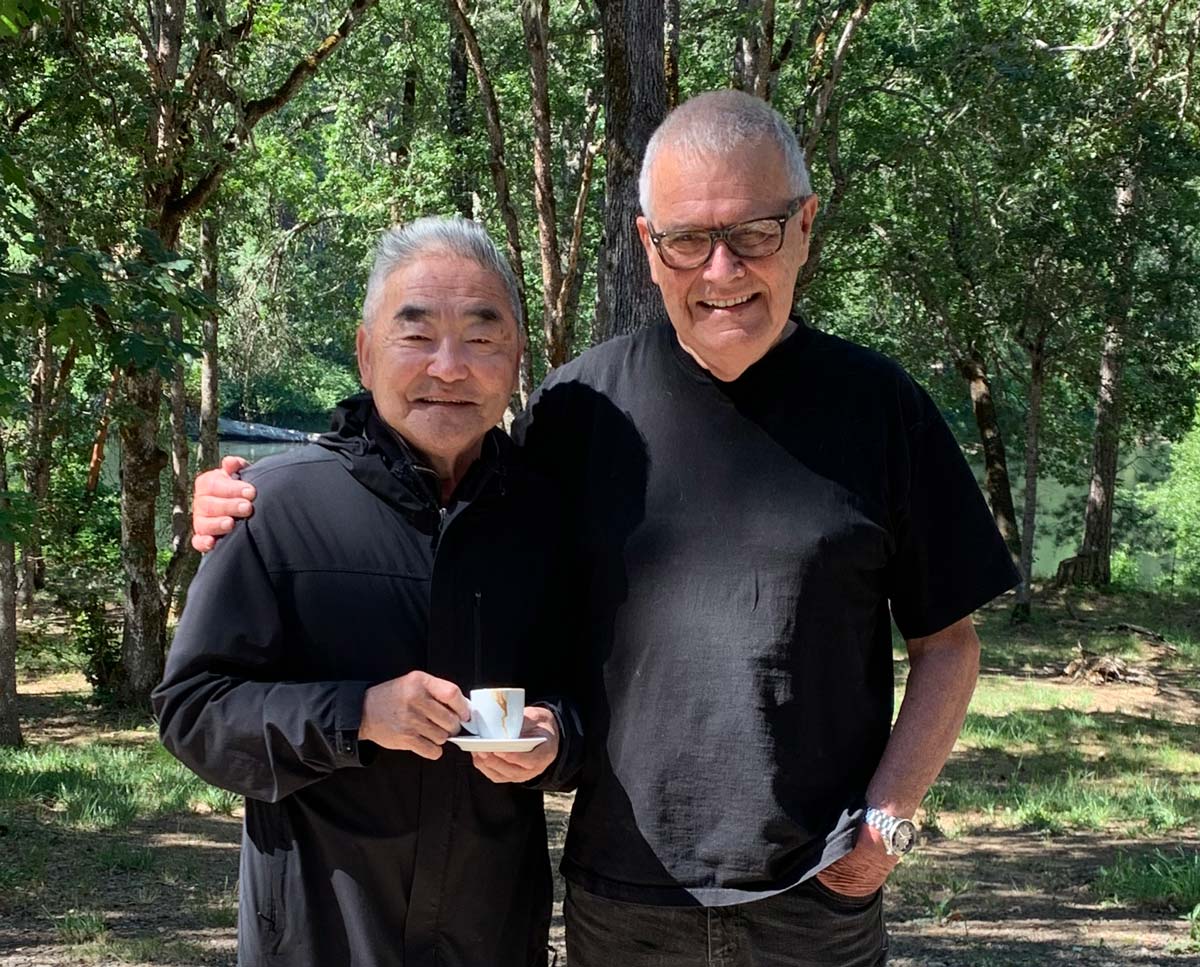
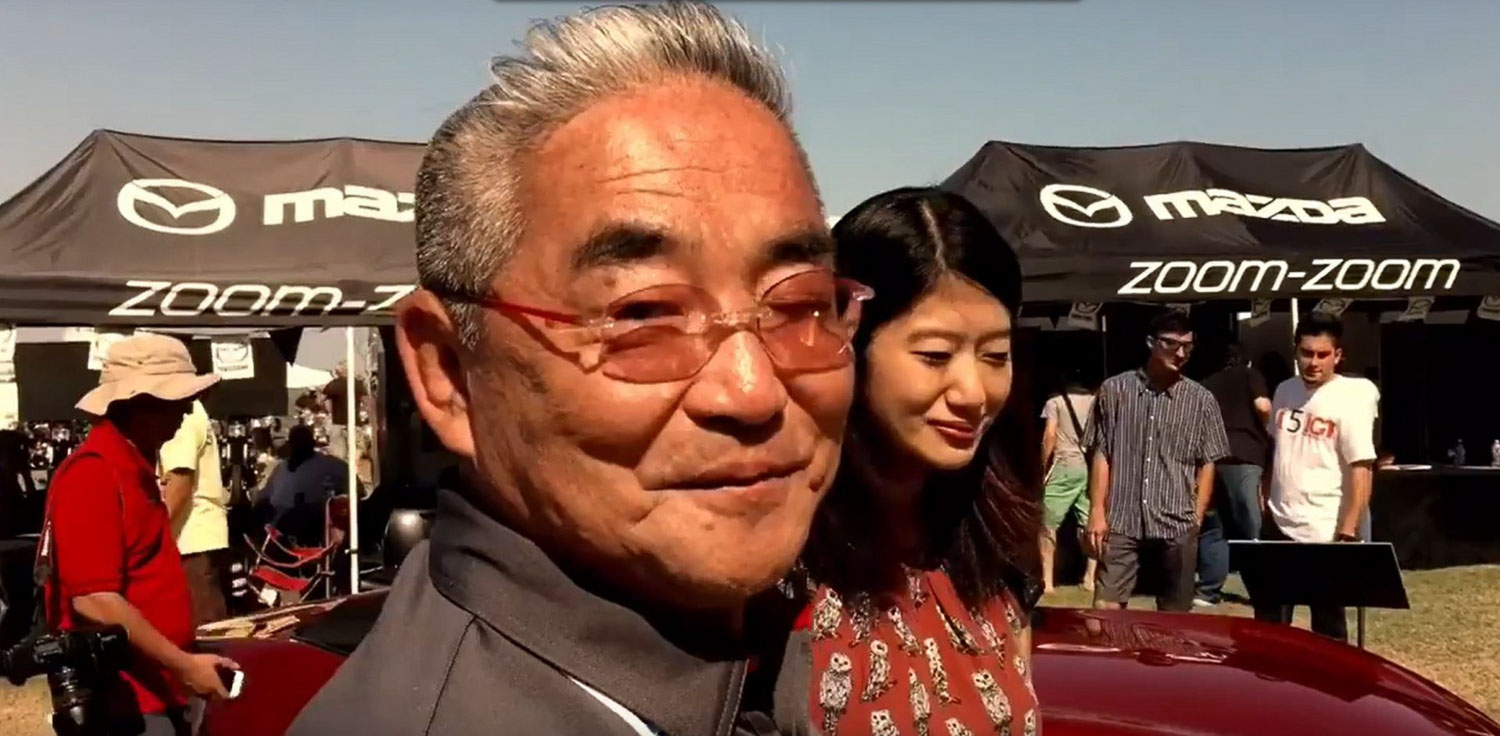
Tom Matano and Tom Semple, 2025
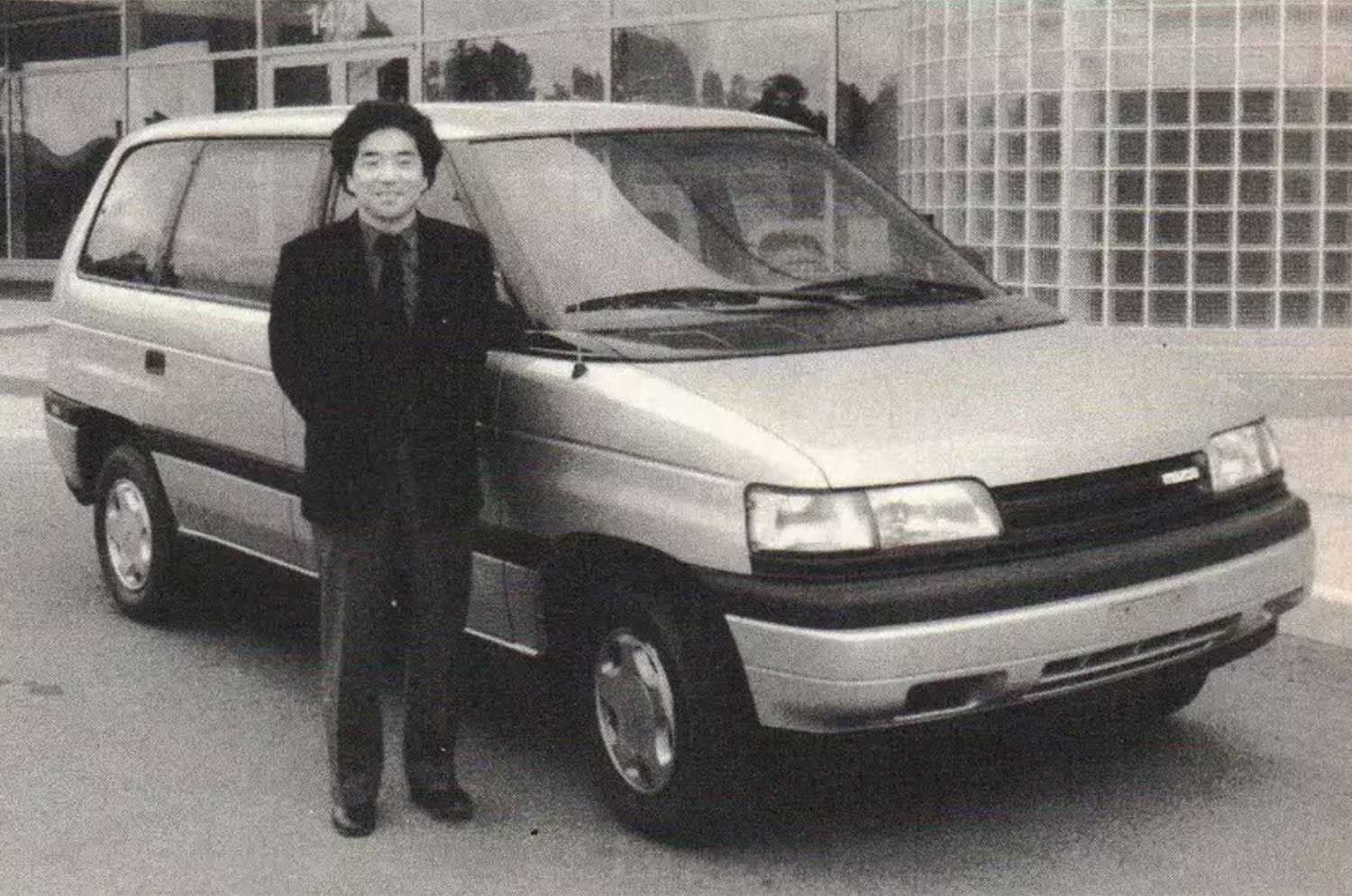
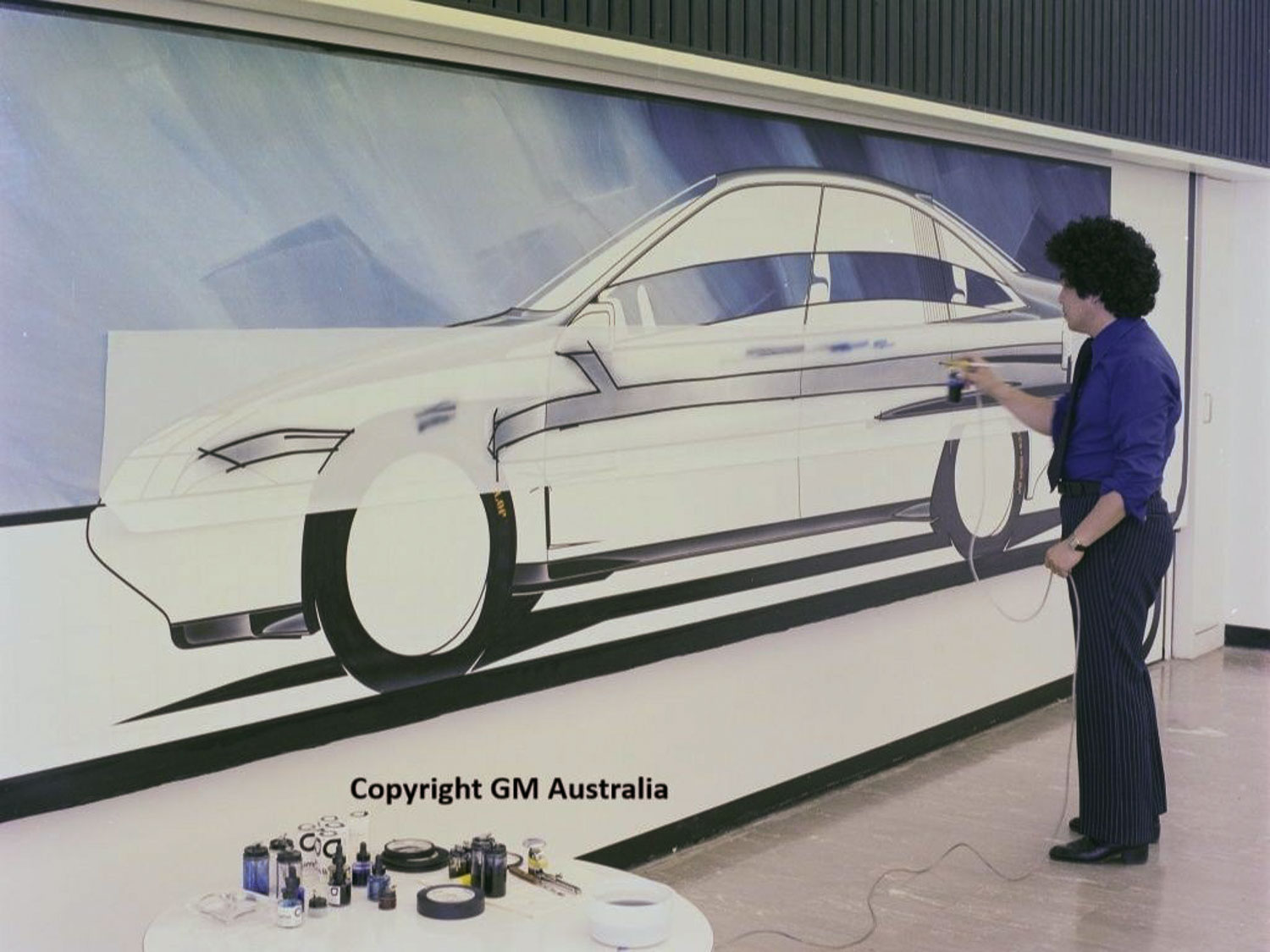
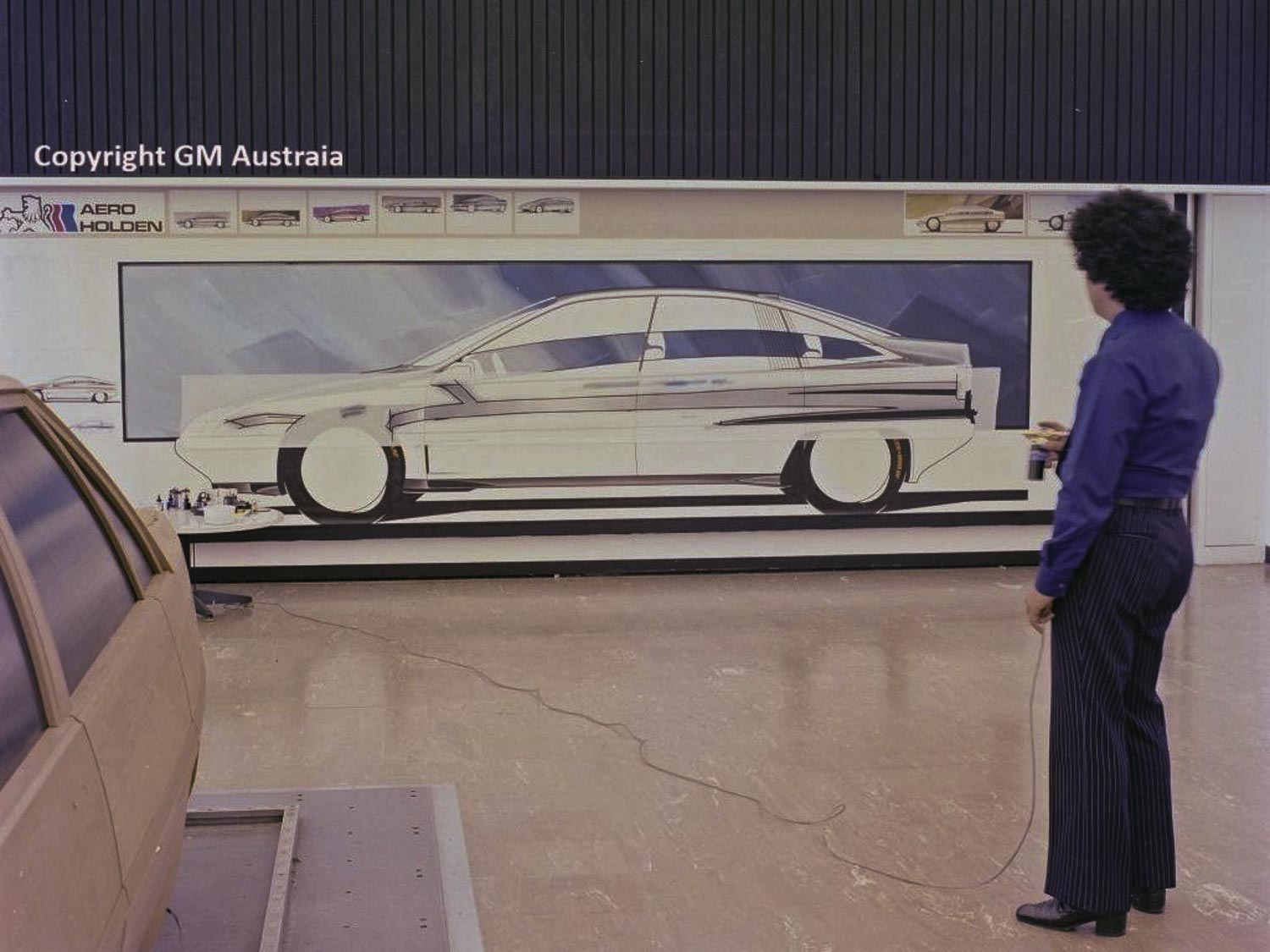
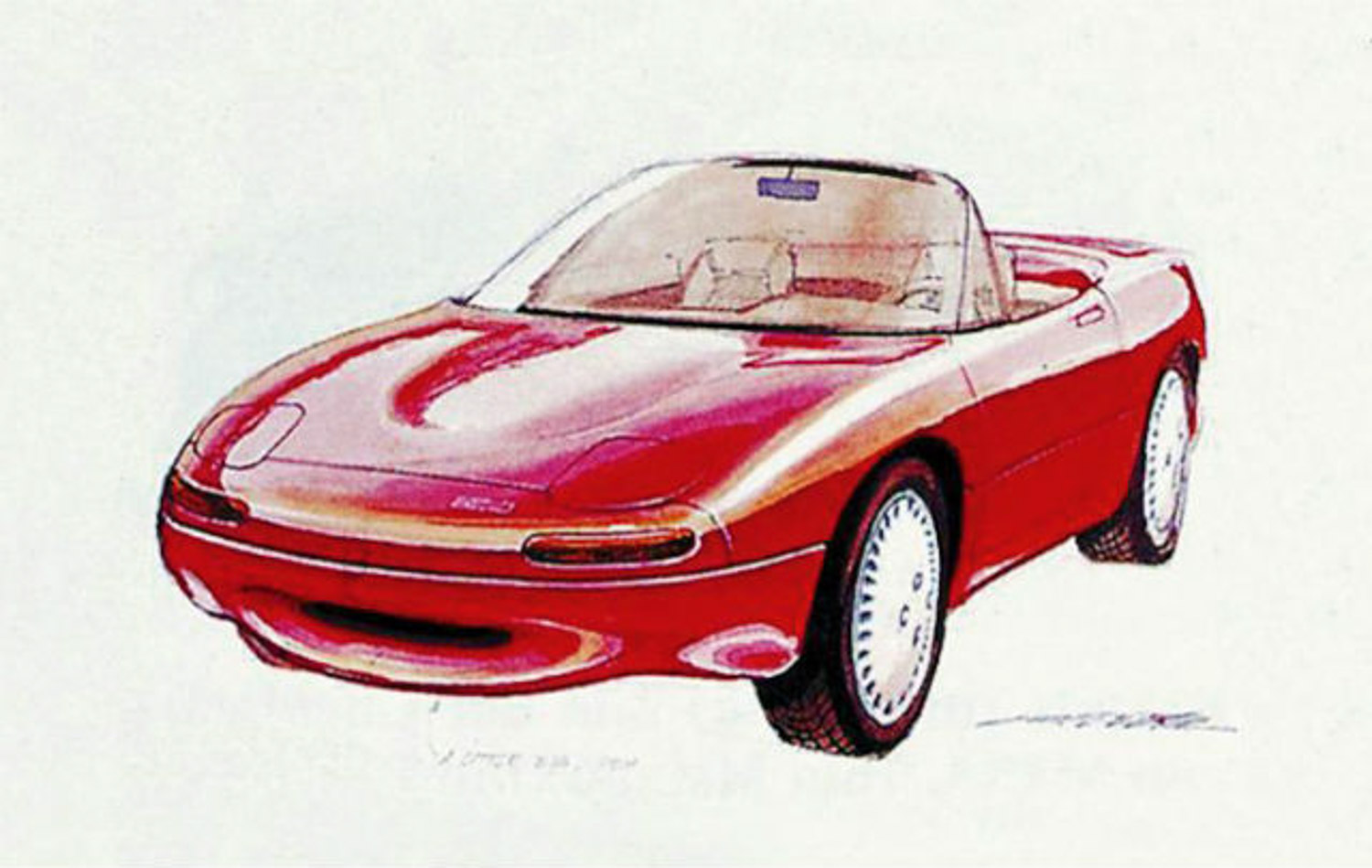
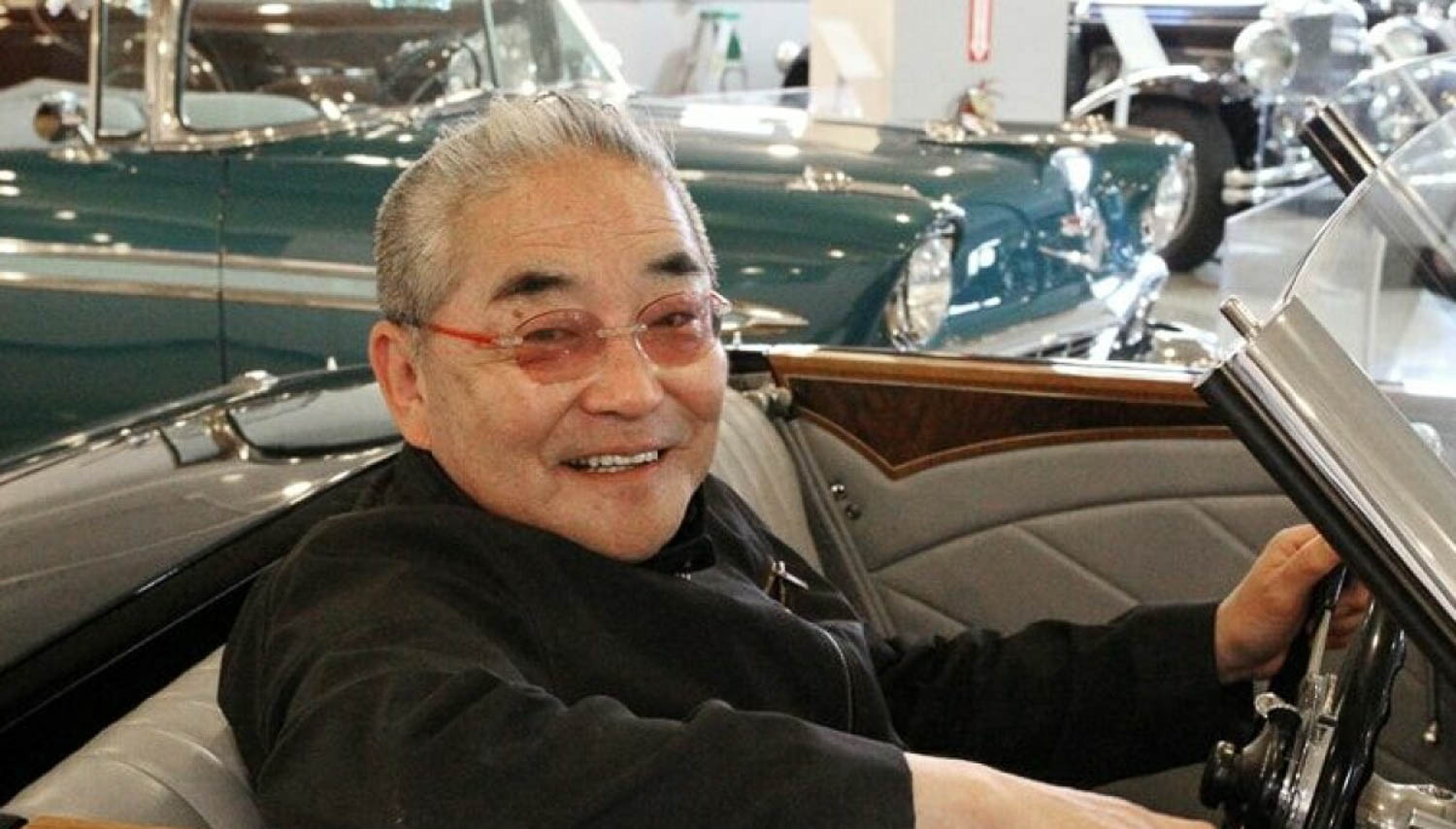
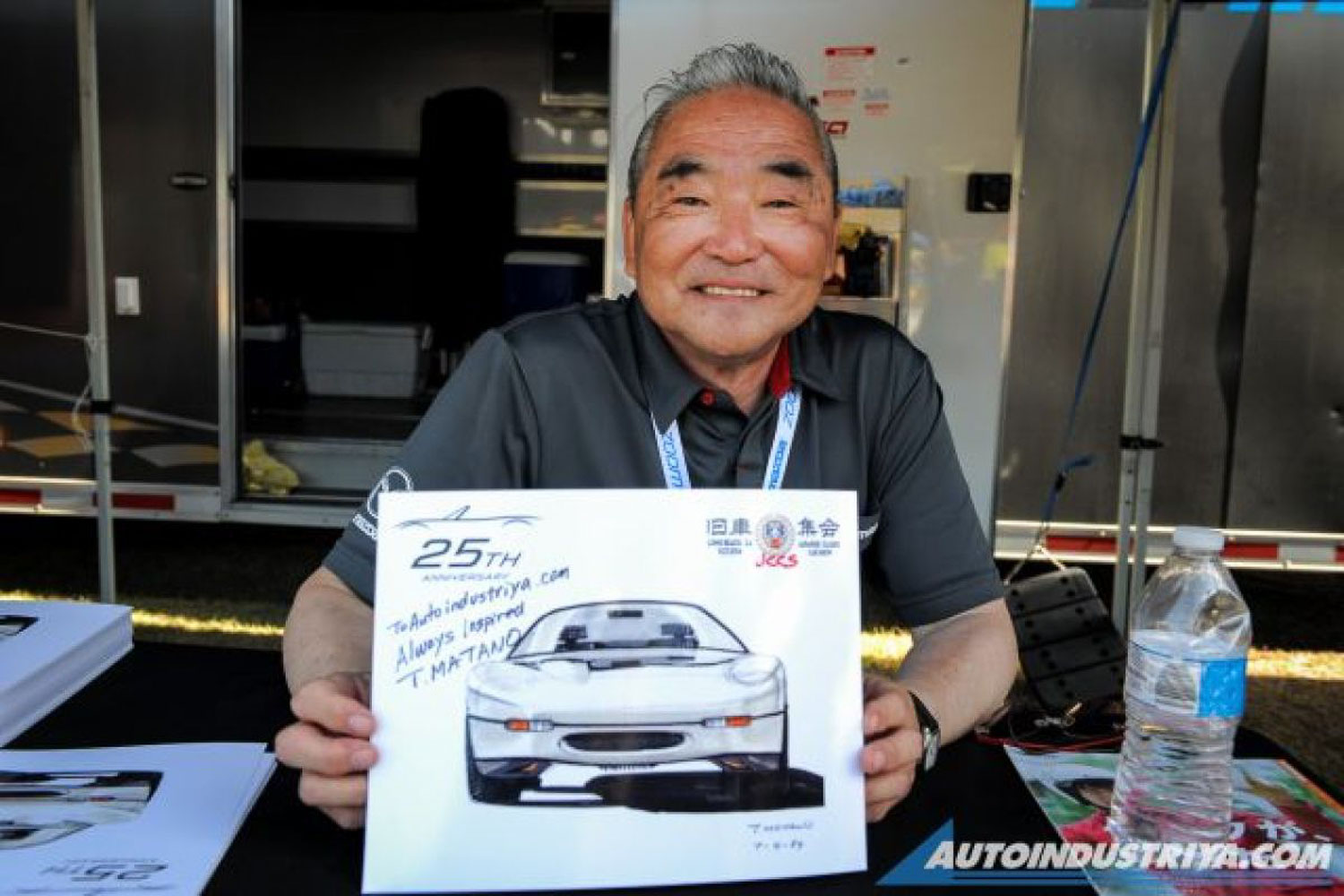
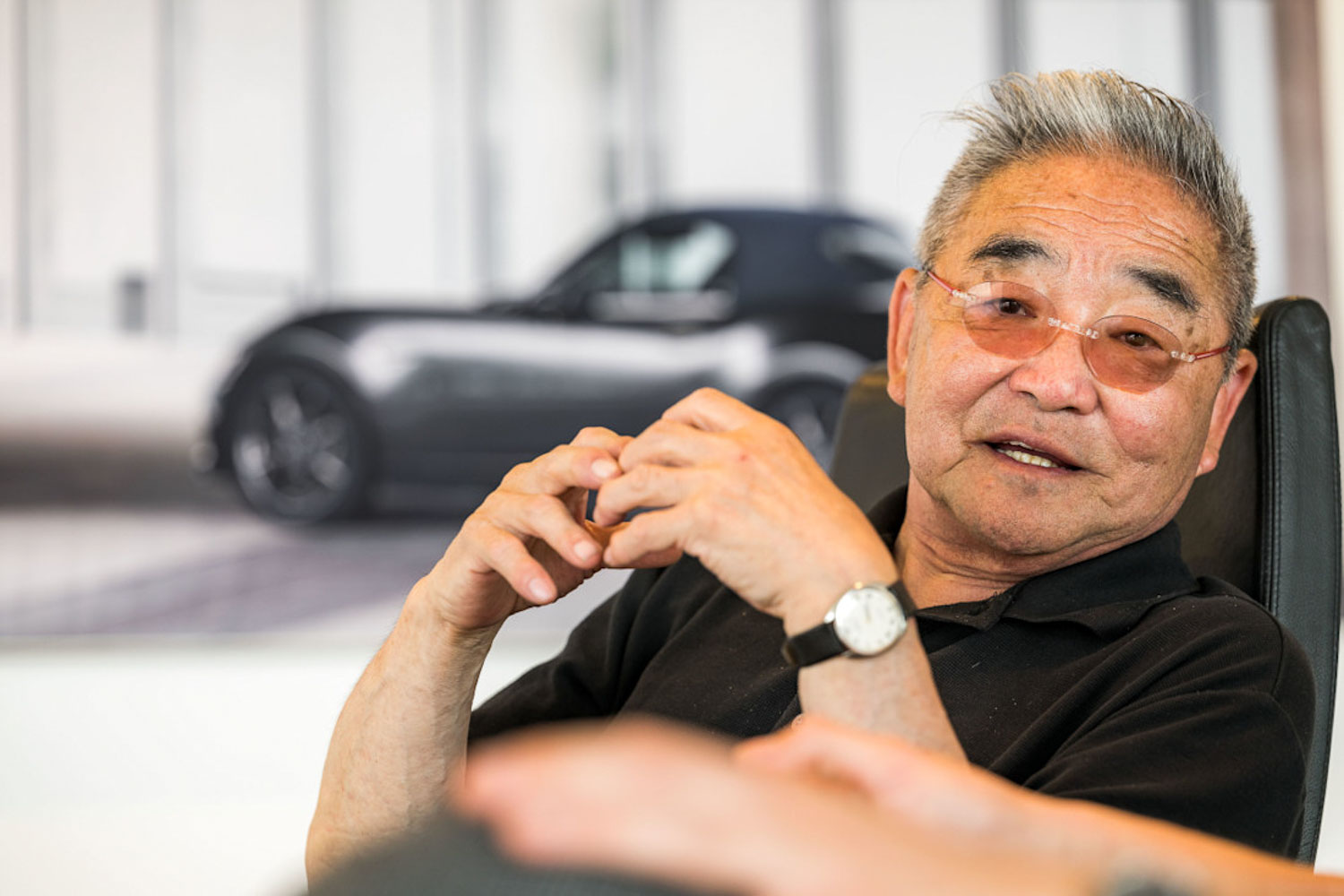
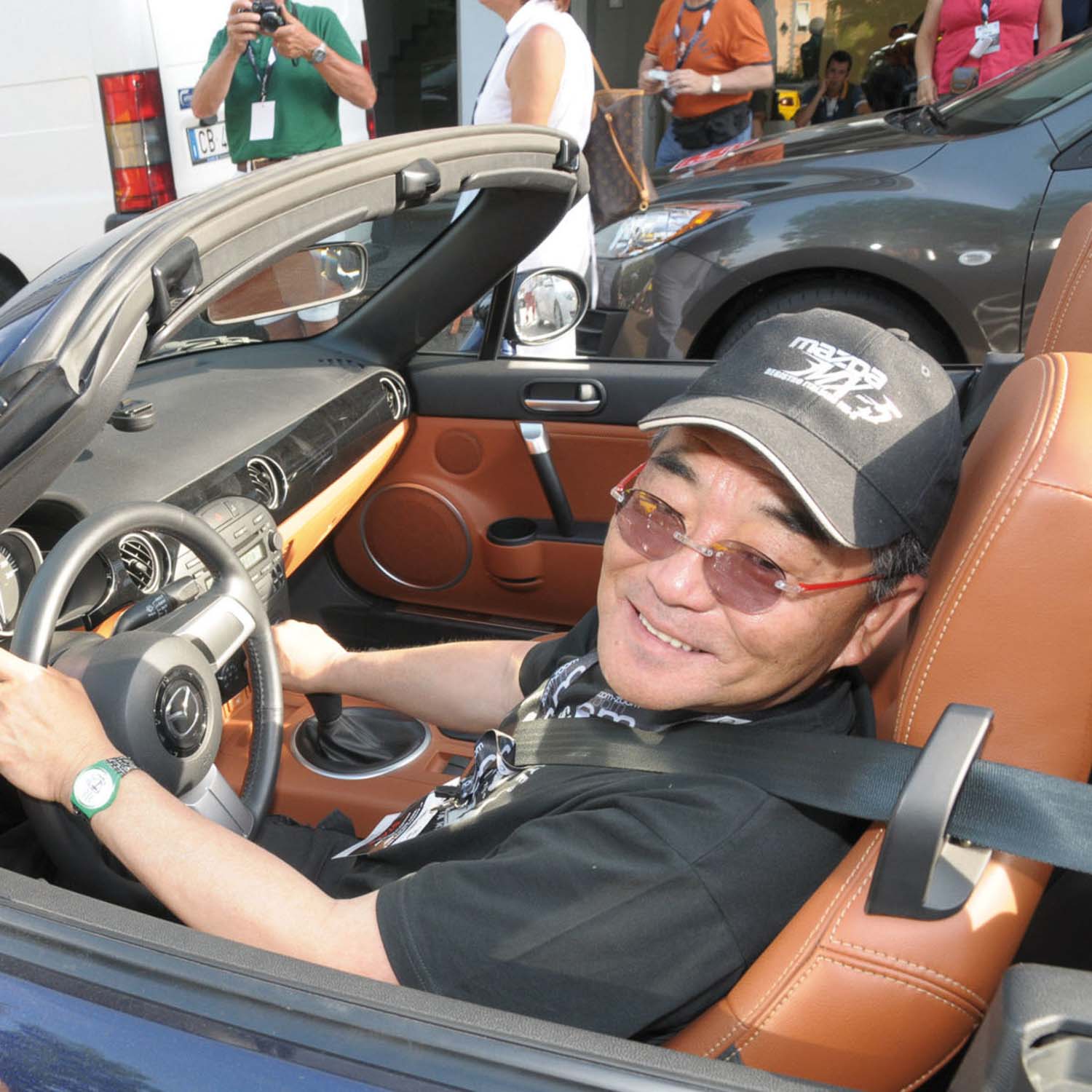
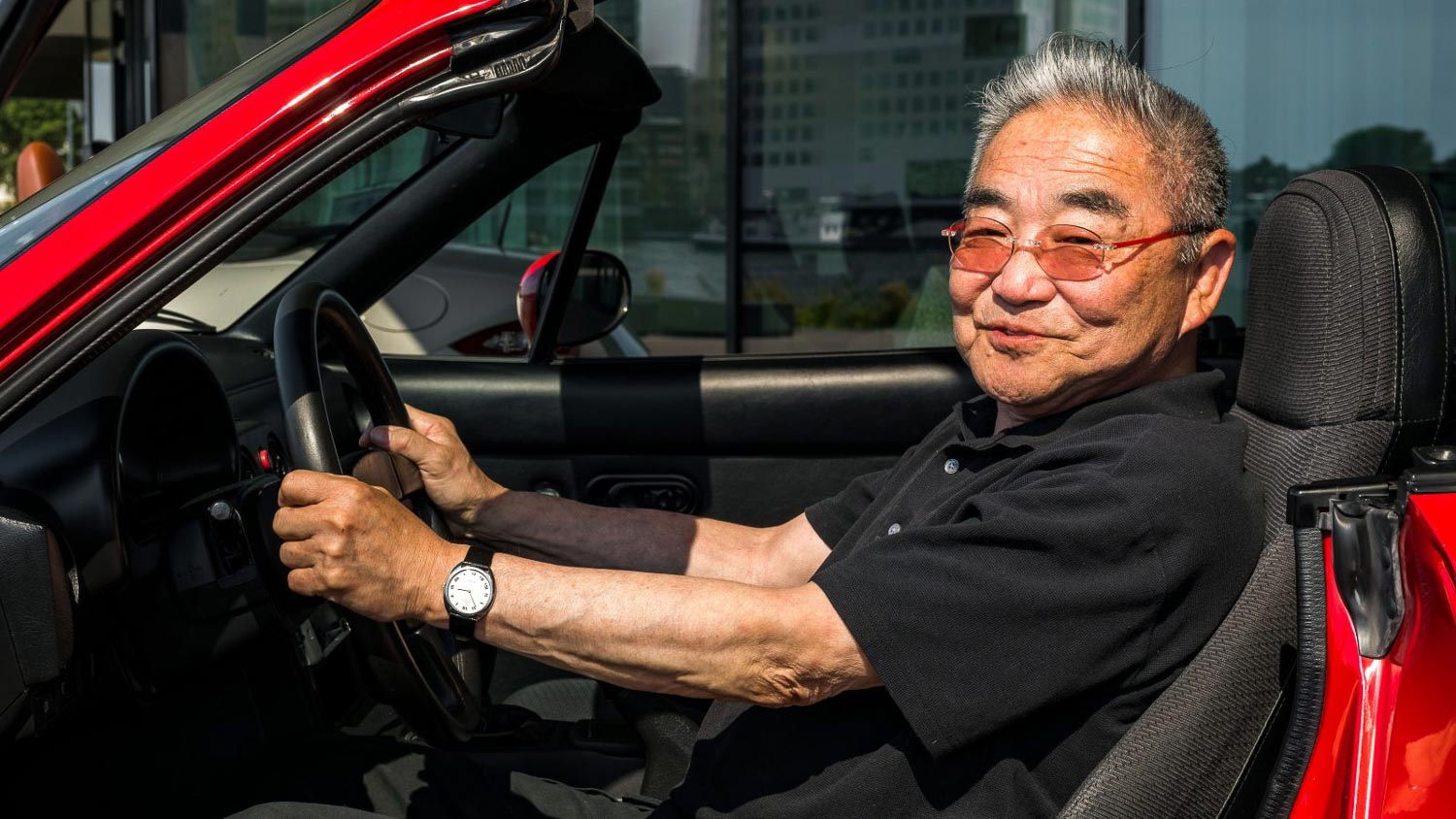
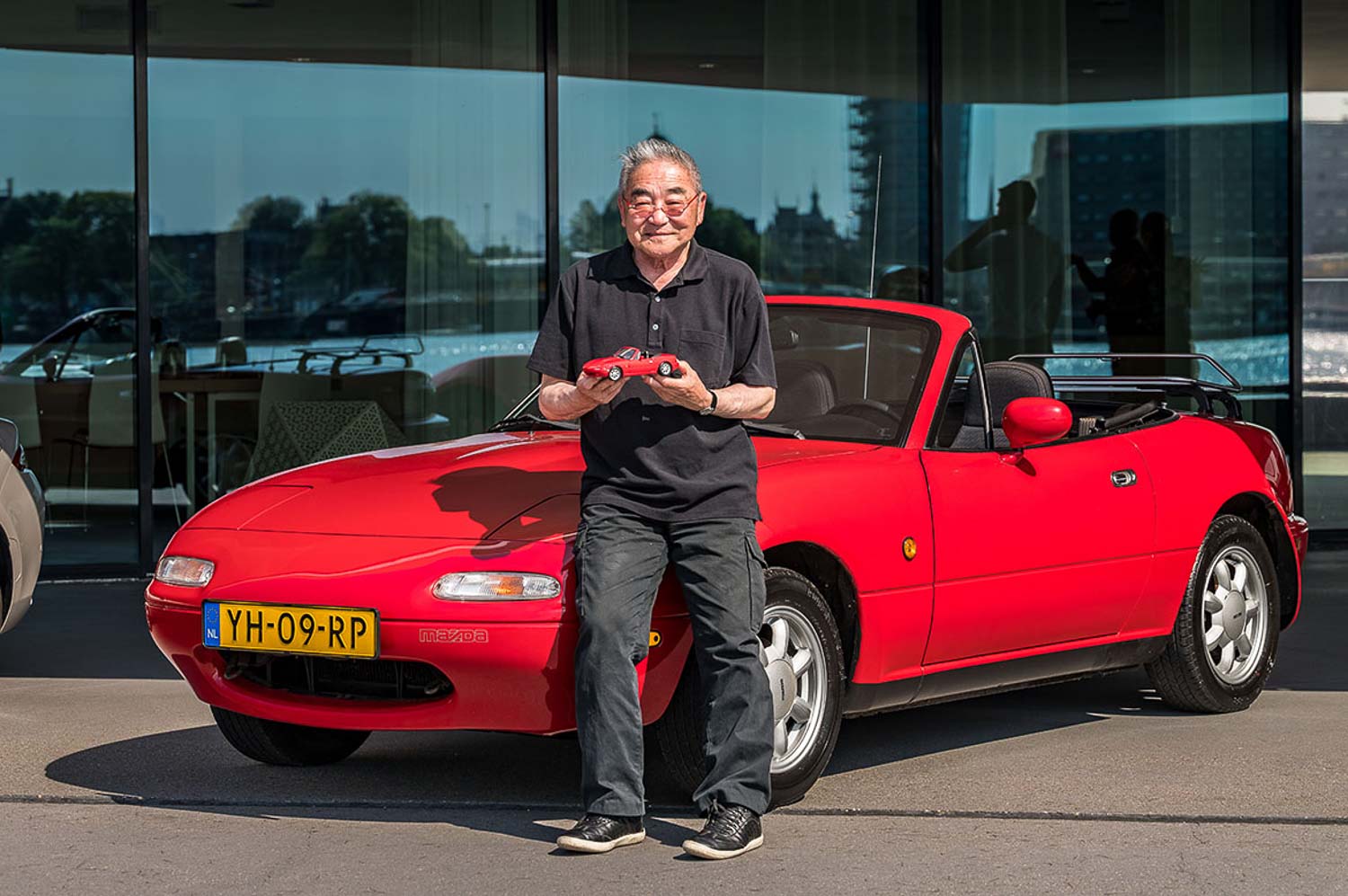
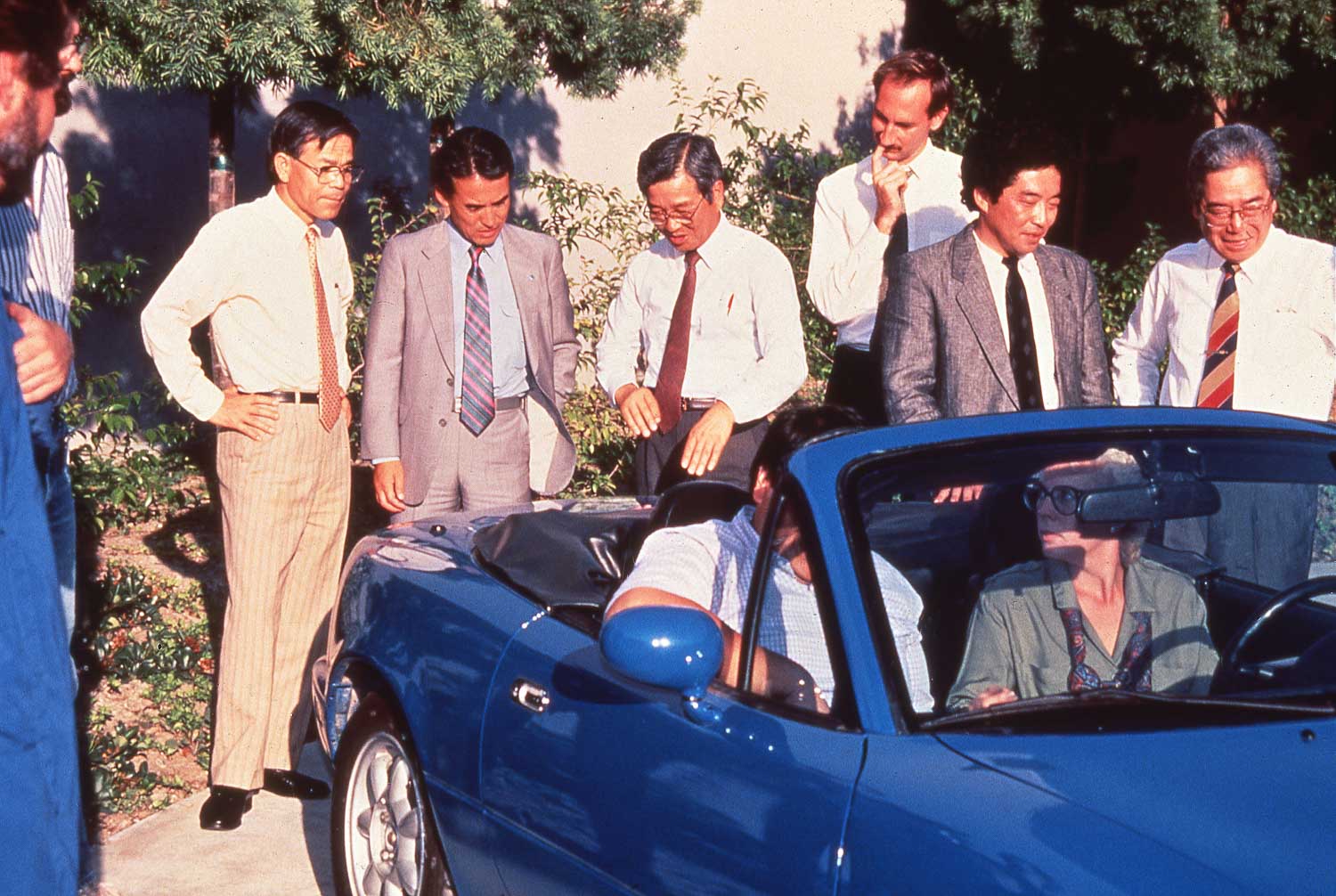
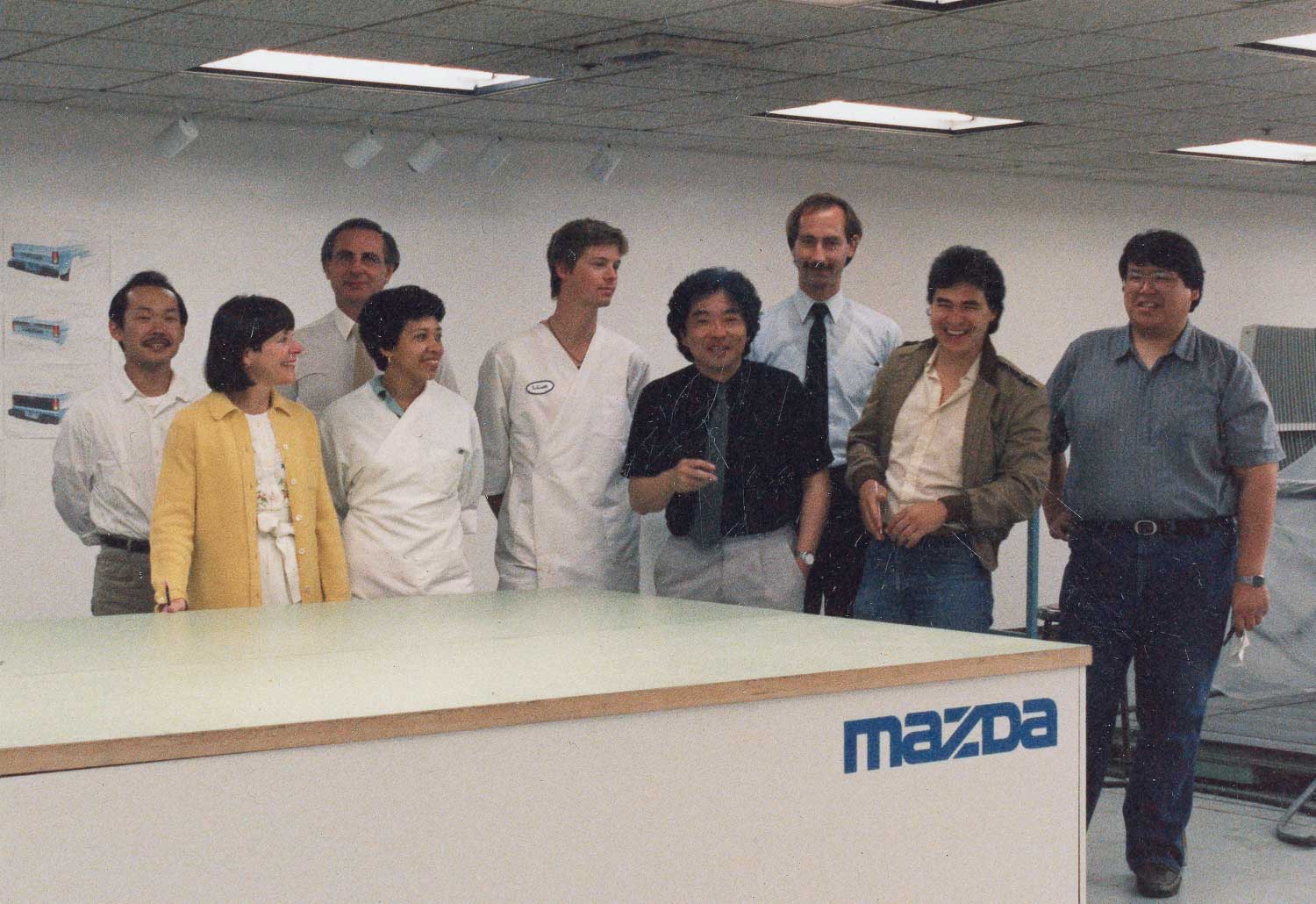
Photos courtesy of Mark Jordan
Great tribute.
Great to have worked with him and his great team.
Thanks for the photos Mark.
Doug Raap
Great stories from Dick Ruzzin and Tom Semple about Tom Matano. Tom was a long time judge for the EyesOn Design. His design knowledge and background made him an excellent judge of design no matter which category he was assigned to. He will be missed at our future events.
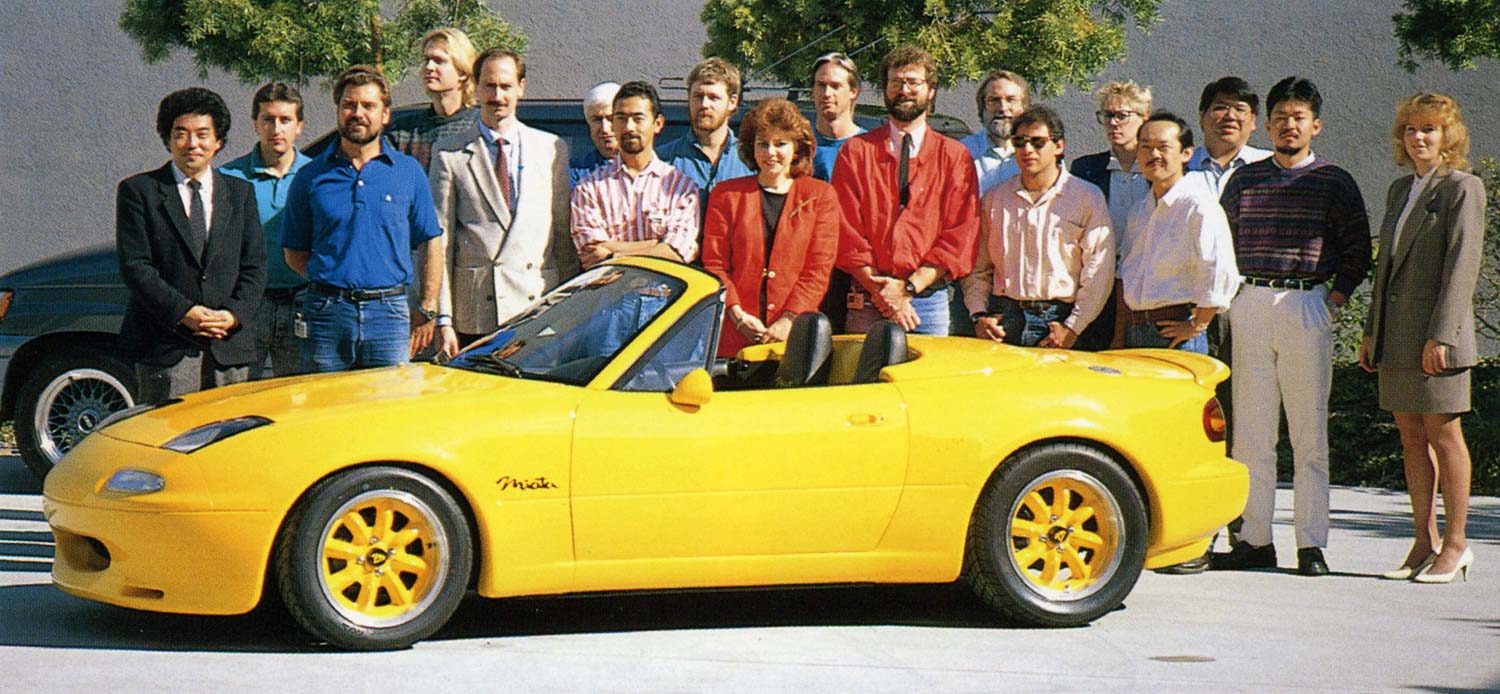
While I have never been mentioned in ANY Miata histories, nor included in presentations where folks come in and speak to throngs, I knew Tom for many years. I worked with him at Mazda for nearly twenty years. This included early development of what we then referred to as “LWS” (or Light Weight Sports)… the Miata development name.
Contrary to online stories, this work began at what was then known as Mazda North America in Irvine, California. Only three buildings and years later did Mazda Research and Development (North America) division (MRA) begin.
While I was not a designer, I did successfully suggest several designs and systems for Mazda– and Miata. And product criteria. It was me who re-designed the clock & warning unit on the second-gen RX-7. My design appeared in 1988 and could indeed finally be viewed with the sunroof open. I designed other components and systems– unknown to anyone today.
My work with Mazda and Tom included the early development of the Miata, for which I was very much involved. I suggested the original criterias for the soft top, operation, maintenance and more. I also suggested including a tempered glass rear window on the folding top. While I was initially told this was impossible, my American-made design and operation was successfully produced and cycle-tested BEFORE appearing on Miata. My fully operational tempered glass window top was sent to Japan FROM MRA on the 2nd-gen Miata mock-up. Unfortunately… a…uh… different version… was “adopted”… for final production.
By the way, I had owned and collected and worked on over a hundred convertibles in my life and was the ONLY person in the Miata development with deep expertise on convertibles. I owned twelve convertibles at that time and drove different ones to work. These ranged from my 1970 Dodge Challenger to a 1966 Cadillac Eldorado to a 1964 Olds Starfire to a 1956 Packard Caribbean. I bought a new Fiat 124 Sport Spider in 1969 and tricked it out. My collection further included a FIAT Dino Spider and other convertibles. I also had part ownership in a SoCal trim shop. It was me who successfully suggested the top operation, fabric design, texture, grain AND the zip-out rear window. It was also me who suggested adopting a tonneau cover as an accessory.
I wrote the original glossary and service specifications for the Miata and was asked personally by T. Hirai (he was in charge of Miata engineering) to join the FACTORY development team. I wrote much and most of the manuals for Miata, including the Owner’s Manual. I also did extensive test driving in the Miata both in the USA and at Myoshi, Japan. As the ONLY member of the development team with production line experience (on Ford’s original Mustang) I was invited (by Mr. Hirai) to walk the first five Miatas down the assembly line in Hiroshima.
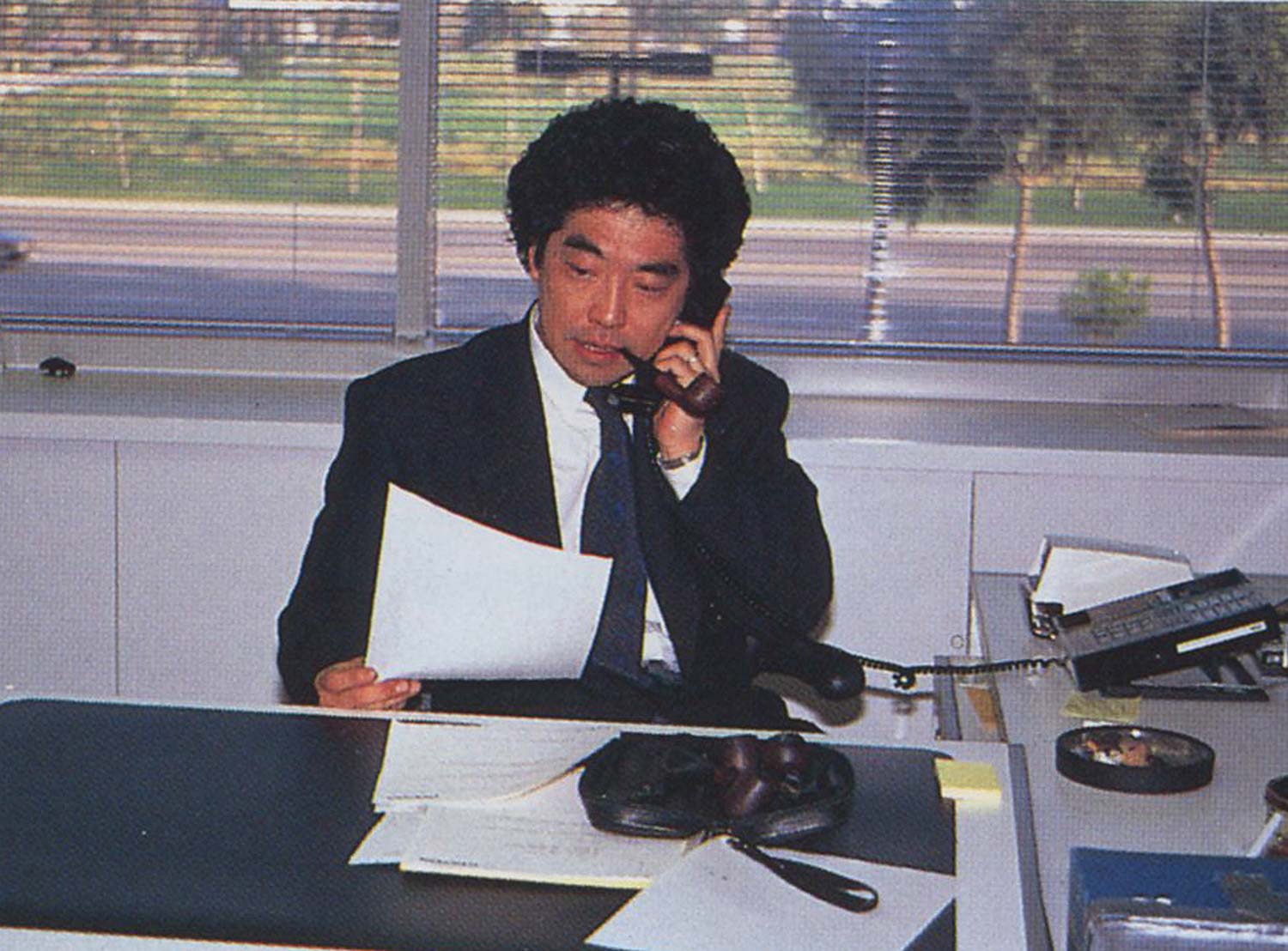
Tom and I worked together at Mazda (North America) and Mazda Research & Development (North America) for nearly twenty years. Tom had a great sense of humor. In my early days with Mazda, Tom would call me mornings on our office phones and say, “This is your morning wake-up call!” We did a lot of joking around and occasionally hung out.
Many of Tom’s ideas went into the Mazda R&D building which was built during our time there. Among these ideas was the notion to mount plain white fiberglass partial body mold plugs high on the walls in the lobby of that building. The Miata had not yet been released. So it was an inside joke when press people and others would beg to know what the car was going to look like. The whole time, people never realized that the “art” hanging above their heads in the lobby was actually the Miata!
Tom and I visited a couple of years ago in San Francisco when I was attending the Packard Club National Meet. Tom arranged for the Packard Club to visit classic cars in the collection of the design school. We took photos together, which, of course I still have.
One of our last activities together WHILE Tom and I were both still at Mazda was a special luncheon for design great, Strother MacMinn. He was a hero to both of us. Tom knew of a restaurant not far from our offices at Mazda R&D that had interesting lunch “auctions.” These festivities involved female models in lingerie and heels who auctioned the outfits they modeled. Tom and I both had philosophies about the the art of the female form and how it related to a nicely designed automotive 3/4 rear view. We chipped in together and treated Strother to one of these super luncheons! We all had great fun.
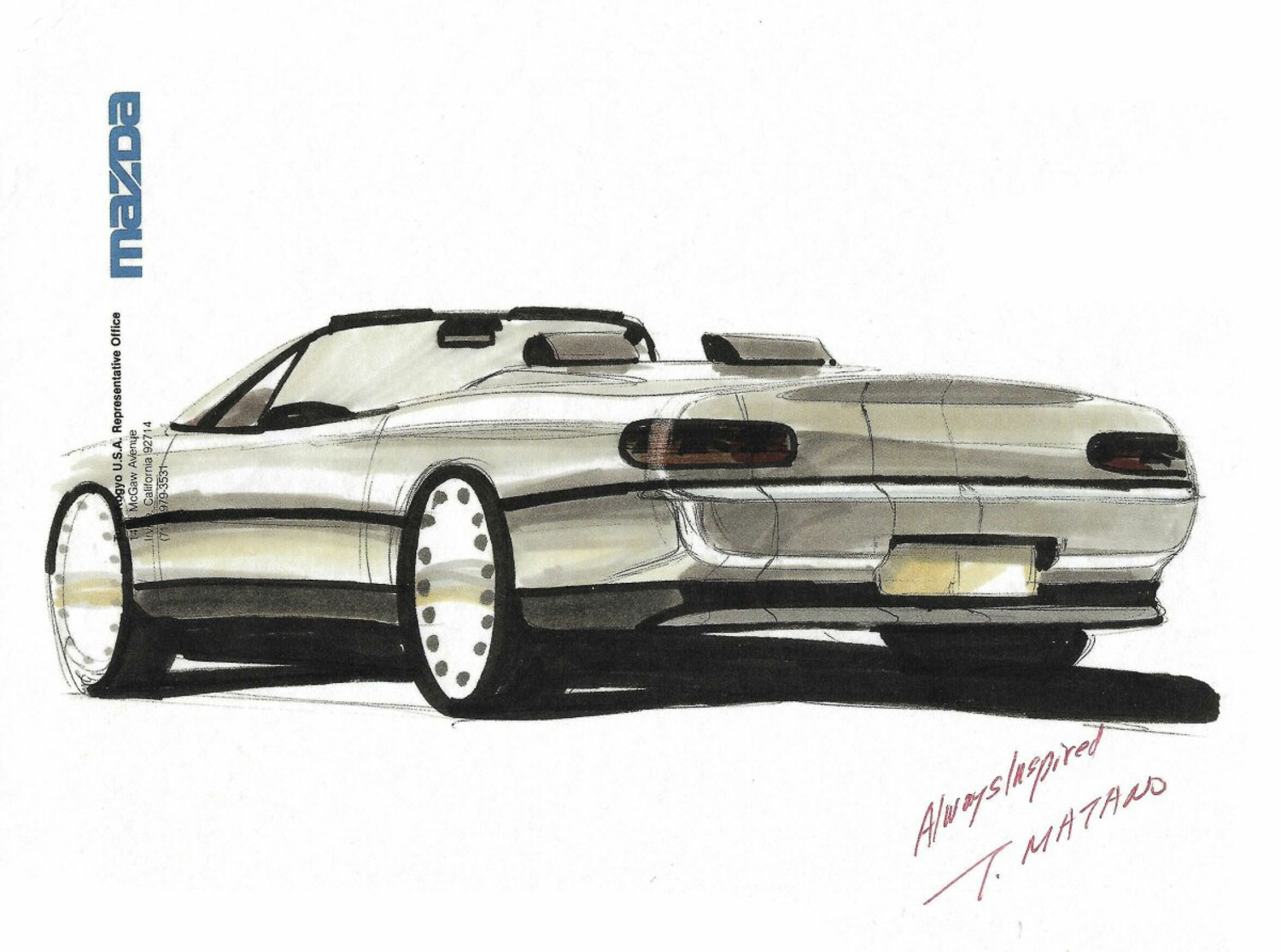
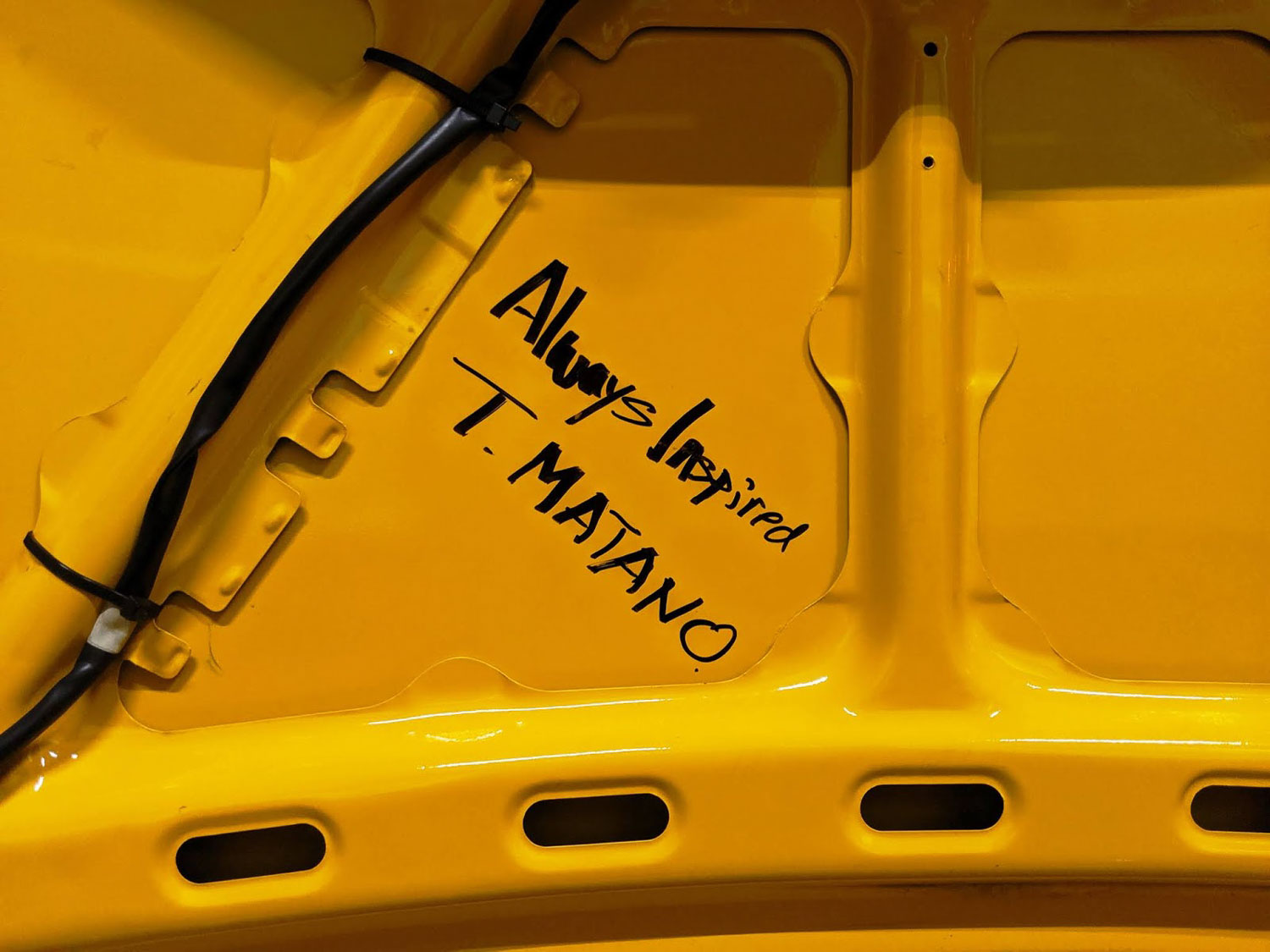
Tom also owned (among others) a rare Italian De Tomaso Vallelunga sports car in addition to a very tricked-out Miata. Via my friends at Robbins Auto Top in the convertible biz, I got Tom a specially-made GRAY color soft top for his Miata. Tom absolutely loved automobiles and automotive design. His favorite slogan was “Always Inspired”
I will miss Tom. See you on the other side, buddy…
Leon Dixon
(Former Senior Technical Writer, Project Manager and Lead Engineer for North America)
I did not work with Tom, but I knew him at GM. I was among 2 other X/19 Fiat owners in 1974. Those were really fun cars, not fast but felt like it because they were small and low . When the Miata came out, GM bought one and I had a chance to take it home for the weekend. I had always liked small sports cars and was amazed at the perfection of driving experience. I finally bought a low milage 1997, last year of of Gen 1. I would make up excuses to go out for a drive; it was so fun and easy to drive; the sound, the easy top operation, the terrific clutch and shift feel!!! I recently drove a new one, and it is still perfection. Thank you Tom. A wonderful story about my favorite car, and a great guy.